


주 메뉴

리컨버전Reconversion
톰 앤더슨
- Portugal
- 2012
- 65min
- HD
- color
Synopsis
톰 앤더슨의 <리컨버전>은 포르투칼의 건축가 에드아르도 소투 드 모라의 건축세계를 소재로 한 영화다. 건축계의 노벨상이라고 불리는 프리츠커상을 수상한 에드아르도의 대표적 건축물들이 소개되는 가운데, 건축가 자신이 직접 내레이션을 맡아 자신의 작품 세계를 설명한다. 이 영화에서 톰 앤더슨은 단순히 위대한 건축가의 작품 세계를 소개하는데 그치지 않고, 이를 자신의 작품 세계와 조응시키고 있다. <리컨버전>에서 가장 두드러진 특징은 타임랩스 (Time Lapse) 기법의 활용이다. 타임랩스 기법은 1초에 한두 개의 프레임만을 촬영하는 기법으로 주로 천체의 움직임을 관찰하거나 고층 빌딩의 건축과정 혹은 대형 선박의 건조과정을 기록하는데 사용된다. 타입랩스 기법을 폭넓게 사용한 <리컨버전>의 영상은 초당 24프레임으로 촬영된 일반 영화들에 비해 불연속적이고 부자연스러워 보이는 것이 사실이다. 그렇다면 왜 톰 앤더슨은 이런 기법을 선택한 것일까? 톰 앤더슨이 1974 년 <에드워드 마이브리지, 주파라소그래퍼>라는 작품을 연출했다는 사실과 그의 전작들이 영화라는 매체 자체에 대한 질문들을 담고 있었다는 사실을 떠올려본다면, <리컨버전> 에 사용된 타임랩스 기법은 에티엔 쥘 마레이나 에드워드 마이브리지의 연속사진과 같은 영화의 기원에 대한 탐색이라는 의미를 담고 있다고 설명할 수 있을 것이다. 더불어, 타임랩스 기법은 시간을 응축시켜 표현할 수 있다는 점에서 이 영화의 소재로 선택된 돌, 건물, 폐허 등을 표현하기에 매우 적합한 기법이라 할 수 있다. 한 조각의 돌, 하나의 건물은 한 인간 개체가 경험 가능한 것과는 다른 시간 속에 존재한다고 할 수 있다. 따라서 초당 한두 개의 프레임으로 촬영된 영상들을 모아 응축된 시간의 결정체로서 한 편의 영화를 구축해나가는 톰 앤더슨의 작업은 수십만 년 혹은 수백만 년 전에 형성된 돌을 모아 단단한 구조물을 완성해나가는 건축가의 작업과 다르지 않다고 할 수 있다. (김이석)
Director
-
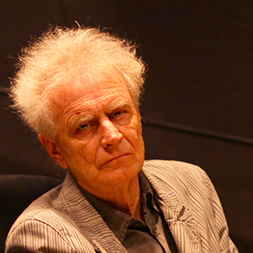
톰 앤더슨Thom Anderson
A Train Arrives at the Station (2016)
California Sun (2015)
The Tony Longo Trilogy (2014)
Reconversão (2012)
The Thoughts That Once We Had is a personal history of cinema, partly inspired by Gilles Deleuze’s The Movement-Image and The Time-Image (quotations from these books appear intermittently) and partly by my discovery of the classic Hollywood musical comedy, occasioned by a That’s Entertainment marathon on Turner Classic Movies the night of December 31, 2013-January 1, 2014. Perhaps little of these inspirations remain in the film, but it is certainly a personal history of cinema. Of course, many others are possible, and anyone’s history is as valid as mine.
A working title was “Great Moments in the History of Cinema,” but the movie outgrew this title. It became more ambitious. It found a form that satisfied me.
The title is not meant to imply that cinema is dead. On the contrary: all art today aspires to the condition of cinema. Instead, the title suggests that moving images and sounds are thoughts in themselves because motion pictures are not perceived, they are remembered.
The Thoughts That Once We Had tells more than I know, although I learned a number of material facts about cinema and my relation to cinema while making it: few film-makers are capable of making what Deleuze calls an “affection-image,” an image that imprints the face as a pure affect; the melody of the gaze is also rare; the more grounded the camera, the better (what Joris Ivens taught); a shot from The Eleventh Year by Dziga Vertov anticipates Wavelength; reading aloud is the most cinematic of all actions; my interest in cinema is more carnal than I realized; what interests the camera is not a given, but something the camera discovers anew for every shot. Other thoughts will be given to other viewers.
This may all sound a bit formidable, but I also intended to bring a touch of American vulgarity to the so-called “essay film.” The movie was not calculated to drive liberals crazy; it just turned out that way
Credit
- ProducerDario OLIVEIRA
- Cinematography Peter Bo RAPPMUND
- Music Adam R. LEVINE, Christine CHANG, GNR
- Sound Christine CHANG
PRODUCTION COMPANY & WORLD SALES
PRODUCTION COMPANY & WORLD SALES Curtas Metragens CRL
Tel 351 252 646683
E-mail agencia@curtas.pt