SYNOPSIS
If Mom had been able to hear well, would I still have fallen in love with cinema?" I used to feel ashamed of the strange speech patterns and facial expressions that surfaced only when communicating with my mother. Cinema was the new language I chose to break free from her will and claim my independence. Using film as my reason, I stopped acting as her surrogate, and only then did her world slowly come into view. Yet, our communication remains trapped in a cycle of misunderstandings and missed connections.
REVIEW
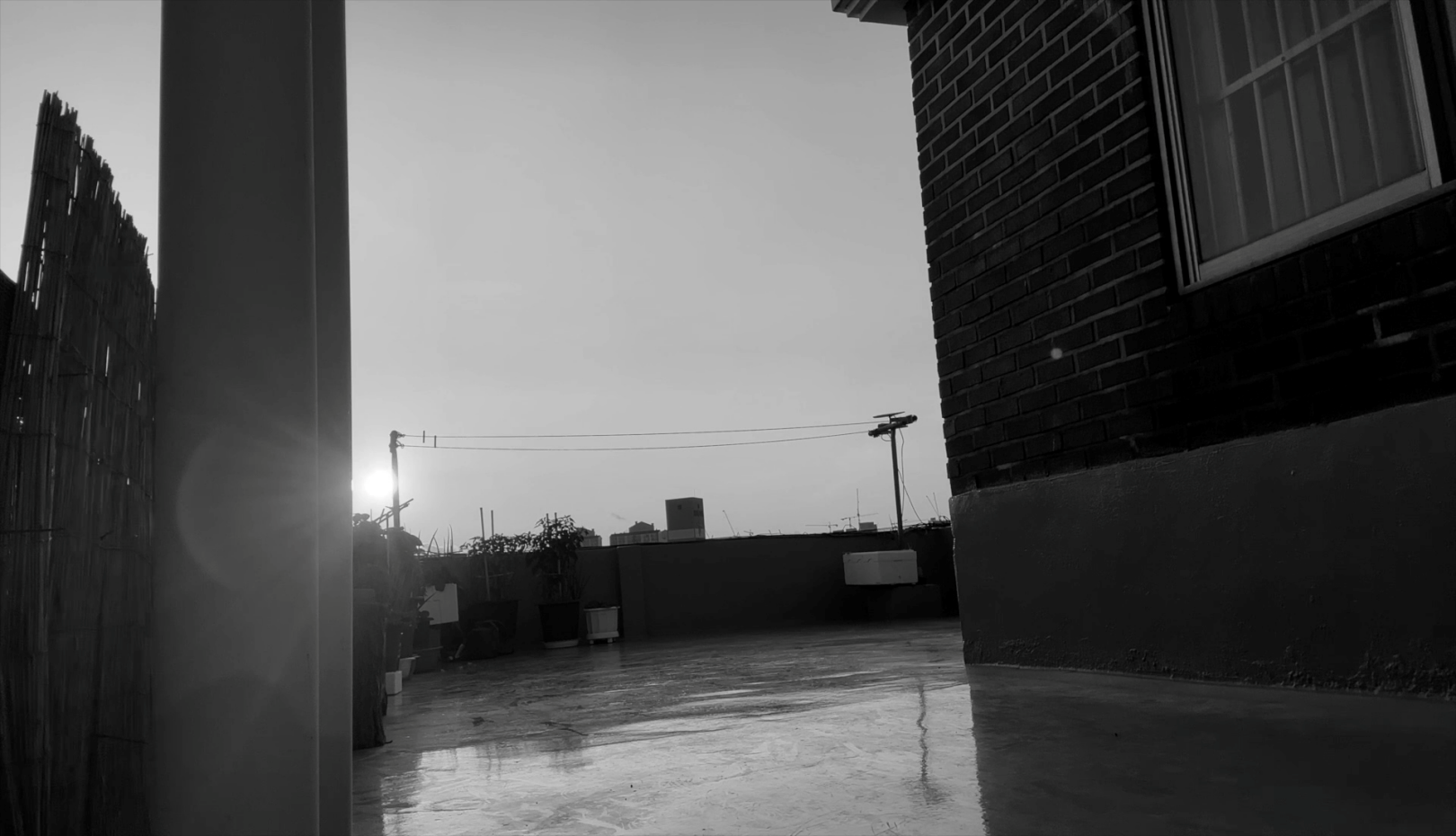
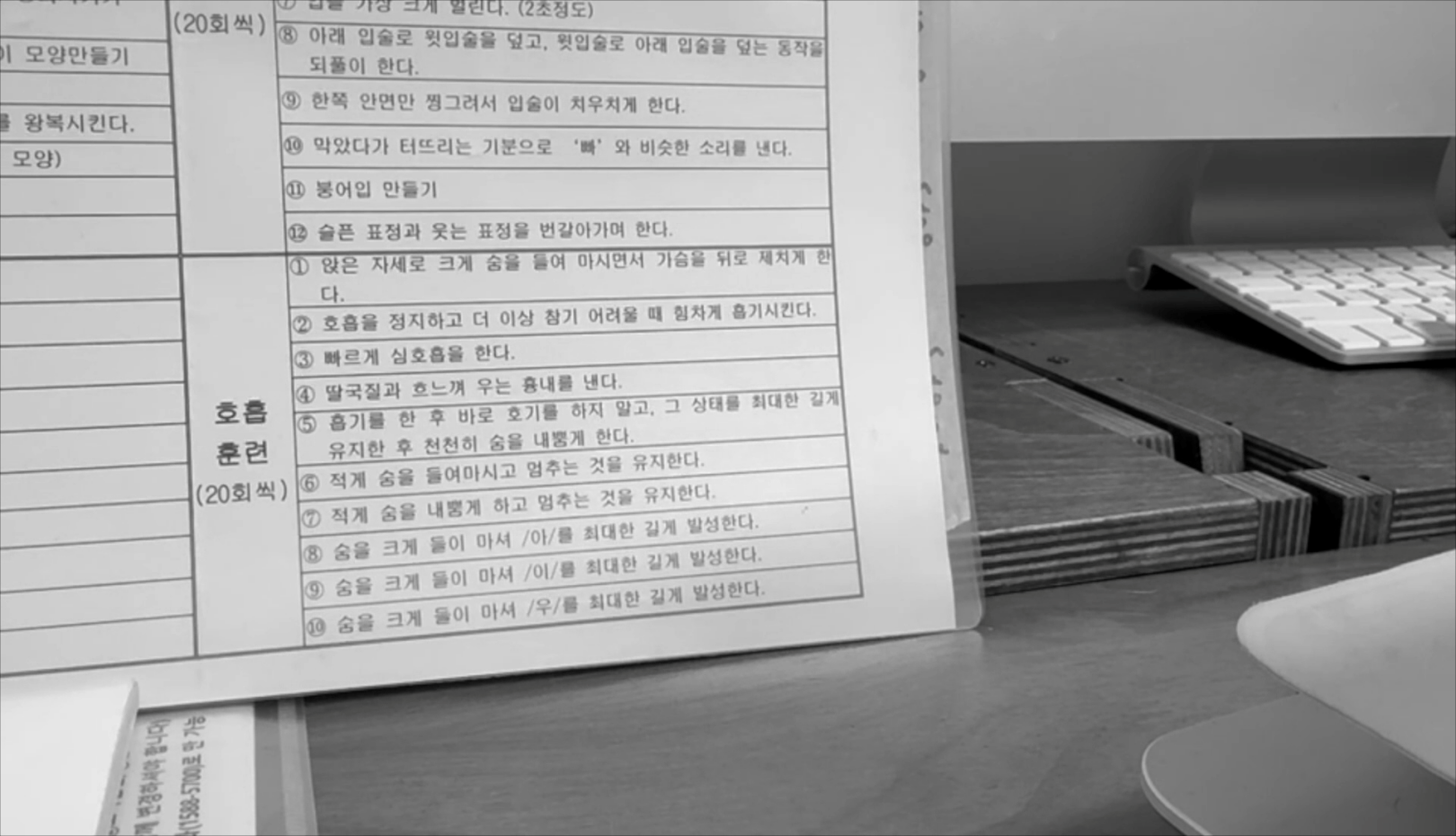
Da Don Ta is a personal documentary centered on the relationship between a mother with a disability and the daughter who cares for her. The title borrows the sound the mother makes when she pronounces the Korean word for “car.” Apart from a recurring fixed angle shot from the floor of a rooftop, the camera stays close, holding on the mother’s speech and expressions.
That remarkable proximity captures the misunderstanding, failed communication, and reconciliation that arise as the two struggle to reach one another. What emerges is not only the sense of distance the filmmaker must have felt, but the difficulty of communication that produces rupture, and the strange discrepancy between word and gesture that arises from constraints on expression. The finished film appears to include scenes in which feelings toward the mother could not be clearly articulated, or which the filmmaker may not have wished to record. These are the moments that offer the deepest insight into what responsibility within care actually means.
DIRECTOR'S NOTE
A time when we cannot part, bound by persistent remorse and guilt, yet struggle to find our own separate paths. Under the pretext of making a film, I document my mother’s world.
CONTACT
HAN Sori | HAN Sori | onesound__@naver.com