


18th DMZ International Documentary Film Festival2026.9.10—16
주 메뉴
San Clemente
SYNOPSIS
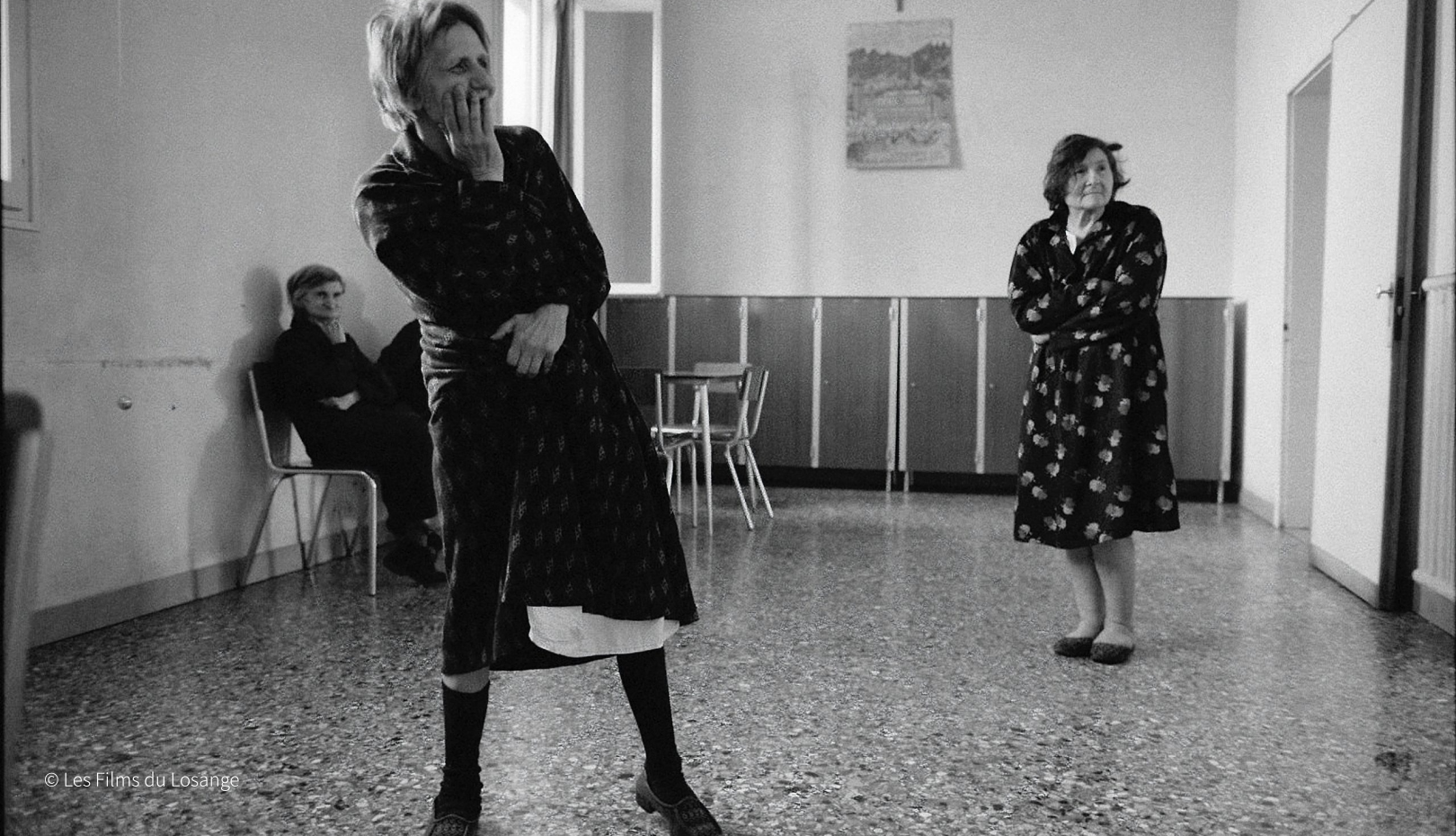
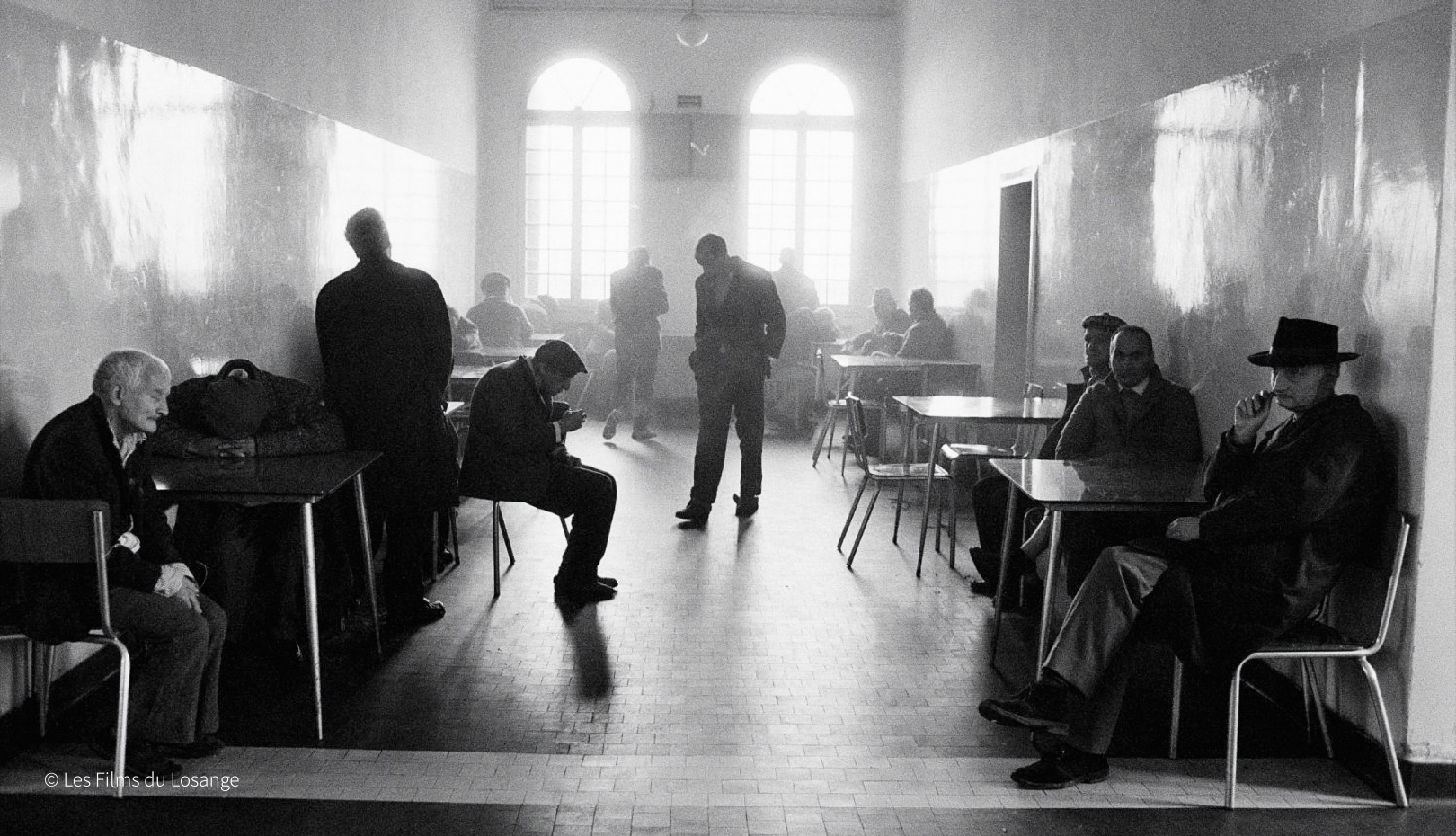
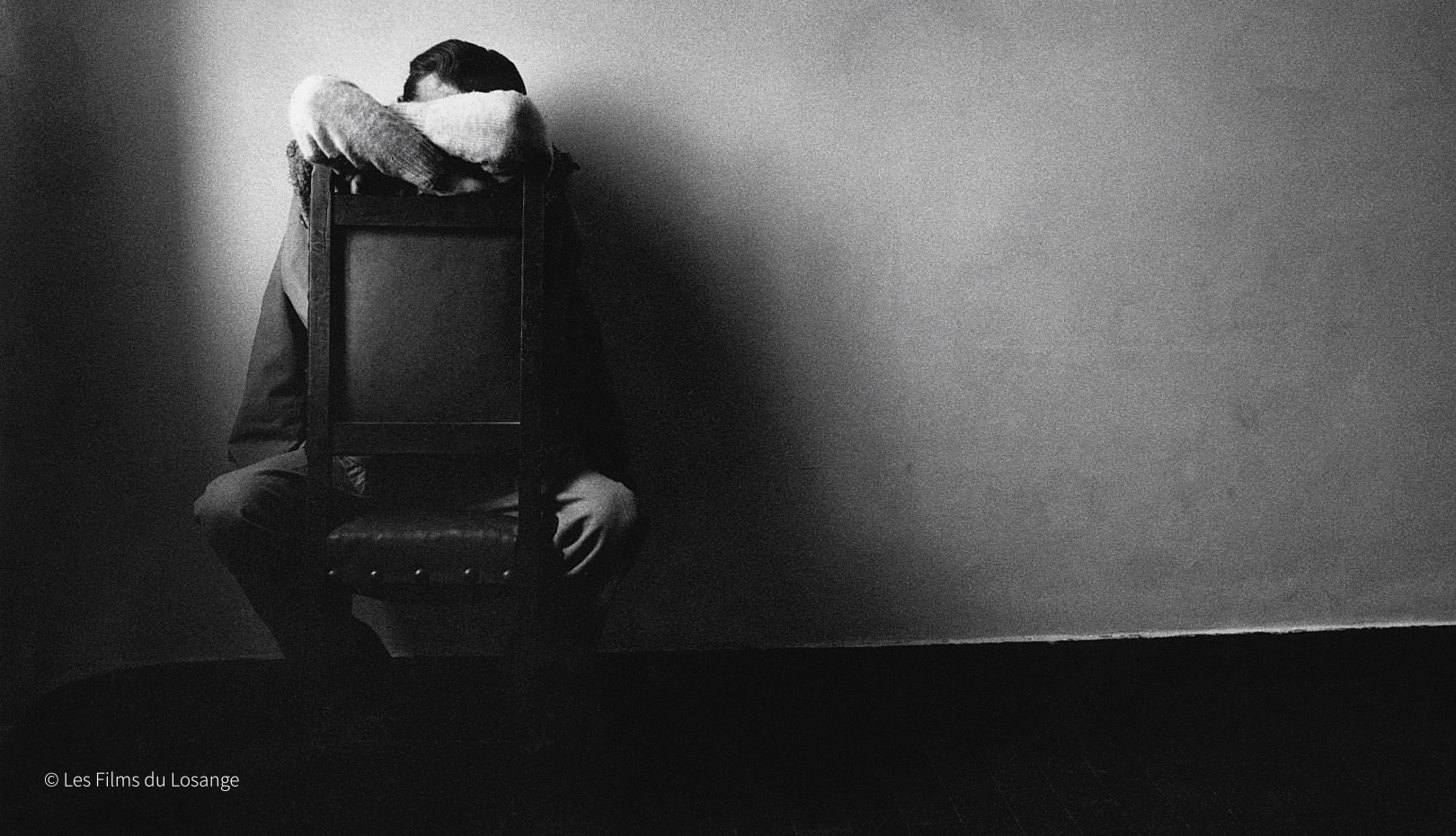
On the island of San Clemente, in a psychiatric hospital off the coast of Venice, patients live with a sense of freedom. The hospital is under threat of closure… A moving journey into the heart of madness.
DIRECTOR
Raymond DEPARDON
Born in France in 1942, Raymond Depardon has worked as a photographer and filmmaker since the early 1960s and co-founded a press agency. Through his boundary-defying photographic and cinematic work, he has documented major events around the world and captured the lives of human societies, from Africa to rural France. Since the 1980s, he has worked closely with his life and creative partner, Claudine Nougaret, who has contributed to most of his films as a producer and sound engineer. (Photo: Raymond Depardon)
Highlight Video


-
이전 영화
-
다음 영화
기자들
Reporters