SYNOPSIS
My grandmother has grown old, and so has her house. Having no memories of my maternal grandmother, I decide to help my grandmother move. What begins as a simple act of helping someone in need gradually stirs conflicting feelings in me. Why, as a child, did I try to hide myself? I look back on the dreams I had during the years when I wandered, questioning where I came from and where I belonged.
REVIEW
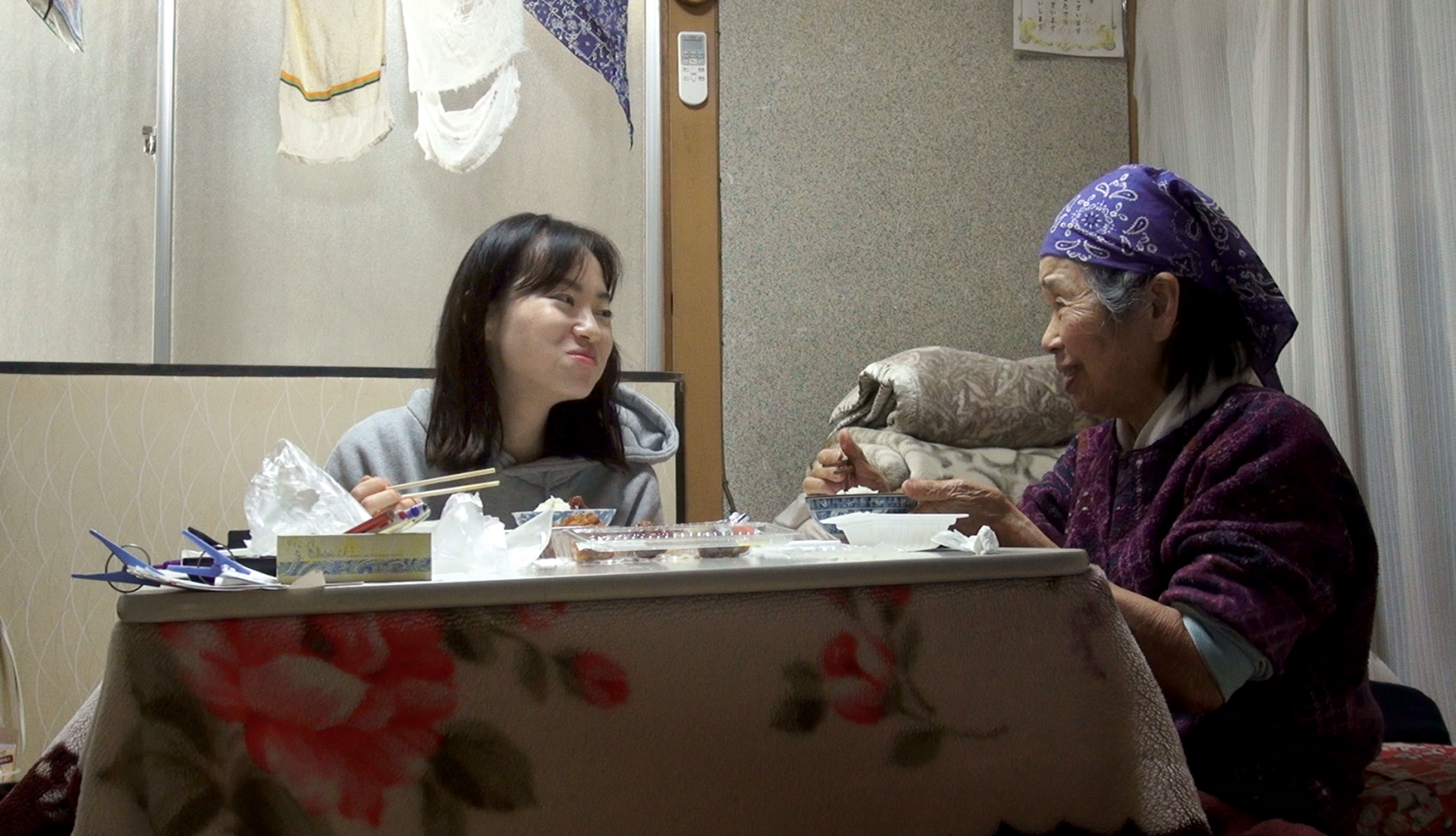
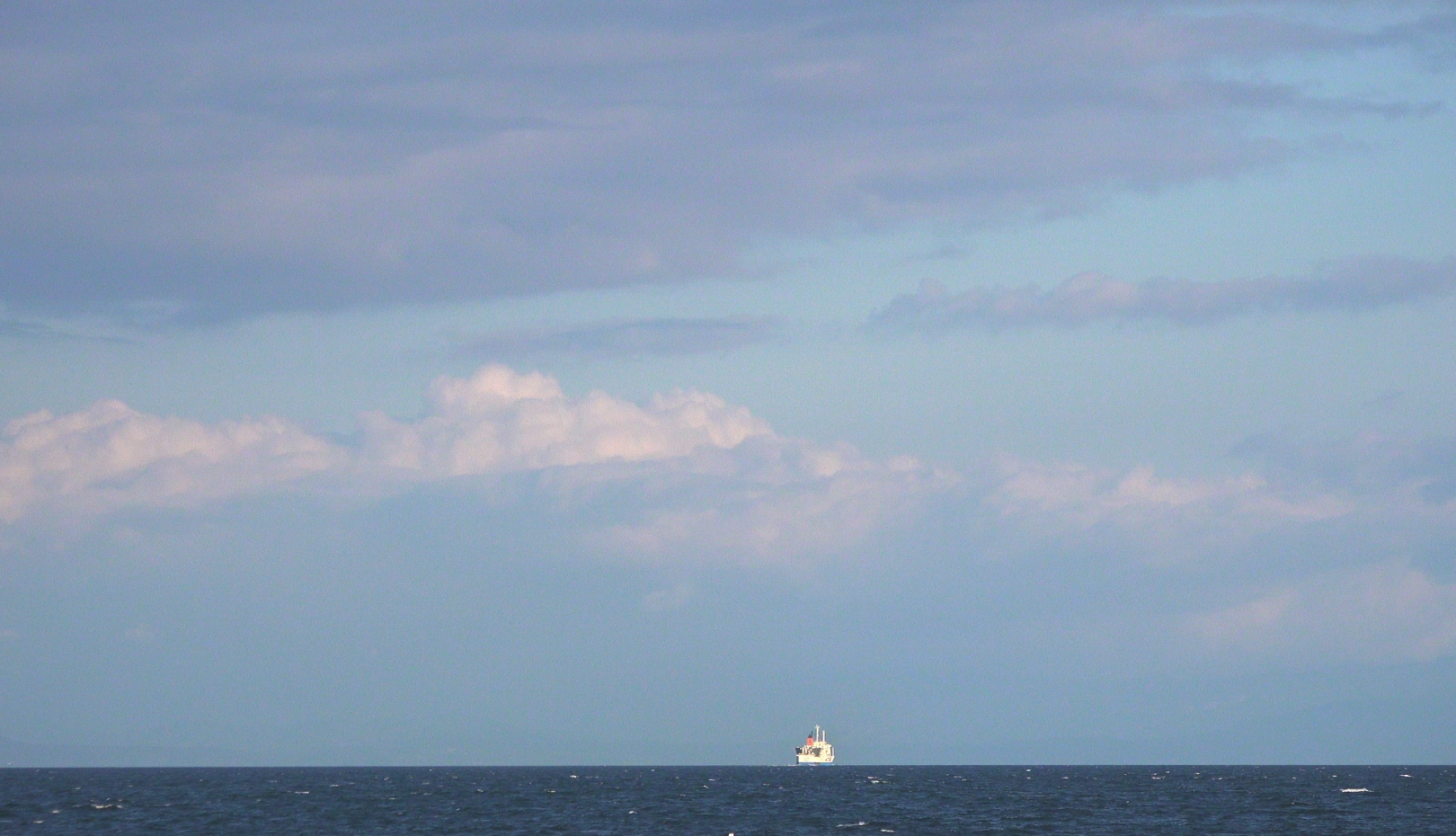
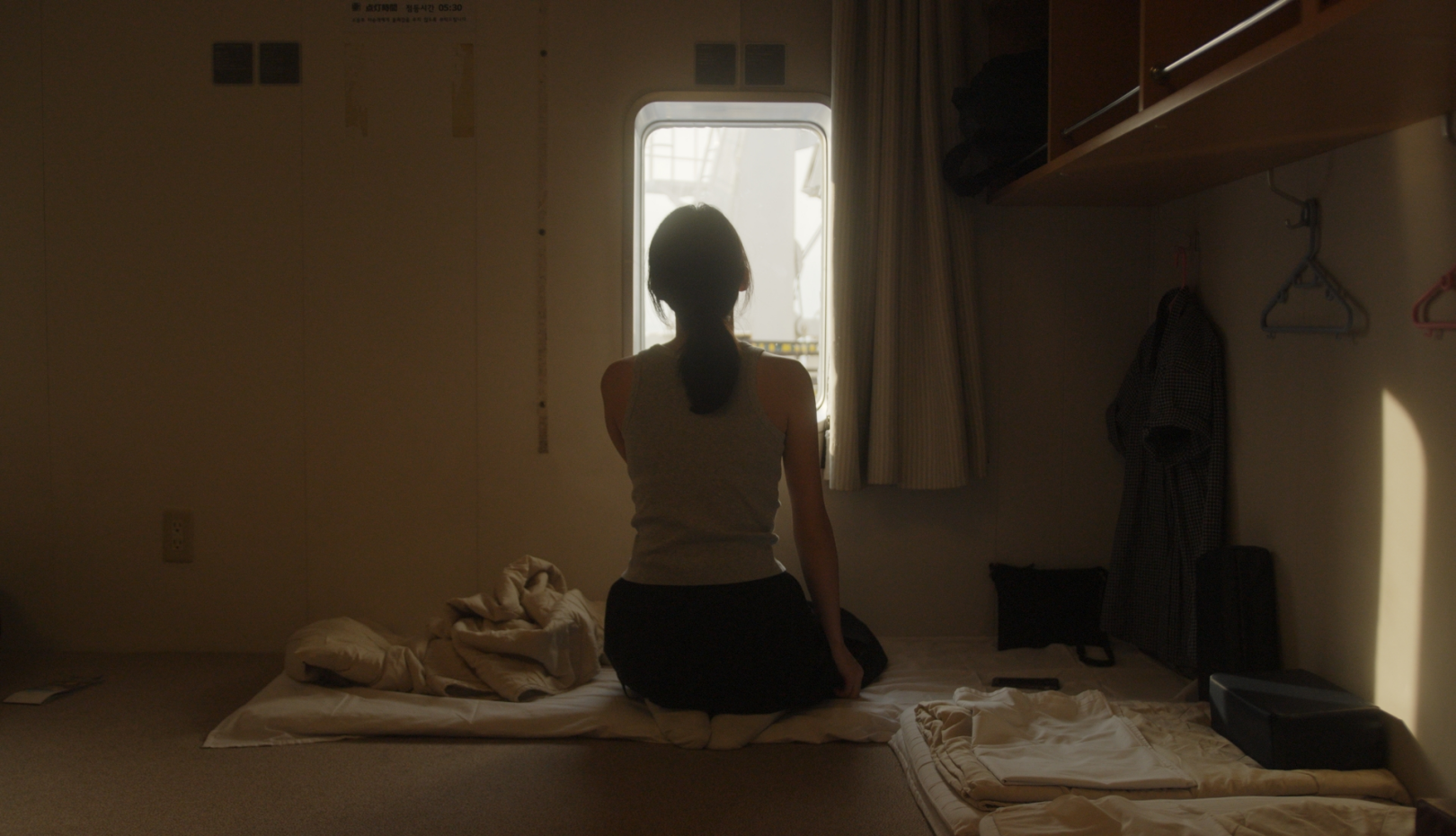
Born to a Japanese mother and a Korean father, the director turns to her own family history in this autobiographical essay documentary. The film begins with her journey across the sea to visit her maternal grandmother in Japan. Bringing together a school on the verge of disappearing, a house soon to be demolished, and a grandmother whose memory is gradually fading, the film delicately explores the relationship between place, the body, and identity.
Certain memories have remained deeply lodged within her: being bullied for being Korean at a school in Japan, the unease she felt while learning about Japan’s colonial rule at a school in Korea, and the confusion of living between her two names, Sohyun and Motomi. As she begins to confront the Japanese side of her family history—and the part of herself she once tried to turn away from—she asks her grandmother to come and live with her in Korea. Later, she returns to visit her grandmother with her mother.
Yet rebuilding the bonds among grandmother, mother, and daughter proves far from easy. As her grandmother’s memory deteriorates, she begins to confuse the director’s name, while the director unleashes years of pent-up anger toward her mother over the wounds of her childhood. Hydrangea does not reduce the search for identity to a romantic narrative culminating in familial reconciliation. Instead, it traces a difficult process of moving through conflict, confrontation, and faltering conversations in order to understand one another’s memories and piece together a new sense of self. Following the intimate history of one family, the film quietly reveals the wounds that history has left on those who have lived between Korea and Japan.
DIRECTOR'S NOTE
Grandmother’s memories are gradually fading, while I cannot erase the memories of my childhood. Between my grandmother and me lie the sea and my mother. With a camera in hand, I travel to the place where I was born, and then to the place where I grew up.
CONTACT
Hiroyama Park | Soha HIROYAMA-PARK | hiroyamapark@gmail.com