18th DMZ International Documentary Film Festival2026.9.10—16
주 메뉴
Each and Every World
South Korea202686minDCPColor/B&W12
World Premiere
SYNOPSIS
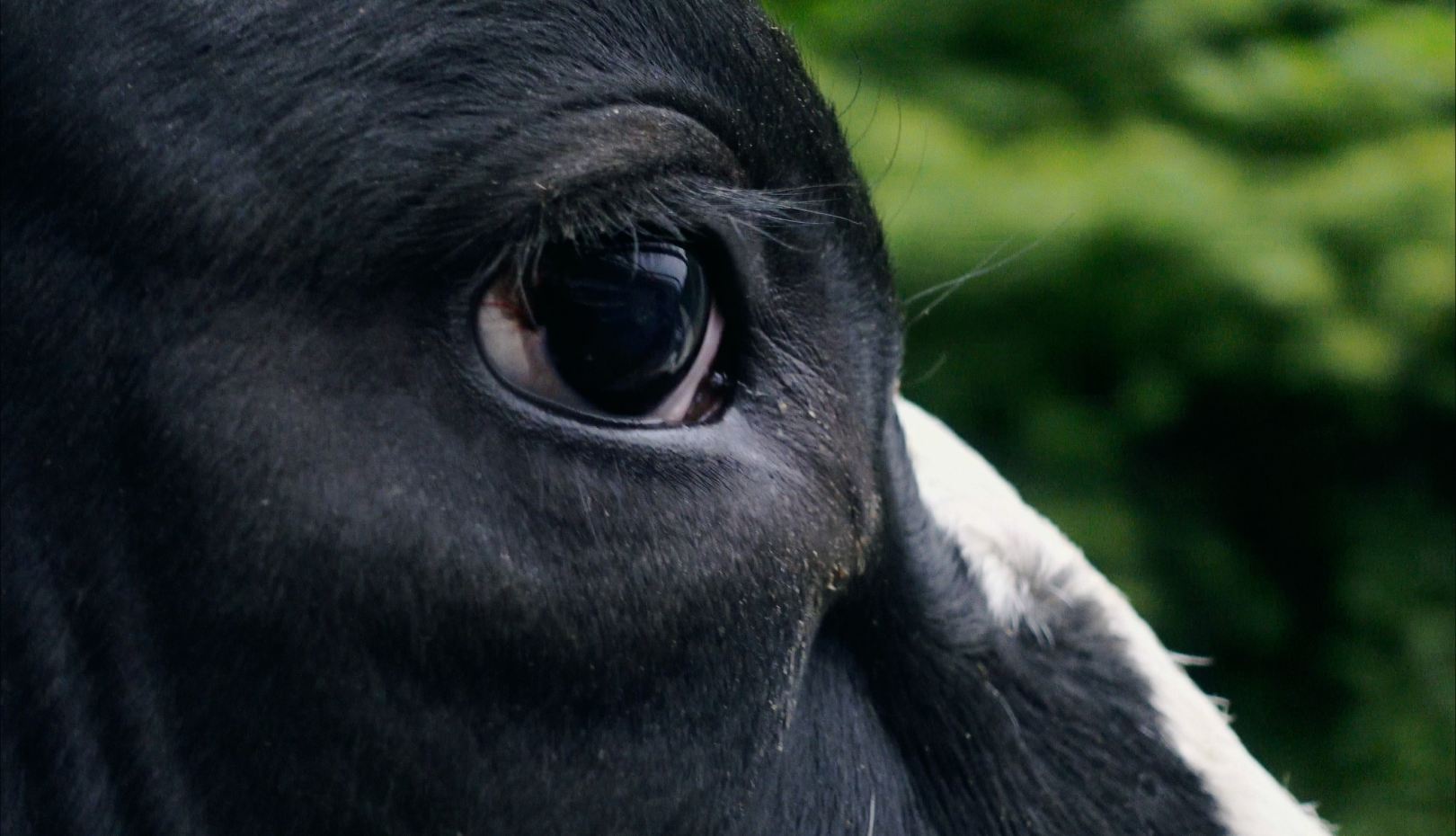
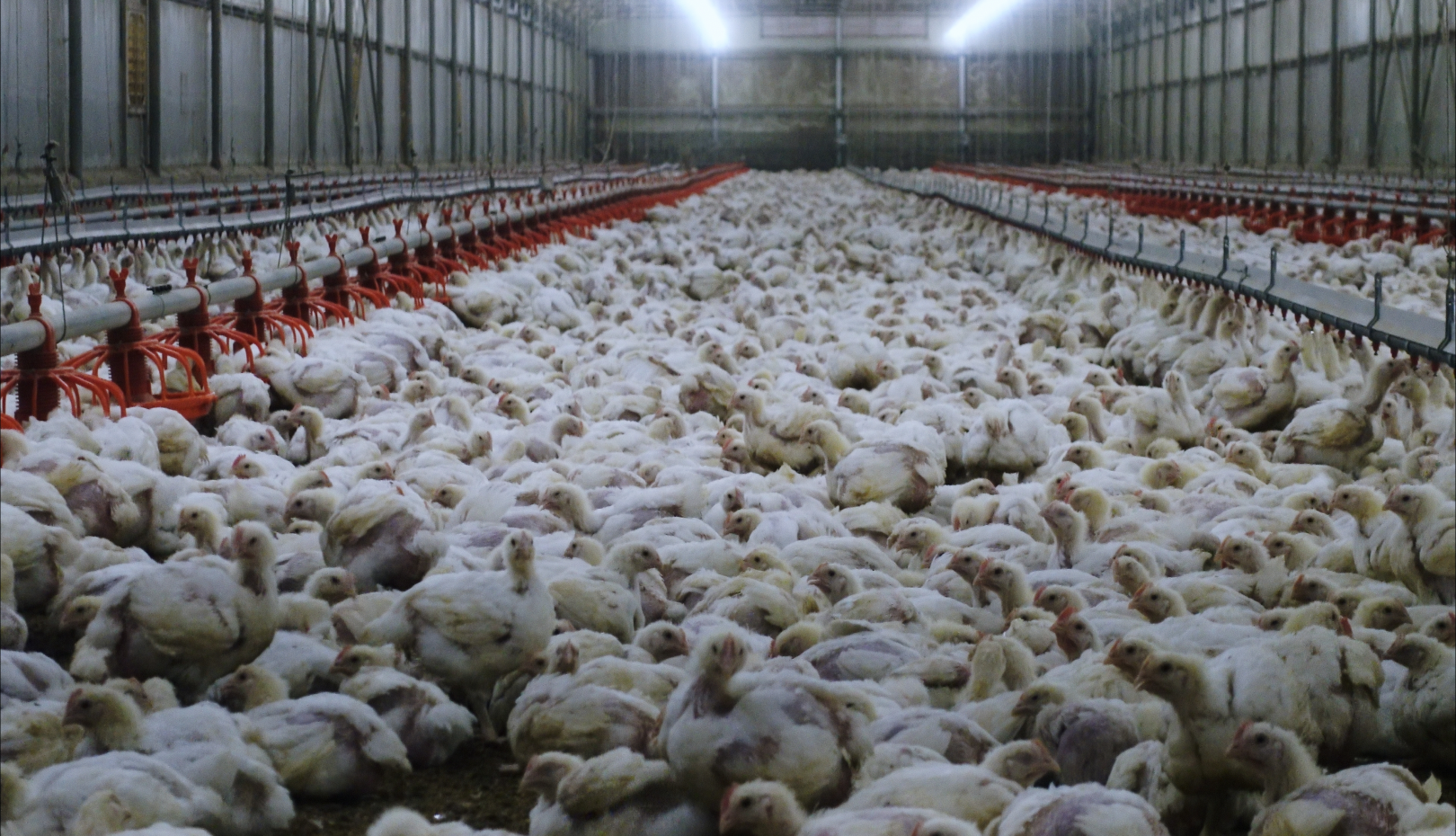
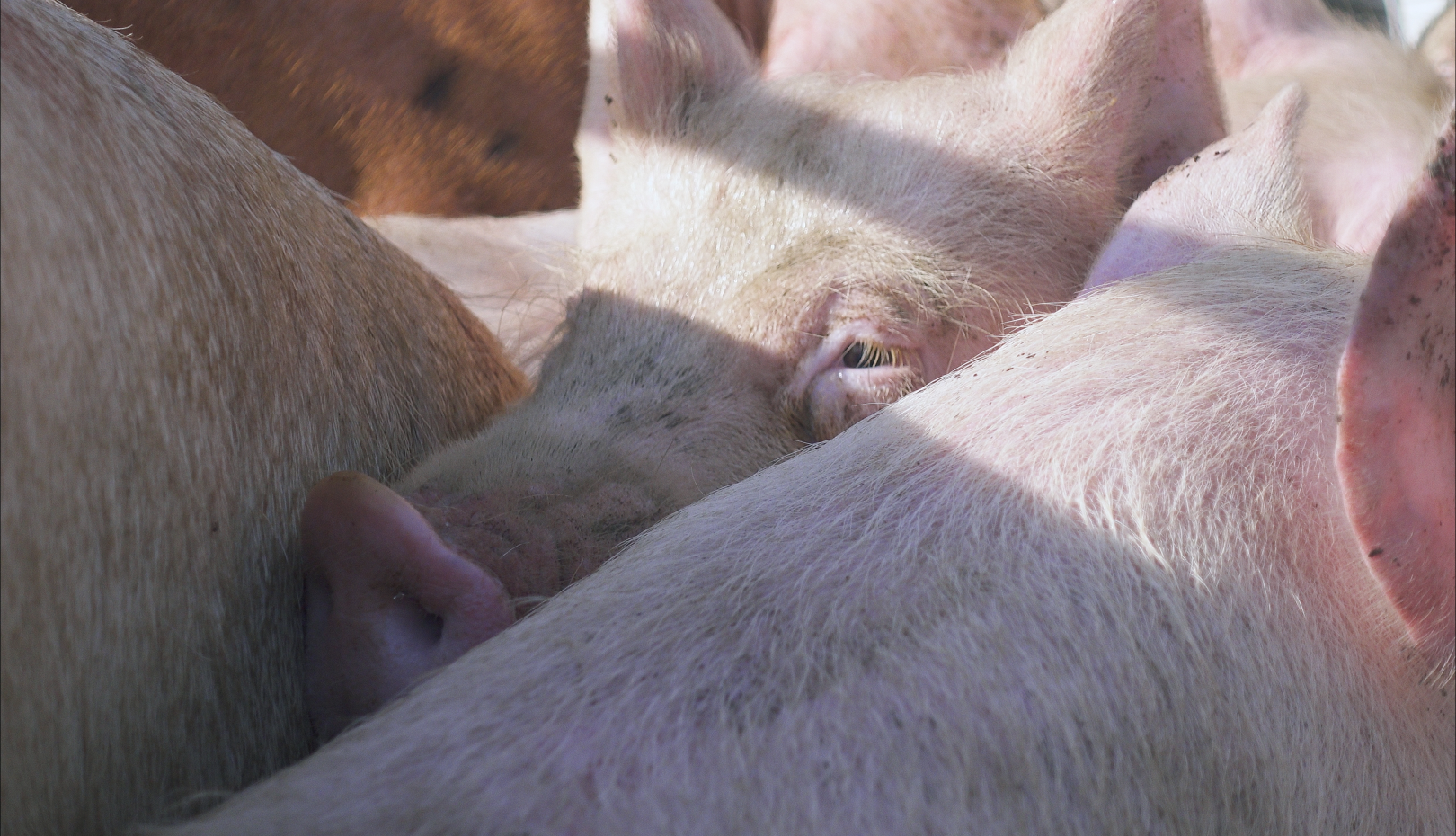
At four o'clock in the morning, we follow the journey of a cow named Murangol Spurr Petty No. 5611 as she is taken to slaughter. From there, we travel to sites across the livestock industry in different regions, encountering the animals at each stage and speaking with an animal rights activist about their lives and deaths.
DIRECTOR
JANG Yunmi
Born in 1984, Jang Yunmi is interested in documentary filmmaking both as a form of social activism and as a deeply personal mode of expression. Her works include Anxiety of Concrete (2017), Joys and Sorrows of Construction (2018), and Flag, Blue Sky, Party (2019), which received the Park Nam-ok Award at the Seoul International Women's Film Festival.
LEE Suyu
Born in 1985. Lee Suyu has directed short films portraying everyday life in villages and small towns, as well as Trees in Summer (2020), which explores personal memories and landscapes. The film received the Youth Jury Award at the Visions du Réel.