SYNOPSIS
Rising to fame with the viral phenomenon “Tiger Is Coming,” Leenalchi faces severe internal turmoil following the departure of multiple members. Unable to release a new album for five years and losing even longtime friends from the band, non-gugak leader Jang Young-gyu searches for a path between traditional Korean music and popular culture. As an international contract in the United States approaches, Leenalchi hastily recruits new members and begins a precarious journey toward the global stage.
REVIEW
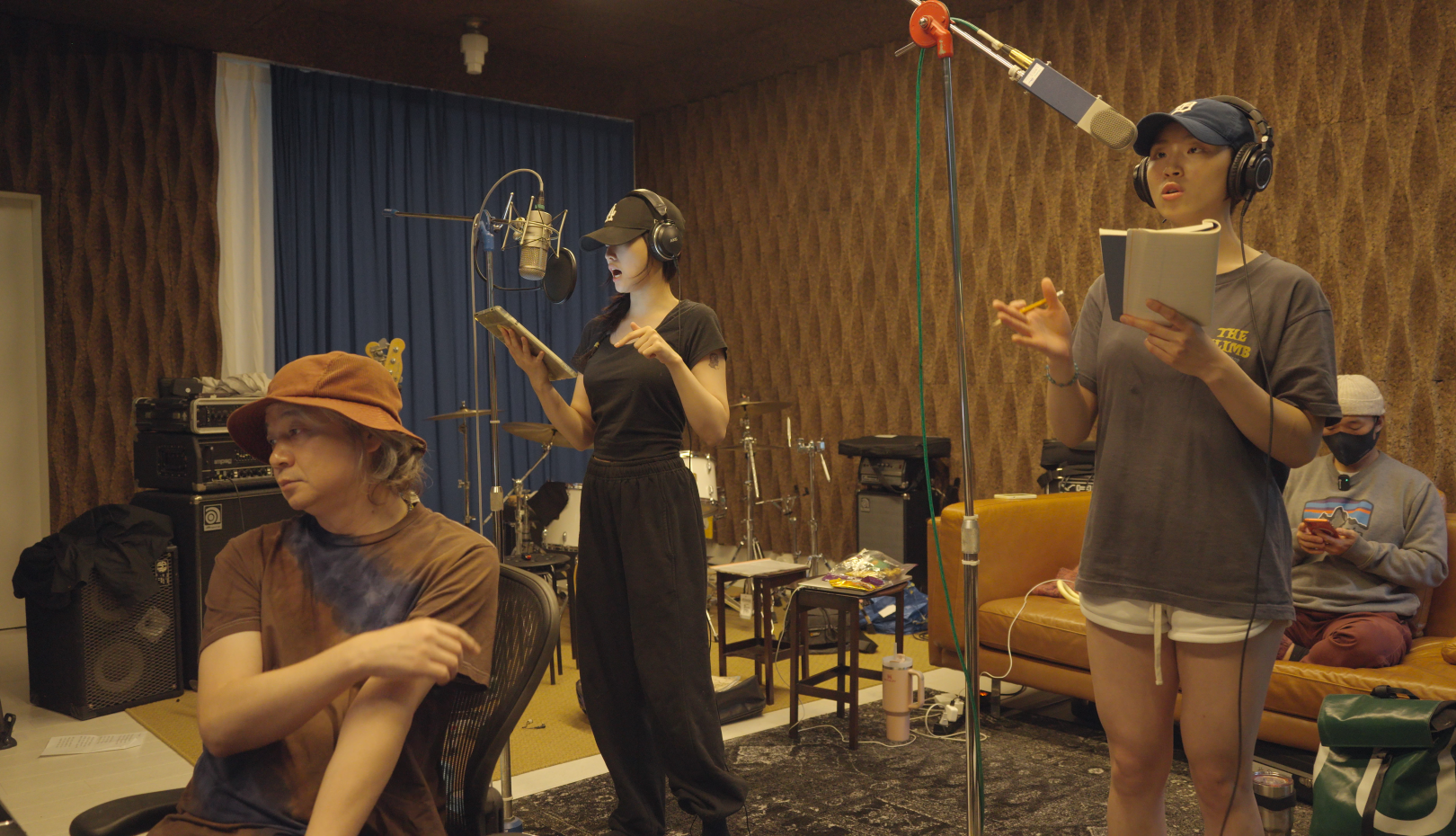
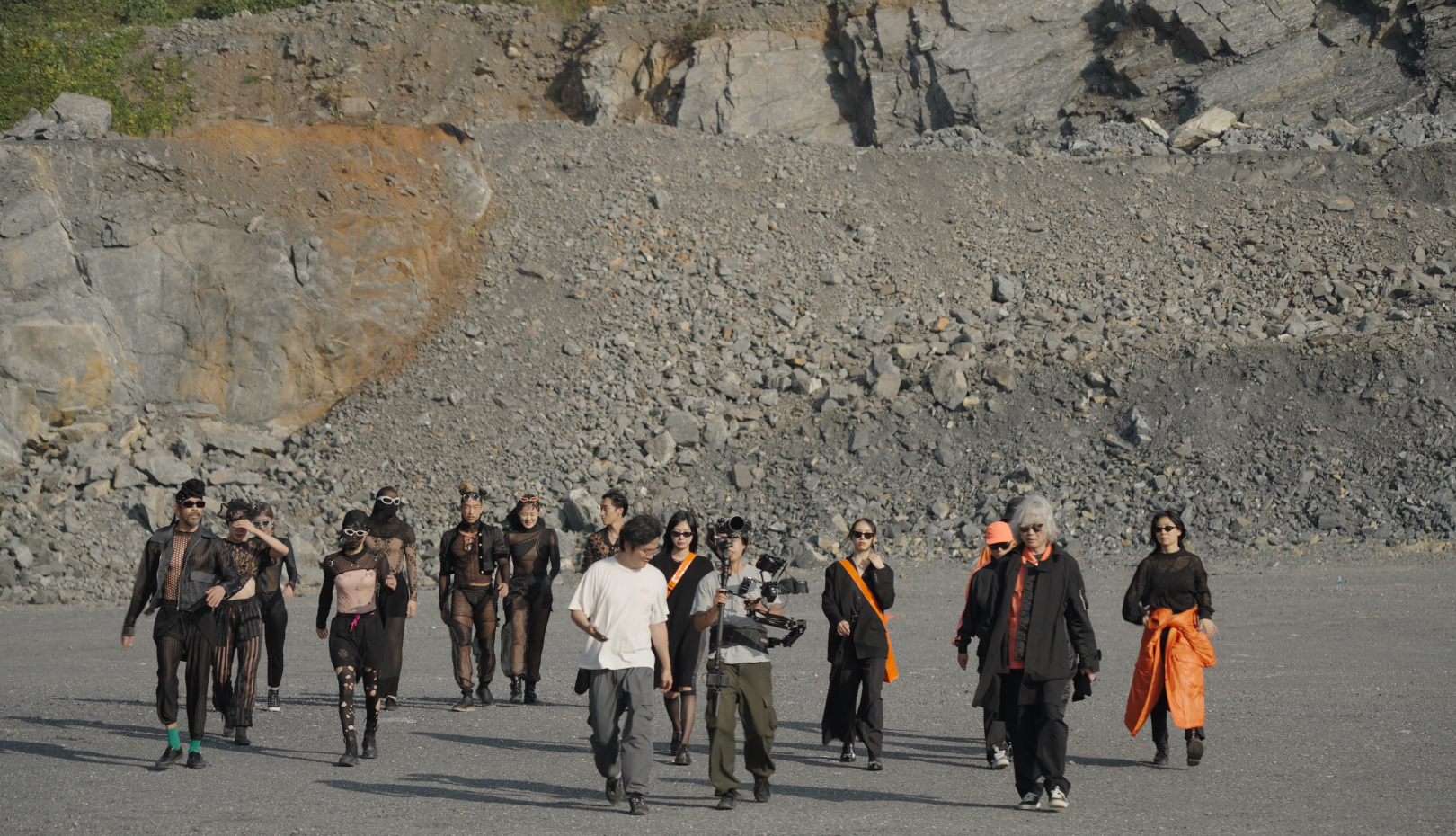
Leenalchi: The Birth of Tradi-Pop is a music documentary by Lee Byunghoon, a film composer whose credits include The Foul King (2000), Sympathy for Mr. Vengeance (2002), Sunny (2008), and The Yellow Sea (2010). It follows Leenalchi, the band that caused a sensation with its hybrid of Korean traditional music and pop. Opening like a concert film with the explosive hit “Tiger Is Coming,” the film turns from the band’s triumphs to the turbulent story behind them, structured around the repeated departures and returns of key members.
As the coined term “tradi-pop” suggests, the value the film draws from Leenalchi’s history is the union of tradition and modernity—an enduring ideal of artistic creation, the joining or harmonizing of the new and the old. Can the differences between producer and de facto leader Jang Young-gyu and the other members, along with conflicts arising from their individual circumstances, be overcome through the pleasure, freedom, and exhilaration of new music? Must the old be treated only as a custom to be discarded, and the new only as forward motion? These essentialist propositions extend beyond artistic creation into life itself. Leenalchi, whose members span multiple generations yet form a single organism, demonstrates no less.
DIRECTOR'S NOTE
Leenalchi is not merely a popular band, but a creative collective that has pioneered “tradi-pop” by reimagining traditional music in contemporary forms. This film documents their creative process, challenges, and system-building as a meaningful record for the future of contemporary Korean traditional music.
Focusing on conflict, departure, and reorganization as inherent realities of collective creation, the film takes a process-driven approach to observe how the band continues to create and evolve. Through their journey, the film aims to highlight the modernization of traditional arts, cultural diversity, and the cultural-industrial potential of contemporary Korean traditional music.
CONTACT
Cinema DAL | HONG Lina | festival@cinemadal.com