SYNOPSIS
The film is an elusive search for the traces of Lee Kyung-soo, a Korean War orphan adopted by a U.S. Navy officer. Lee’s image circulated widely across newspapers, magazines, and photographs, serving specific purposes and cultural narratives. Over time, these representations fractured, faded, and reemerged, leaving silences in the archive and gaps in visibility. Scattered fragments of information are pieced together to imagine the child’s unspoken point of view throughout his wandering life. (This film is screened with And the Moon Sets over the Temple That Was.)
REVIEW
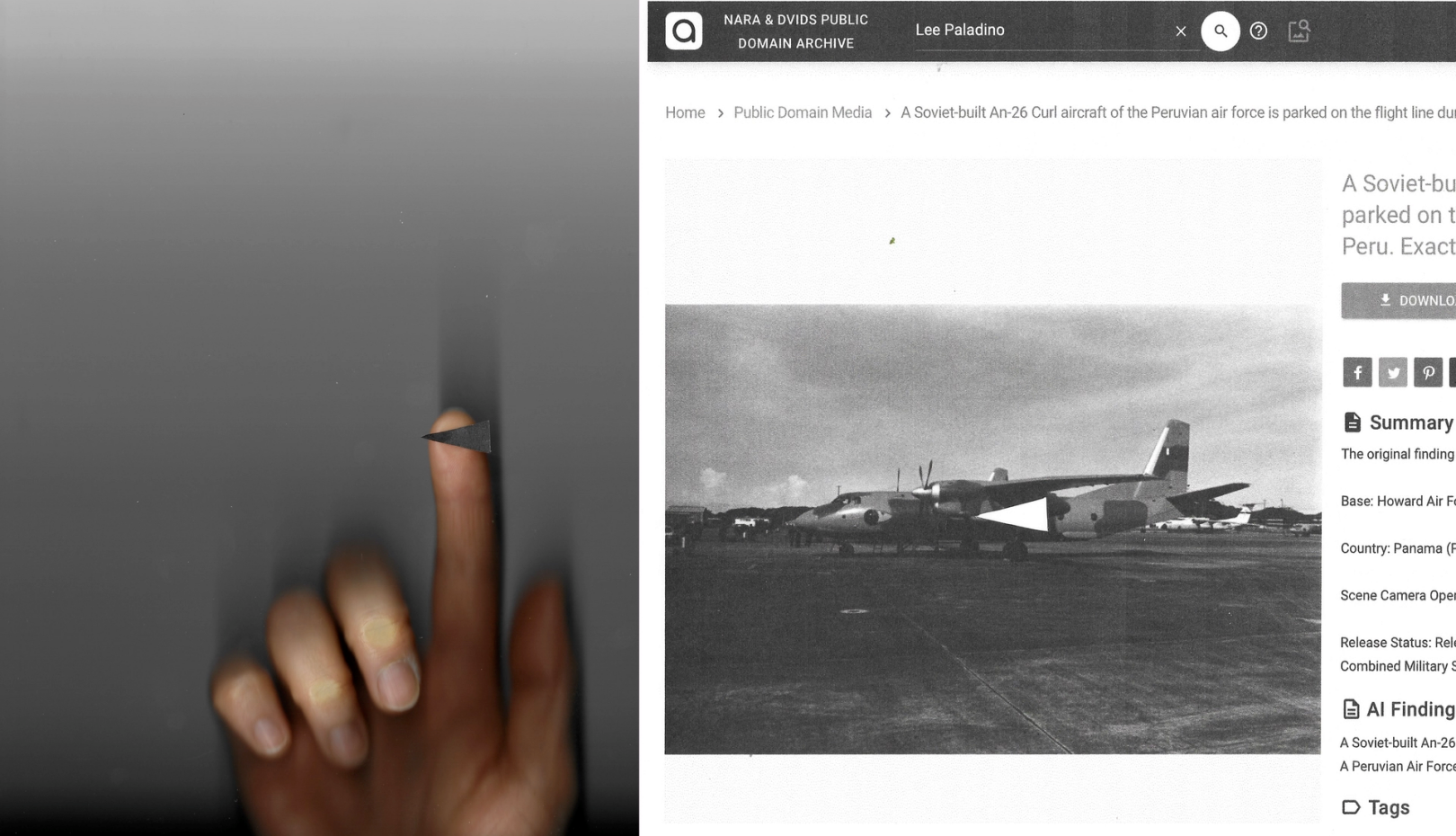
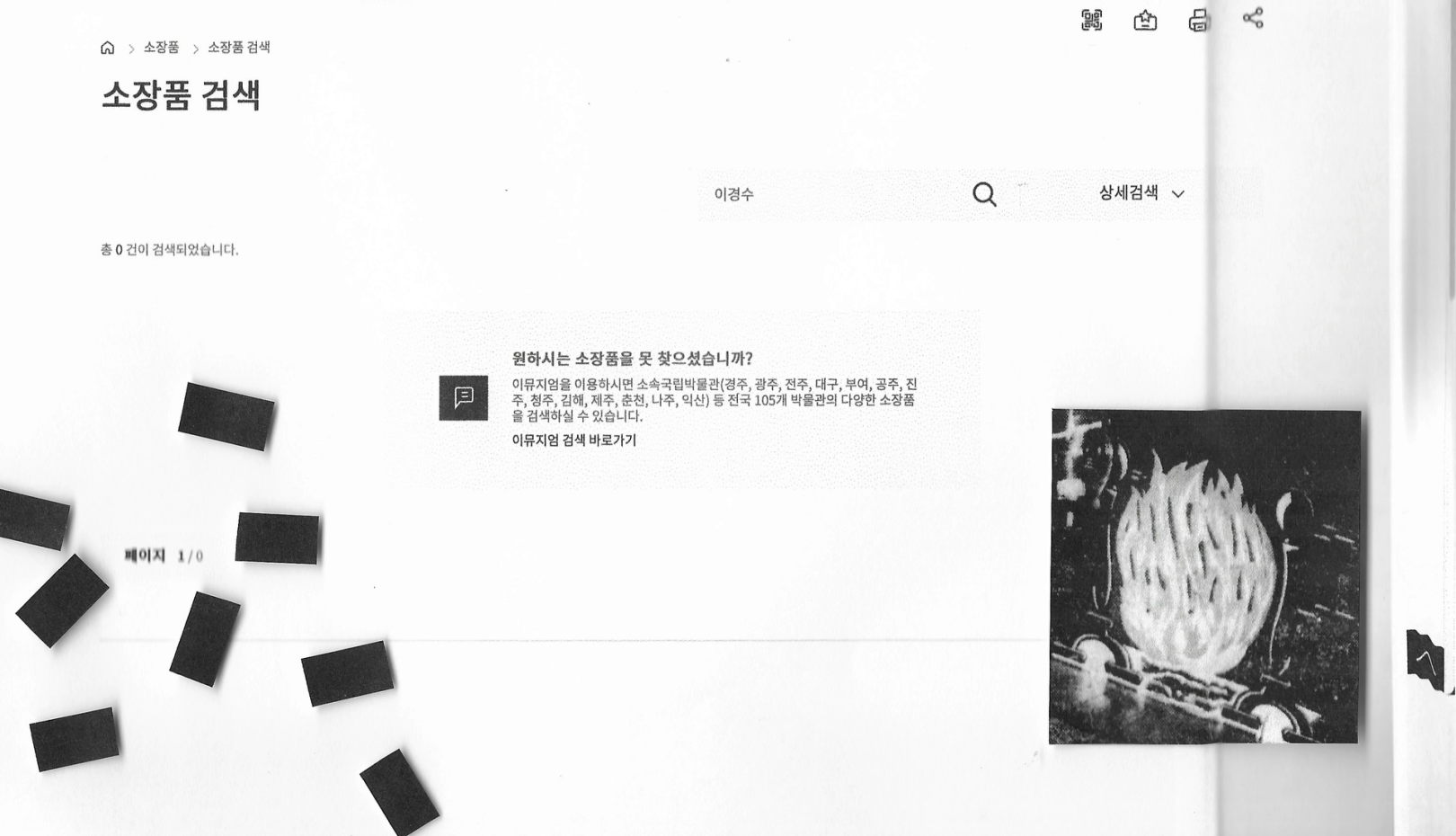
Justin Jinsoo Kim’s short film A Real Christmas begins with a question: what became of Lee Kyung Soo, a Korean orphan who, in 1953 shortly after the Korean War, was adopted and taken to the United States by Navy boatswain Palladino, whose actions appeared to embody humanitarian kindness? The name “Lee Kyung Soo” evokes the historical condition of Korea, once regarded in the aftermath of the war as a nation of orphans. Through online searches, the film gradually reconstructs the scattered fragments of his life.
Kim demonstrates that imagining a fictional narrative need not stand in opposition to documentary as either a method or a concept. A Real Christmas remains open to an imagined story—to fiction—because rather than rejecting fictionalization, it incorporates unprocessed documents found within it and cites them directly. Grounded in historical records yet composed through a colorful mixture of techniques and sources, the film resists easy classification. In doing so, it exemplifies the possibilities of documentary art as a form capable of engaging real history while remaining open to invention.
DIRECTOR'S NOTE
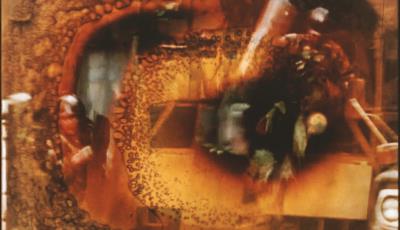
The film borrows the audiovisual language of American popular animation from the 1950s and 1960s, reconstructing the bright, optimistic surfaces produced and circulated by the media of the time. Through collage, sentences and photographs from newspapers are transformed into abstract animation and set in motion through repetitive rhythms. That cheerful form, rather than sustaining the illusion, both conceals and exposes the silences and gaps within the archive, as well as the instability of narratives shaped by particular political contexts.
Rather than simply restoring archival material, I sought to recall the visual aesthetics and sensibilities of the period in which it was first produced. By doing so, I wanted to uncover the absences and losses hidden beneath the surface of the record and explore animation as another form of excavation—one capable of bringing forgotten lives back into motion.
CONTACT
Justin Jinsoo KIM | justinjinsookimart@gmail.com