18th DMZ International Documentary Film Festival2026.9.10—16
주 메뉴
Going Home
Germany, France, Palestine202621minDCPColor12
World Premiere 다큐보다docuVoDA
#Experimental #Family #Media #War
SYNOPSIS
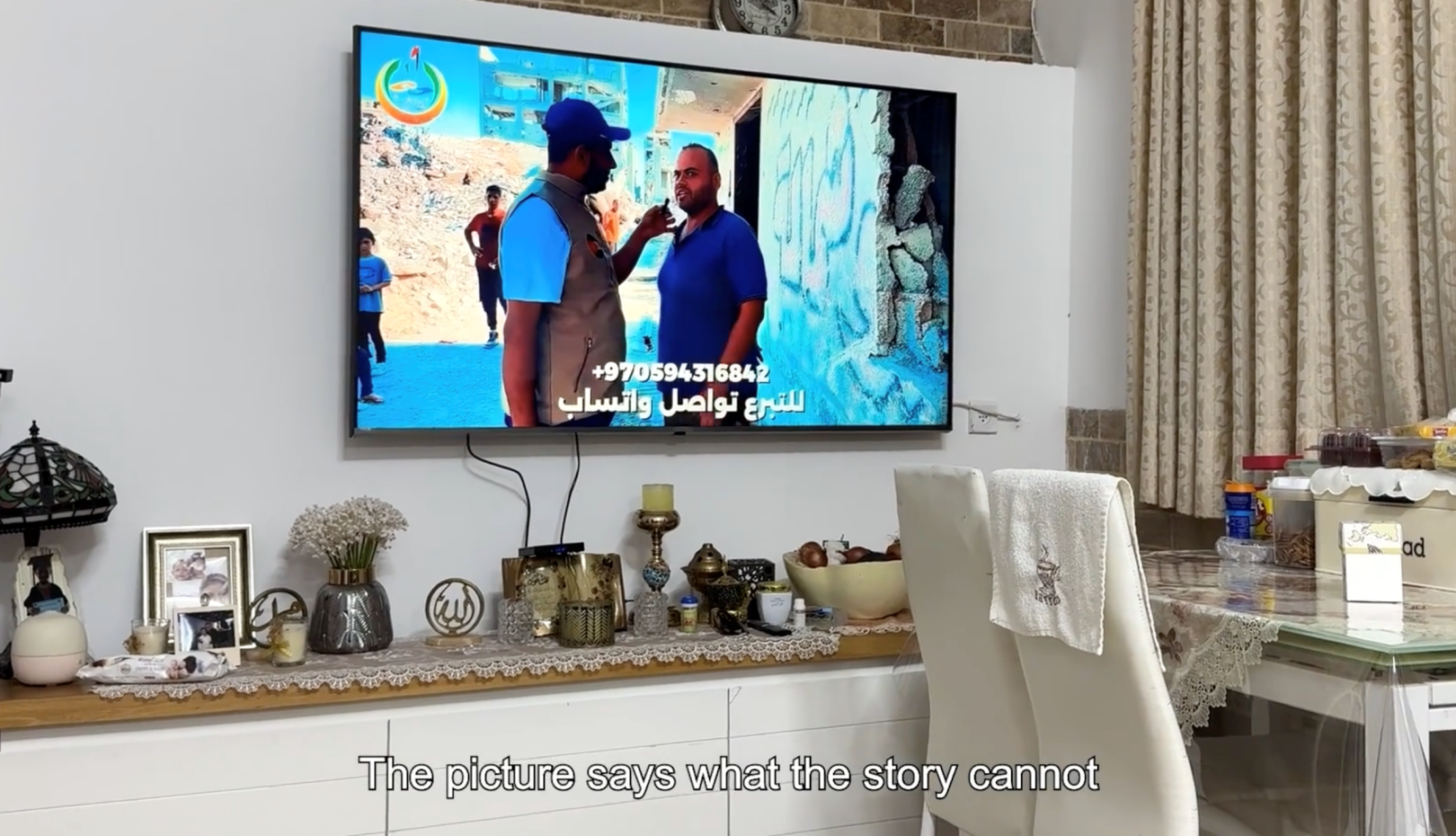
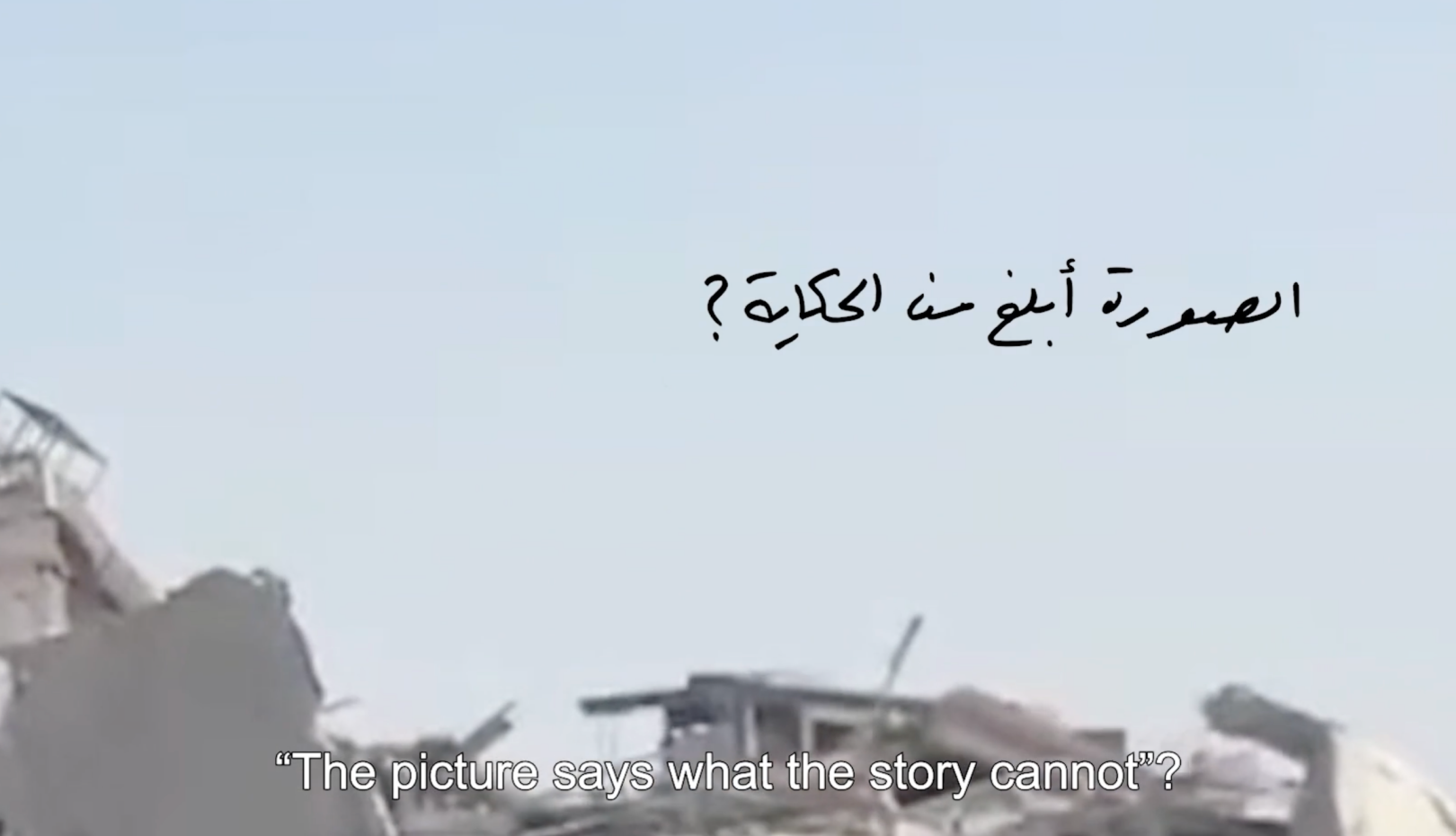
It was late December, and the weather was stormy. I went back to my parents’ home after 3 years of absence. I’m told: some of our relatives in Gaza were killed, the last one was a 12 years old girl. Every morning my mother asks: How did they sleep tonight under the heavy rain. My mother tells me not to film the TV and to erase what I filmed. “The picture says what the story cannot”? (This film is screened with Masao Adachi Takes a Passport Photo.)
DIRECTOR
Kamal ALJAFARI
Kamal Aljafari is a Palestinian filmmaker and artist known for his distinctive approach to cinema. His installation The Camera of the Dispossessed was presented at the Bienal de São Paulo in 2023. His feature film A Fidai Film screened at more than 100 film festivals and won around ten international awards. With Hasan in Gaza, premiered in the International Competition at the Locarno Film Festival, where it received the Europa Cinemas Label. Paradiso, XXXI, 108 won the prize for Best Experimental Film, given by the German Critics’ Association. (Photo: Locarno Film Festival)