SYNOPSIS
A photograph now embodies the directionless (im)possibility of all events. It no longer records an event—it generates one. (This film is screened with Oh, Valentine.)
REVIEW
Undocumented Mona Lisa is about the struggle of images. This struggle does not take place between subject and camera, or between what lies inside and outside the frame. It begins after an image has been made, when that image collides with others across different times and contexts. For the filmmaker, a photograph is not an event in itself but a symptom or piece of evidence that has yet to become one. Only afterward, under contingent conditions of time and space, can it emerge as an event.
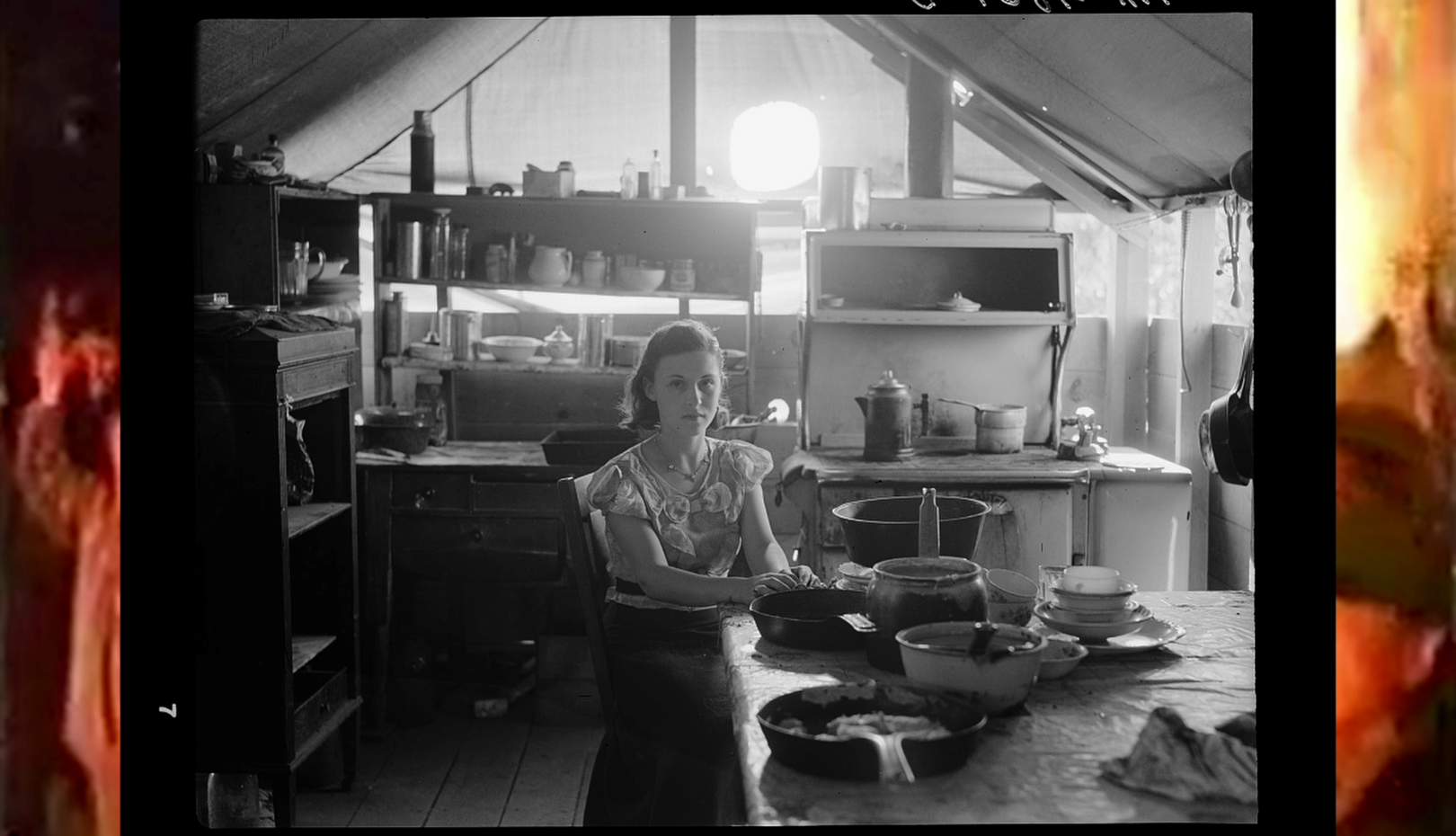
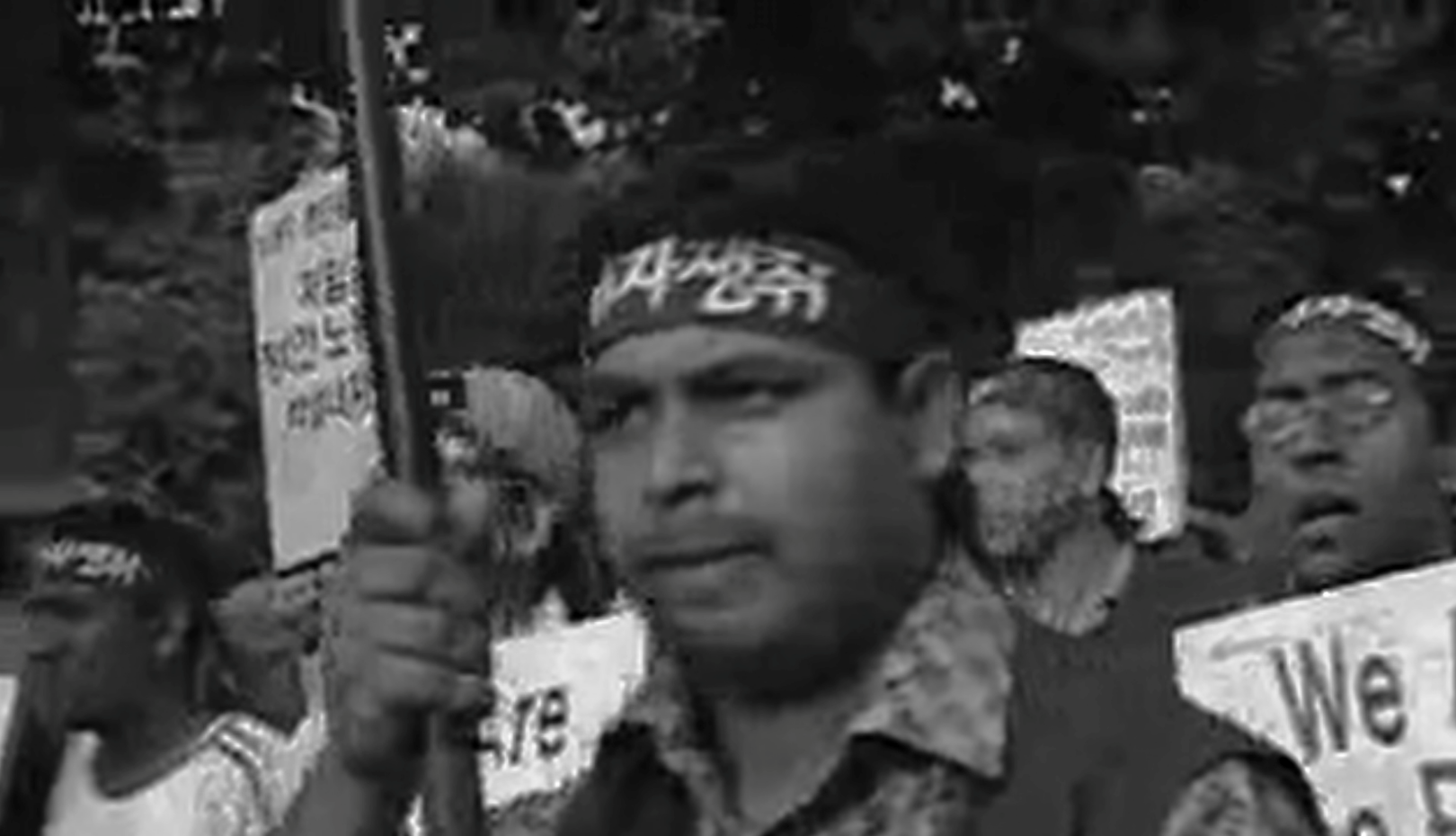
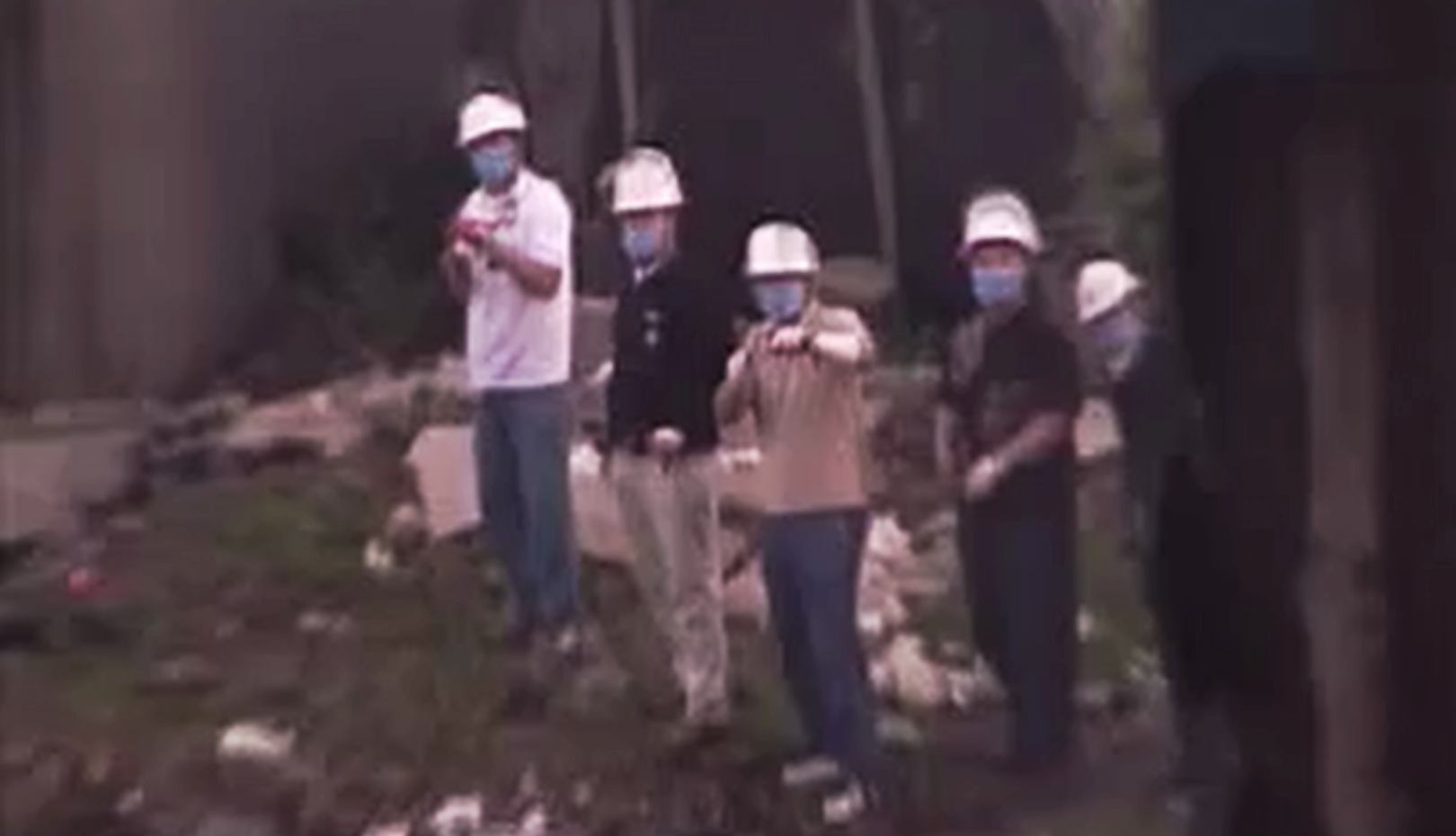
From Dorothea Lange’s Migrant Mother to photographs of Yun Geum-i’s body, the struggles of migrant workers at Myeongdong Cathedral, and the resistance of evictees in Pungdong, the film layers images from disparate moments and sites, placing them in relation. Florence Owens Thompson struggles unsuccessfully to reclaim her image after becoming a “symbol of poverty.” Yun, denied even the right not to be seen, is utterly alienated from her own photograph. Migrant workers and Pungdong residents, meanwhile, remain pushed out of public attention no matter how thoroughly their struggles are recorded. The distribution of the sensible is profoundly unequal.
The struggle of images, then, occurs not within an image but between images, and through their rearrangement. However powerless such acts may seem, we must keep altering their configurations, forging new relations, and writing minority reports so that these contingent encounters can continue to occur. (CHO Hyeyoung)
DIRECTOR'S NOTE
A photograph is not an event. It is either a sign that has not yet become an event or evidence that still fails to do so. The moment an image appears on film is a moment of complete isolation—a clean severance from the entire world. A photograph is the directionless (im)possibility of all events; it becomes an event only after the fact. An event after a photograph is impossible, just as an event before a photograph is impossible. The world becomes an event through photographs, yet through this photographic discontinuity, the photograph fundamentally exceeds the world. It is a latent past and an unobservable potential of the present. Documentation, representation, and indexicality are merely entry points into that potential. A photograph’s first appearance—and its later reappearance—enter the world as entirely different events. Some distrust photographs because they become events against their will; others doubt photographs that never manage to become events, no matter how hard they try. Everyone grows angry at photography, though the photograph itself is innocent.
What matters now is not the photograph, but the event the photograph creates. What remains for us is not to view photographs simply as photographs, but to construct the conditions and contexts through which photographs may generate events of their own. Some worry that the era of generative images produces pseudo-photographs, but today’s images generate their own events—and in their accumulation, they form the world. To consider the (im)possibility of images, then, is no different from considering the world itself. It is to examine how photographs become events through random forces, and how contemporary systems use vision to control everyone.
CONTACT
Cinema DAL | HONG Lina | festival@cinemadal.com