SYNOPSIS
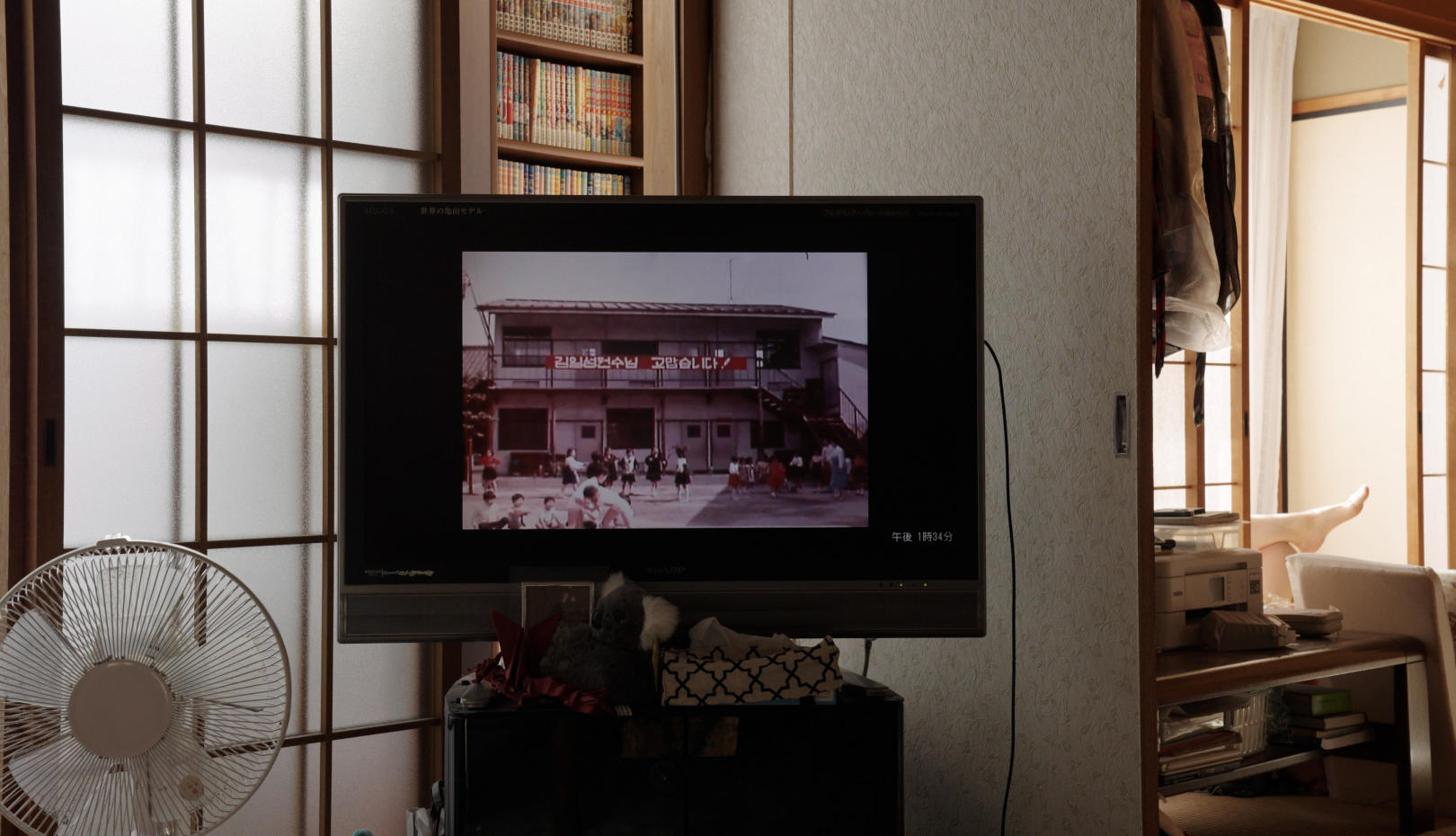
After graduating from Joseon school, ✕✕ enters a South Korean university. Jihoon meets ✕✕'s family and friends, sharing meals, drinks, and songs together. Through these interactions, he naturally grows closer to ●●, ▲▲, and ◆◆, listening to their memories of Joseon school and their lives in Japan. These exchanges erase the space of everyday life and question the sense of mission imposed in its place: For whom is it really when we label those living ordinary lives with “identity”? (This film is screened with Welcome to Set.)
REVIEW
Yakiniku ToRaJi is about people who can never fully become South Korean, North Korean, Japanese, or Chosŏn—the undivided Korea to which Zainichi identity still refers—and who must put on different identities at different moments. They are simply individuals, yet inevitably become entangled in collective identities. Many Zainichi Koreans spend their school years at Korean schools in Japan, partly by choice and partly by circumstance, experiencing them as places they cannot simply reject even when they want to. These schools are not only systems that impose identity, but also places where they find friends who help explain who they are today.
Because identity emerges through recognizing one’s position among others, escaping the bonds of a collective is never easy. This inevitably creates a dilemma, and Yakiniku ToRaJi refuses to resolve it neatly. When its subjects say that they dislike the absurdities of Korean schools yet would still choose to attend one if they could return to the past, the film neither comments nor judges.
Perhaps anticipating this impasse, the film turns away from conclusions and instead releases an excess of sensory effects across its surface. Blurred faces render everyone strangely other. Through this distinctive and original sensation, Yakiniku ToRaJi leaves us with questions no less uncomfortable. (HAN Changwook)
DIRECTOR'S NOTE
They have often been portrayed as heroes who continued to struggle without forgetting their homeland despite discrimination. Yet such representations can reinforce the division between “us” and “them” and restrict the range of lives they are allowed to inhabit. I also felt the limits of presenting them merely as people belatedly deserving our care because we had forgotten them, or as teaching material through which to study a painful history.
Korean schools in Japan are spaces that sustain the complex identities of the Zainichi Korean community. Rather than beginning with the proposition that these schools must be protected, I wanted to focus on the diverse individuals within them. To move beyond pity and othering, the film reveals people who are neither sublime nor wretched. The lives that exist in the greatest number are the ones left unexplained.
CONTACT
YANG Jihoon | yaangjihoon@gmail.com