SYNOPSIS
Tracing the present of a failed revolutionary who left the factory and the city, and the death of subcontractor Park Il-soo two decades ago, the film explores the still-unforsaken possibility of a new revolution. (This film is screened with Undocumented Mona Lisa.)
REVIEW
The footage of struggle in Oh, Valentine feels strangely unfamiliar. Director Hong Jinhwon transforms vivid images of the scene through a retrospective gaze. Noise functions less as factual evidence of temporal distance than as a visible trace of editing. Another source of estrangement comes from the unfamiliar landscape of labor. Workers’ struggles within factories are usually imprinted on our memory as daytime images, their rhythm aligned with labor that begins at dawn and ends after dark. By contrast, the protest footage quoted in Oh, Valentine is dominated by night. Darkness resonates with a gaze that seeks to see the image of the militant worker anew.
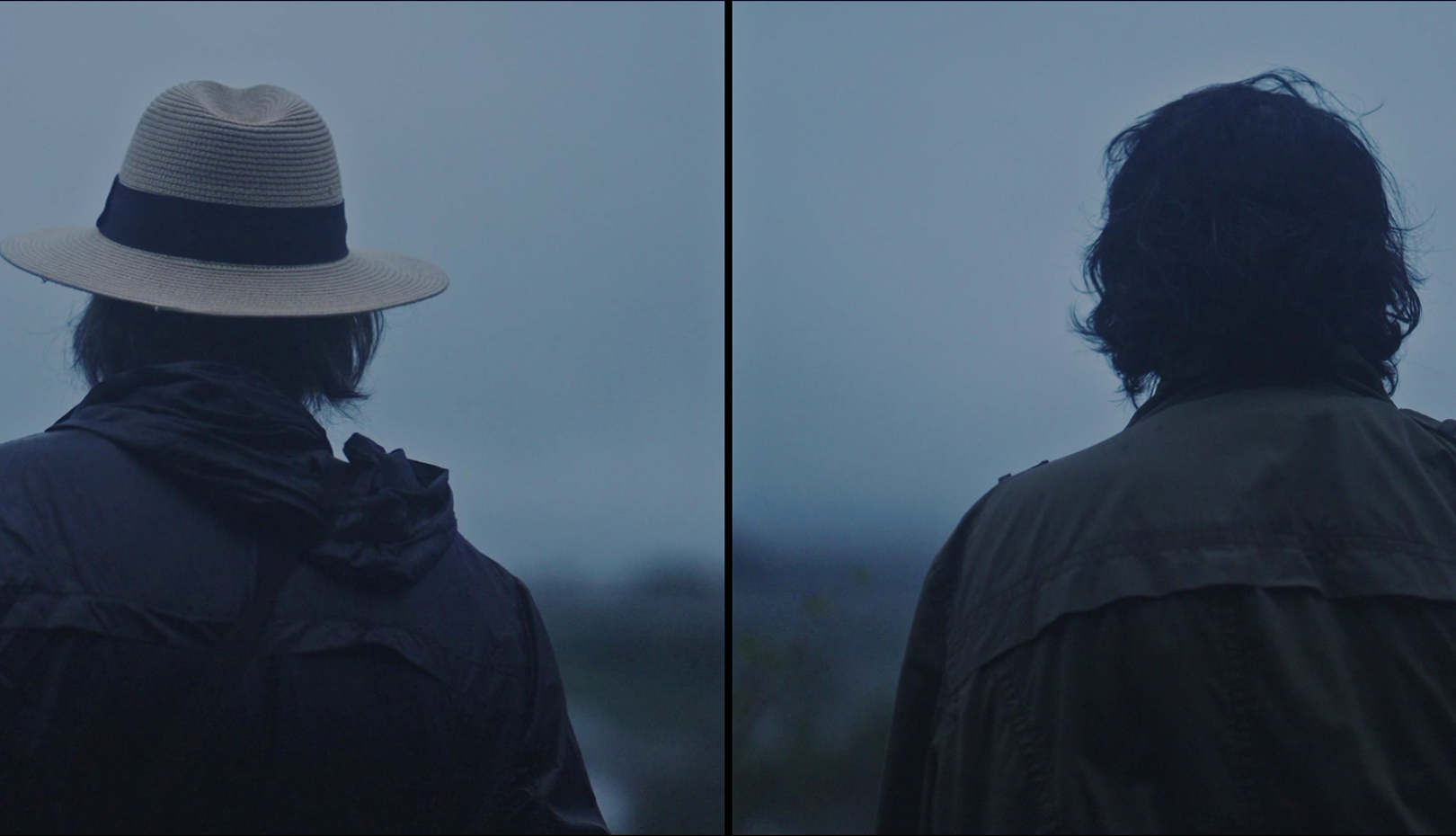
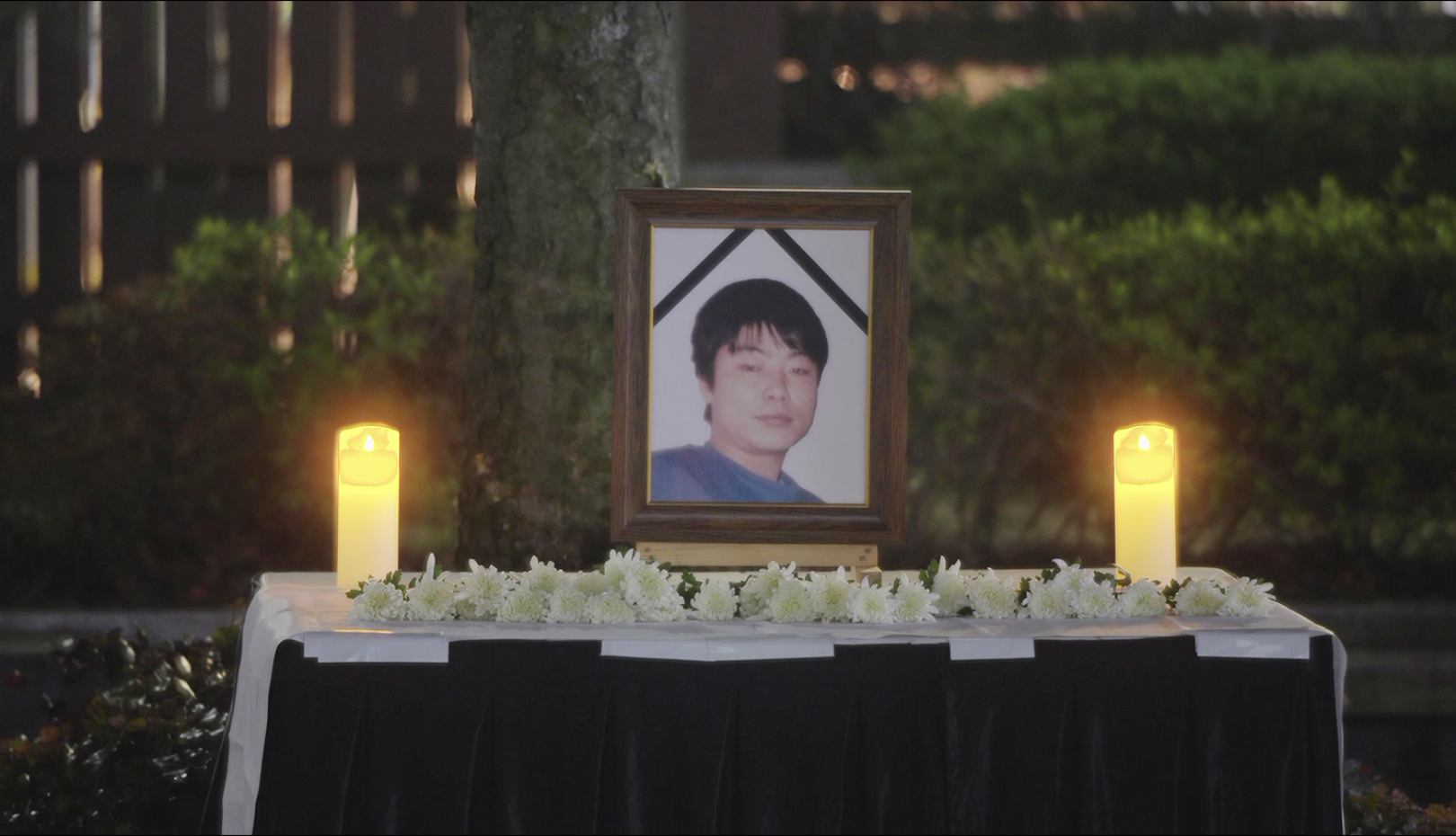
Photographs of labor martyr Park Ilsu, including his memorial portrait, show an ordinary, peaceful face that clashes with the horror of his death. Two interviewees—his former comrades who now live as artists—invite us to imagine the life he might have lived. Yet the film keeps them apart through split screens, never allowing them to meet within the frame. In doing so, the split screen resists the single point toward which works of remembrance and reflection often converge. Oh, Valentine thus offers not only a different way of portraying its subjects, but also a new use of the divided screen itself. (KIM Sohee)
DIRECTOR'S NOTE
Oh, Valentine traces the aftermath of the death of Hyundai Heavy Industries subcontractor Park Il-soo, following the split and confrontation between full-time and part-time unions. Through this lens, the film reflects on the failures of class-based labor movements and raises critical questions about the state of contemporary labor and progressive activism in South Korea.
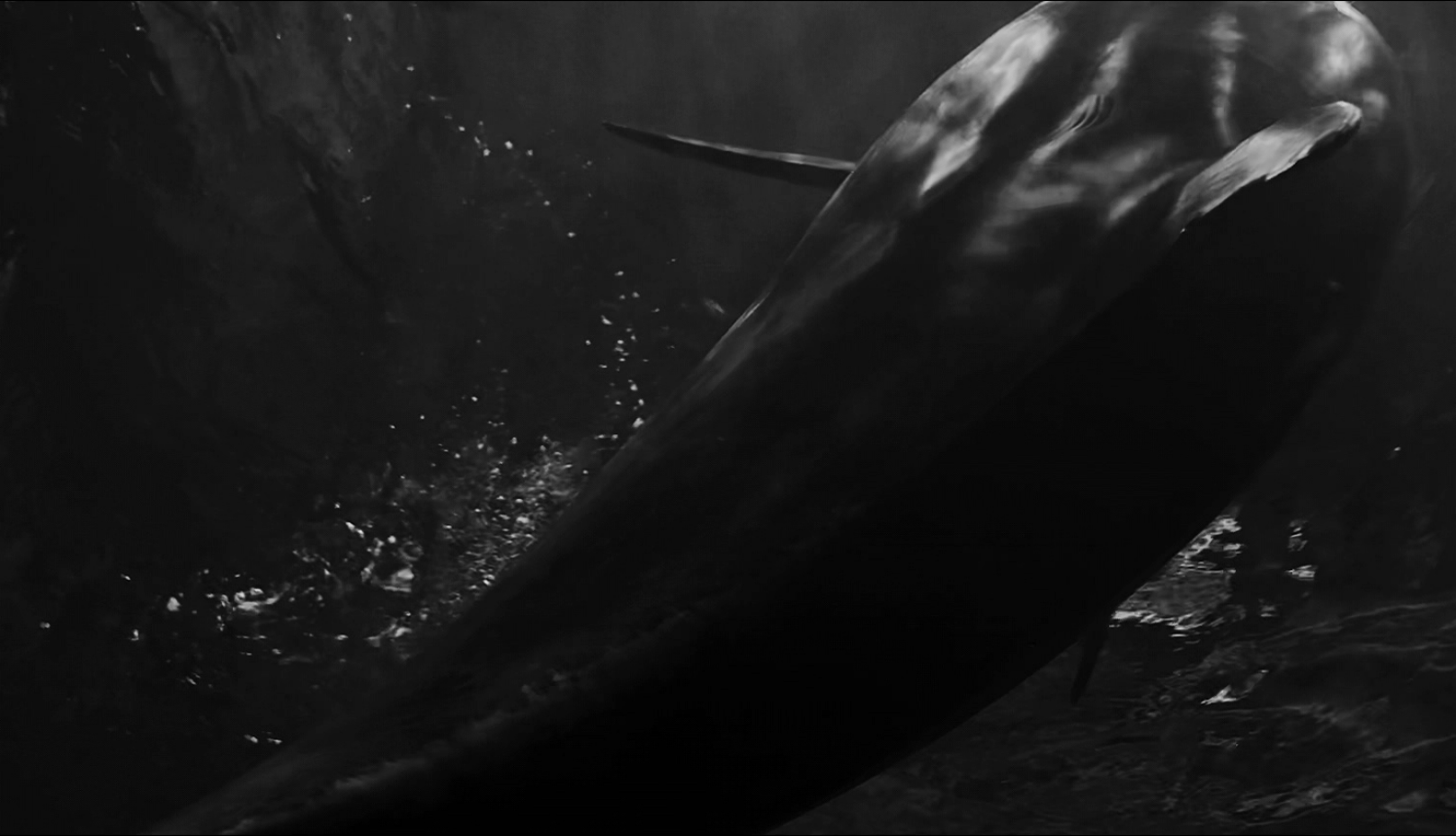
At its core, Oh, Valentine probes the relationship between humans and nature, and between life and non-life, through its two protagonists—Cho Seong-woong and Woo Chang-soo. It doubts, questions, and affirms that ecological struggle is, by nature, anti-capitalist. The film meditates on the radical potential of land—its force as a site of resistance and transformation. Resisting the conventional narratives and sensational spectacles often found in documentary cinema, Oh, Valentine explores what it means for a film to be self-equal and self-liberated. It seeks ways for documentation to transcend itself, disrupting the traditional relationships between narrative, image, and sound, and in doing so, unsettling the position and role of the viewer.
CONTACT
Cinema DAL | HONG Lina | festival@cinemadal.com