SYNOPSIS
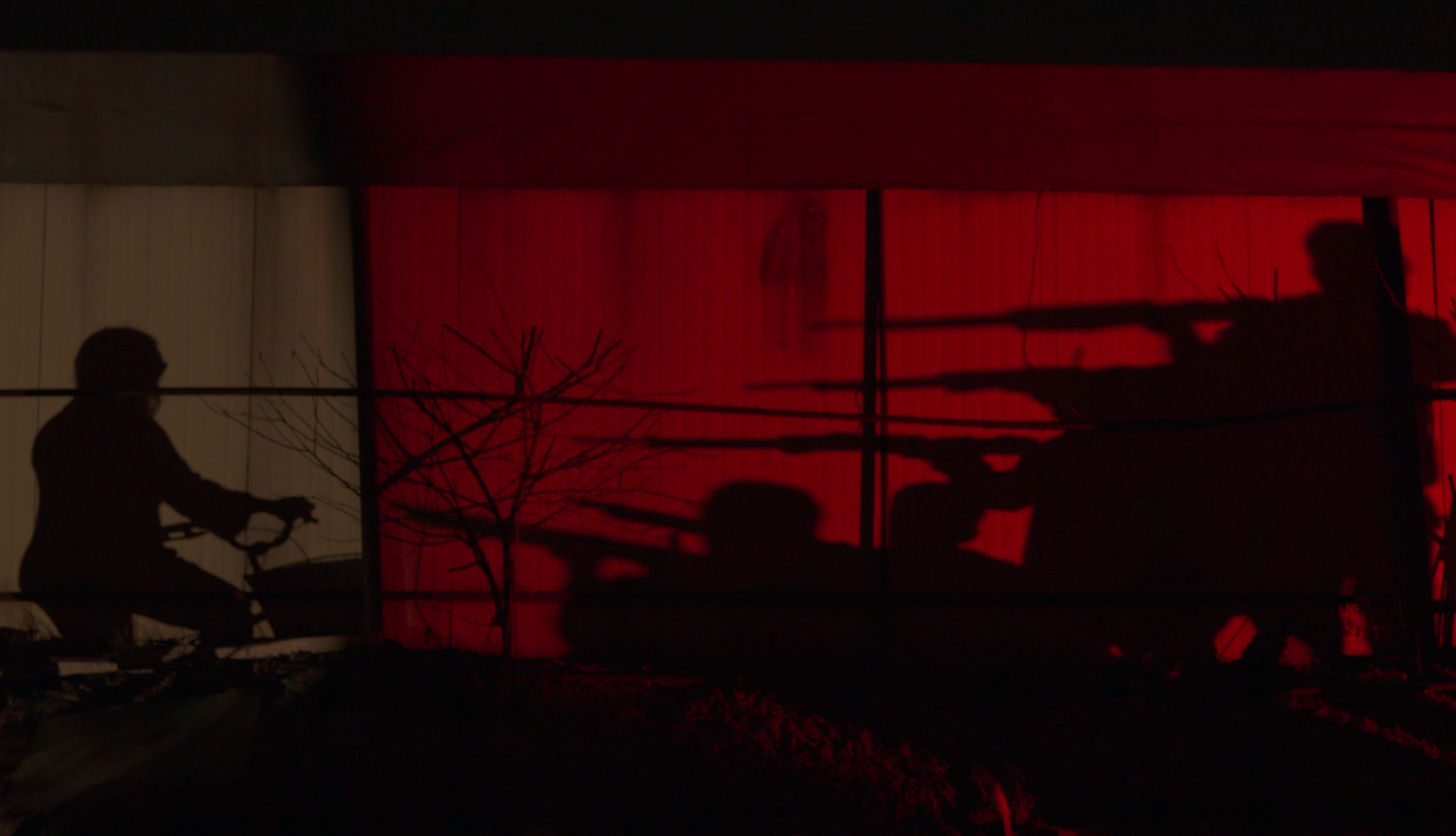
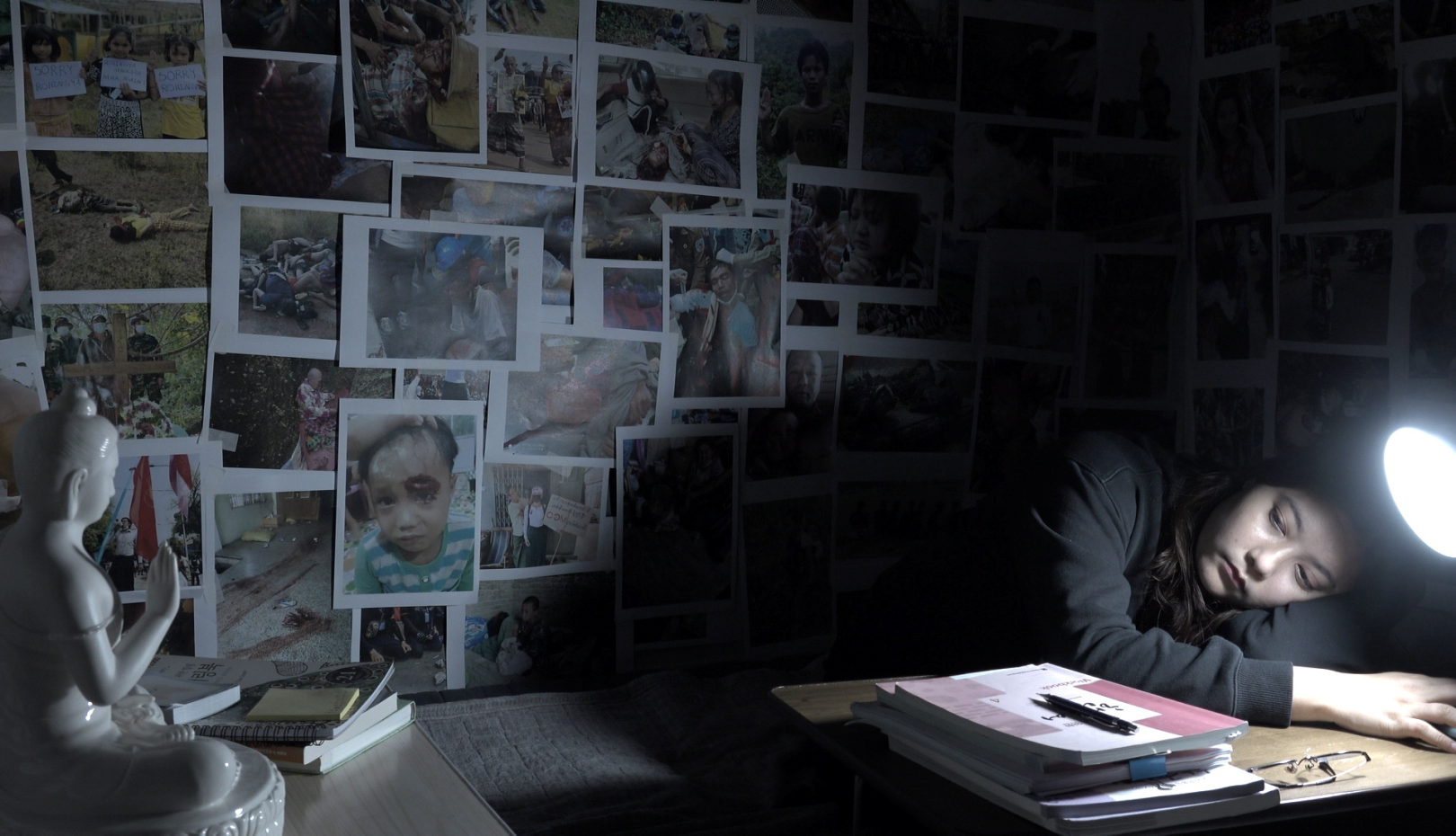
On the outskirts of Seoul, in Gongneung-dong, two people sharing different languages and histories live together: Korean Choi Jin-bae and Myanmar-born Nyein Thazin. One day, a single photograph shatters their quiet routine. It shows a village in Myanmar devastated after the military coup-a desperate cry from a homeland left behind. Choi refuses to turn away. What does it mean to bear witness? How far can solidarity reach? And how should we face the suffering of others? (This film is screened with Last May in Theaters.)
REVIEW
Choi Jin-bae, who runs Myanmar Today, and Nyein Thazin, a Myanmar national, are an international couple living in Korea. Since the military coup erupted in Myanmar in 2021, during the pandemic, neither has been able to return to the country. Even from afar, however, they devote themselves to raising awareness of and supporting the resistance of the Myanmar people, despite their own financial struggles.
Beyond Now, Nyein records their lives while reshaping everyday reality to a certain degree. Yet this is less fabrication or manipulation than a process of compression and condensation, designed to convey their daily experience more effectively. It also signals the film’s shift from merely documenting facts toward the emotional lives of its subjects. They dream of changing the world through political solidarity, but the burden of making a living in a distant country is impossible to escape.
The film gathers the emotional knots produced by this harsh reality into a dramatic framework and holds them with care. Rather than offering temporary consolation by forgetting the past, it seeks a cinematic form for the will to endure: to remember the faces of those sacrificed to a reality they could not overturn, and to continue living despite its cruelty. (HAN Changwook)
DIRECTOR'S NOTE
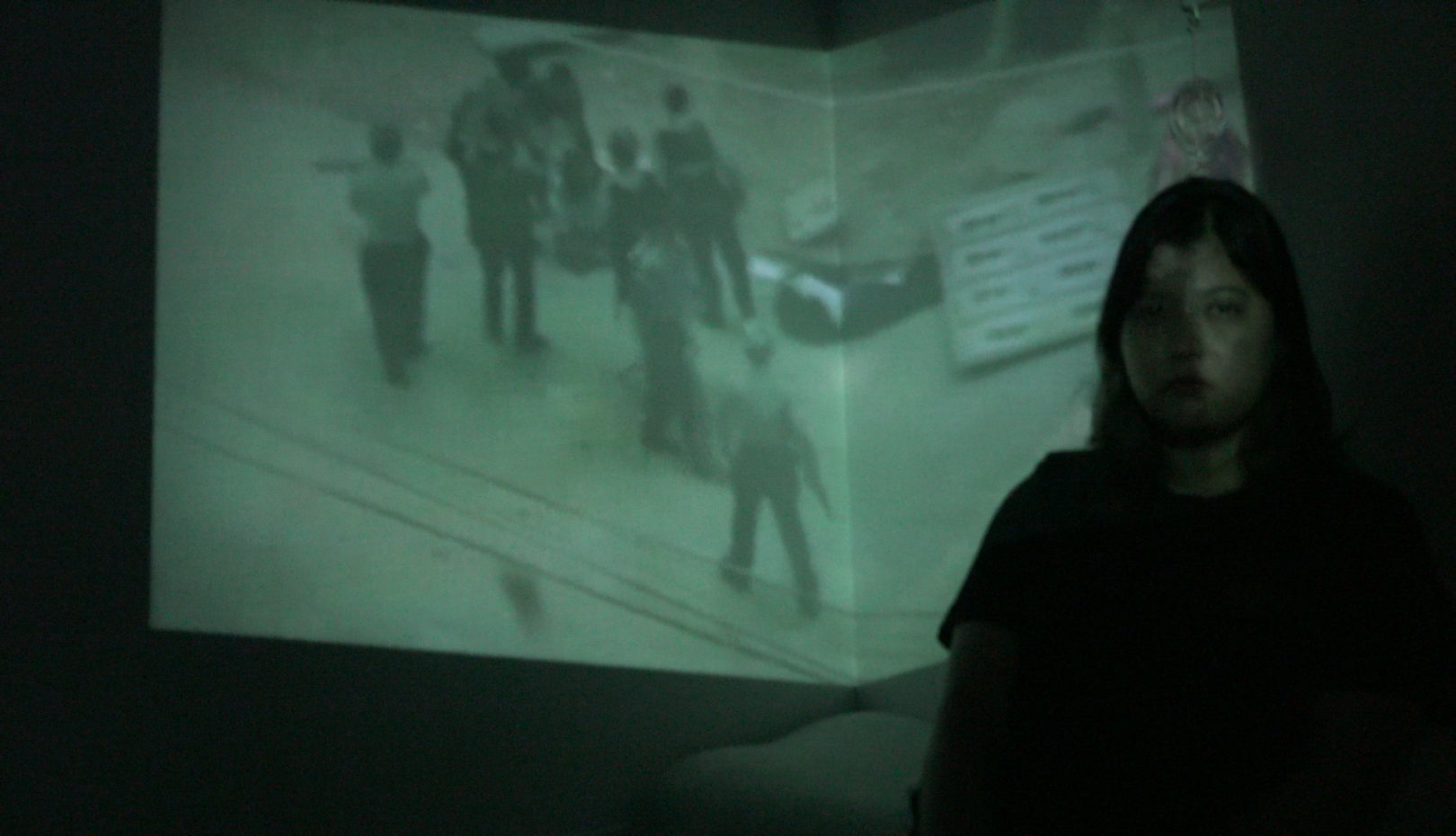
The film began with footage preserved by a married couple. I initially wanted to build the work around images of military violence and popular resistance in Myanmar. As more social media channels began documenting the country’s reality, however, I felt that a footage-driven narrative would offer little distinction from other works.
To move beyond this limitation, I abandoned the footage as the film’s central structure and focused instead on the couple’s anxiety and emotional instability. The film emerged from my attempt to consider how the brutality unfolding in Myanmar could be expressed within the peaceful atmosphere of their life in Korea.
CONTACT
LIM Daecheong | policepd@naver.com