


18th DMZ International Documentary Film Festival2026.9.10—16
주 메뉴
Raining Dust
2025 Busan Intl. Film Festival - BIFF Mecenat Award, Wide Angle
SYNOPSIS
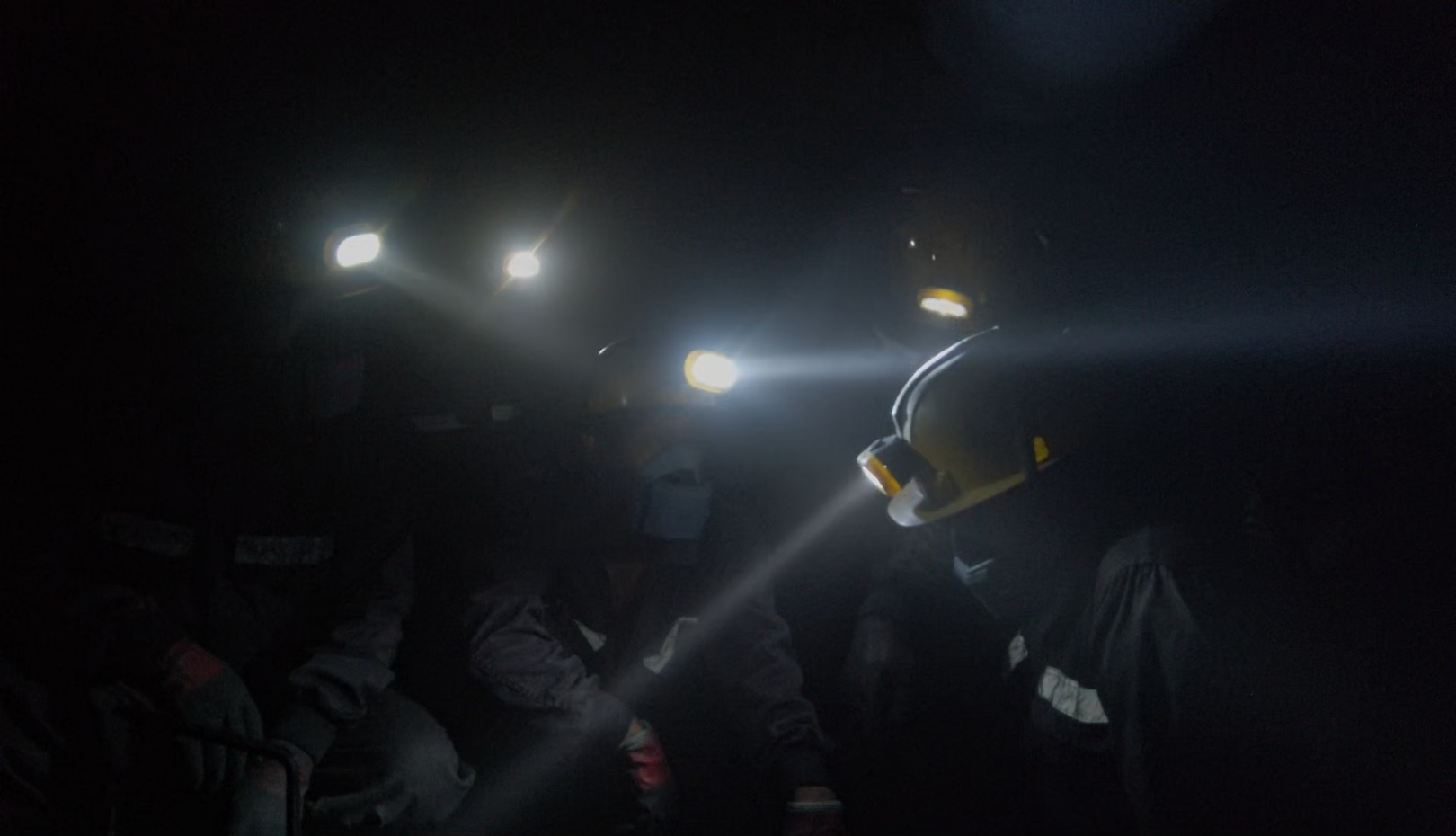
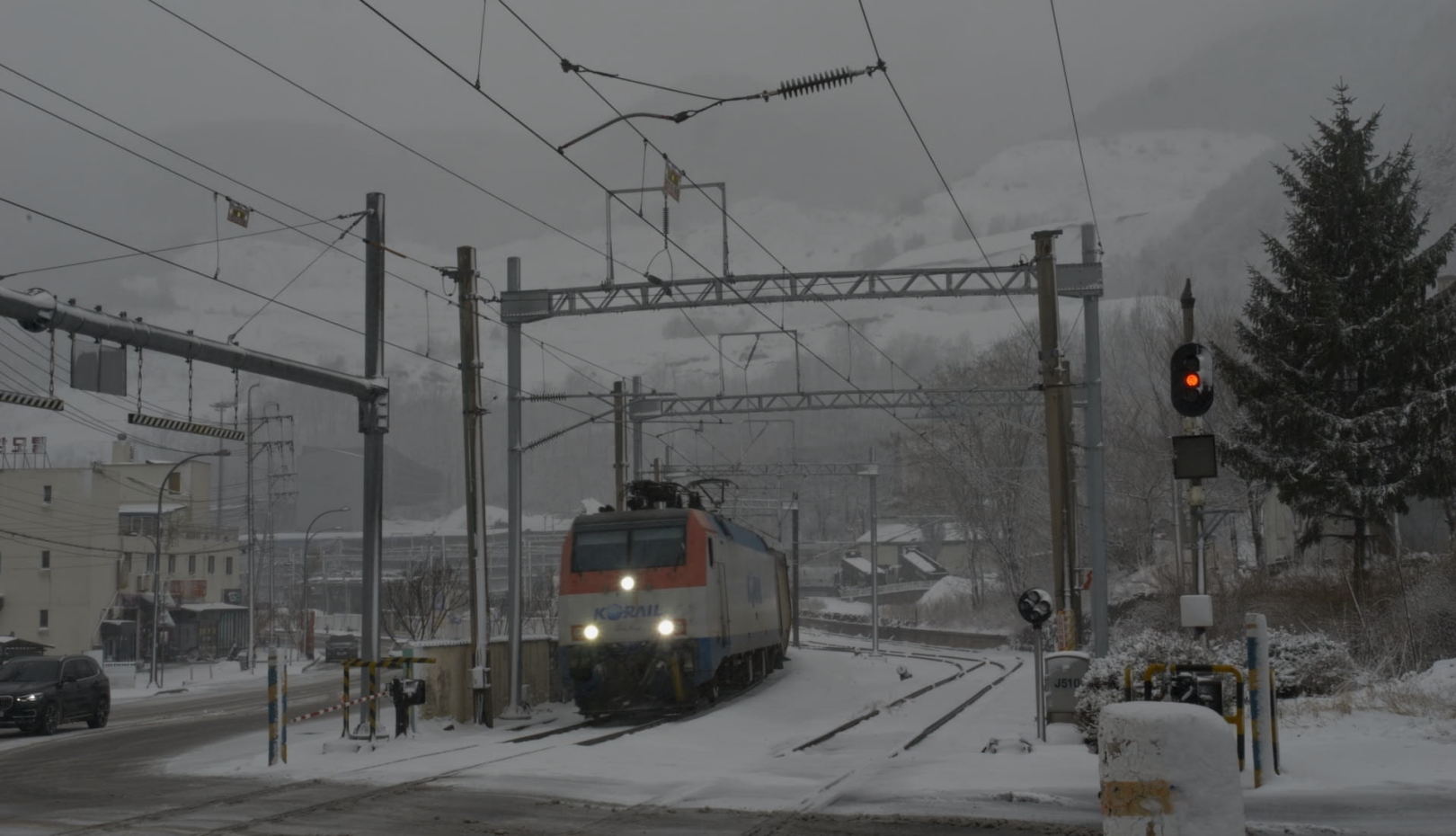
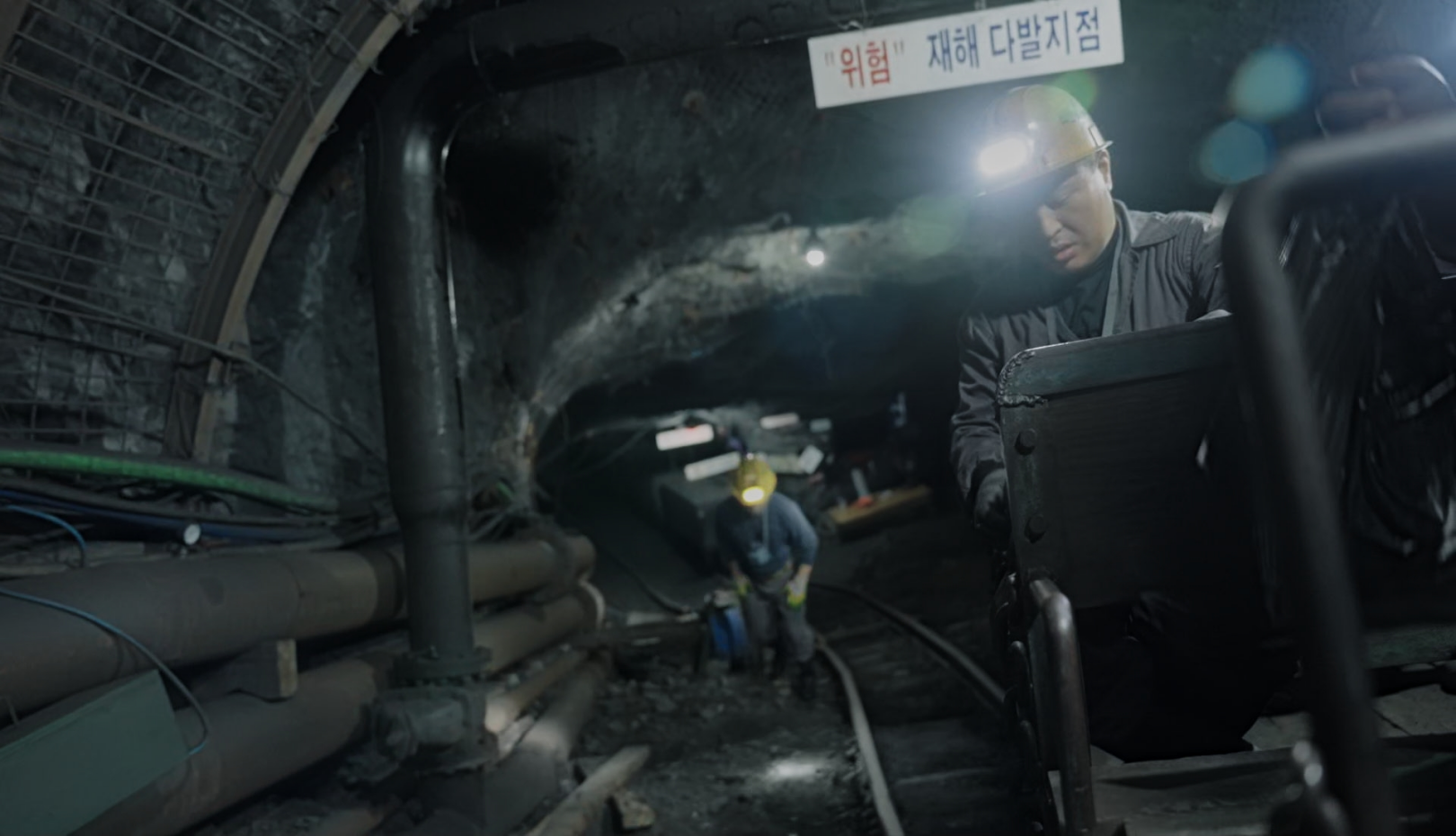
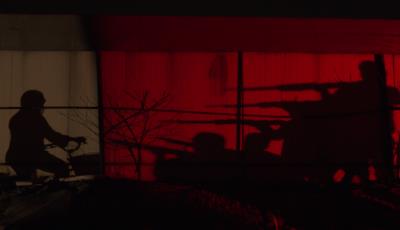
Reflecting on a chapter in the lives of the workers at Jangseong Mine, the last coal mine in Taebaek, now closed, the film contemplates the meaning their arduous lives and struggles hold for the present. It documents those who, in an era of brutal exploitation, violence, and barbarity, upheld human dignity and the value of solidarity. Looking back on years of grueling labor and collective struggle, the film moves deftly between a wide range of emotions.
DIRECTOR
JU Romi
Born in South Korea, Ju Romi is deeply interested in the personal histories of individuals who have lived their lives without recognition amid the sweeping currents of history, and strives to encounter them through her films. Her major works include All Live, Olive (2016) and The Wind Blows Again (2022).
KIM Taeil
Born in South Korea, Kim Taeil excavates the lives of individuals whose histories have been erased amid the sweeping currents of history, and continues to build his cinematic world from the perspective of an insect rather than that of an eagle. His major works include Walking for Life (2004), Annyong, Sayonara (2005), No Name Stars (2010), Wellang Trei (2012), All Live, Olive (2016), and Again the Wind Blows (2022).
Highlight Video


-
이전 영화
관리처분계획—미아리 텍사스 편
Miari Texas
-
다음 영화
지금, 녜인
Beyond Now, Nyein