


18th DMZ International Documentary Film Festival2026.9.10—16
주 메뉴

Homo Sapiens
SYNOPSIS
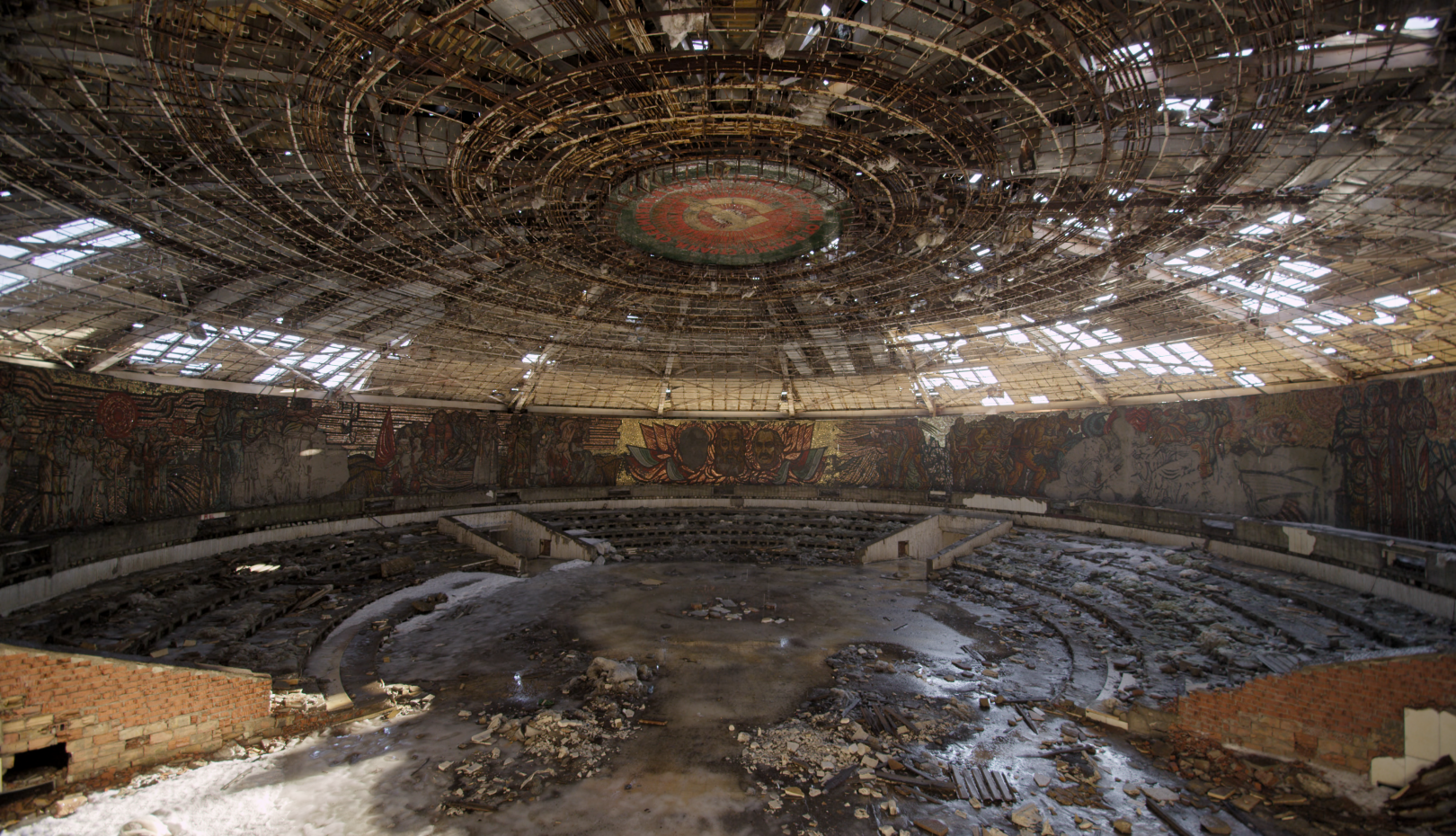
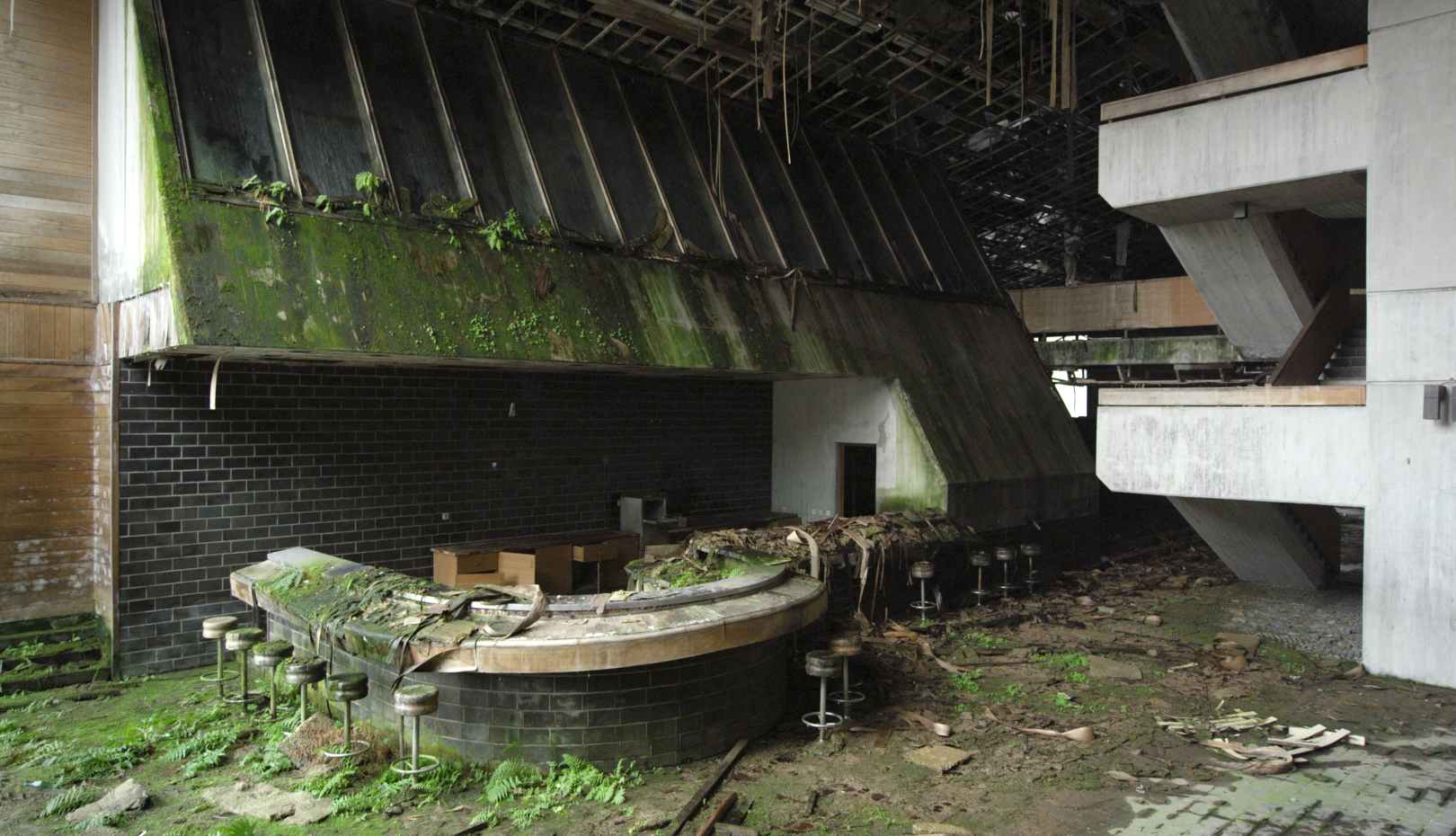
The images might come from a science-fiction film set on an uninhabitable Earth. Each location bears traces of former human life and witnesses a civilisation that produced architecture, art, ideologies, wars, and environmental disasters.
DIRECTOR
Nikolaus GEYRHALTER
Born in Austria in 1972, Nikolaus Geyrhalter is a filmmaker, cinematographer, screenwriter, and producer based in Vienna. In 1994, he founded Nikolaus Geyrhalter Filmproduktion, a production company for documentaries and amateur fiction films. He has directed films including Pripyat (1999), Our Daily Bread (2005), and 7915 KM (2008). Matter Out of Place (2022) and The Standstill (2023) were screened at DMZ Docs.
Highlight Video

-
이전 영화

사크다(루소)
Sakda (Rousseau)
-
다음 영화

열 개의 하늘
Ten Skies