


18th DMZ International Documentary Film Festival2026.9.10—16
주 메뉴
Mekong Hotel
SYNOPSIS
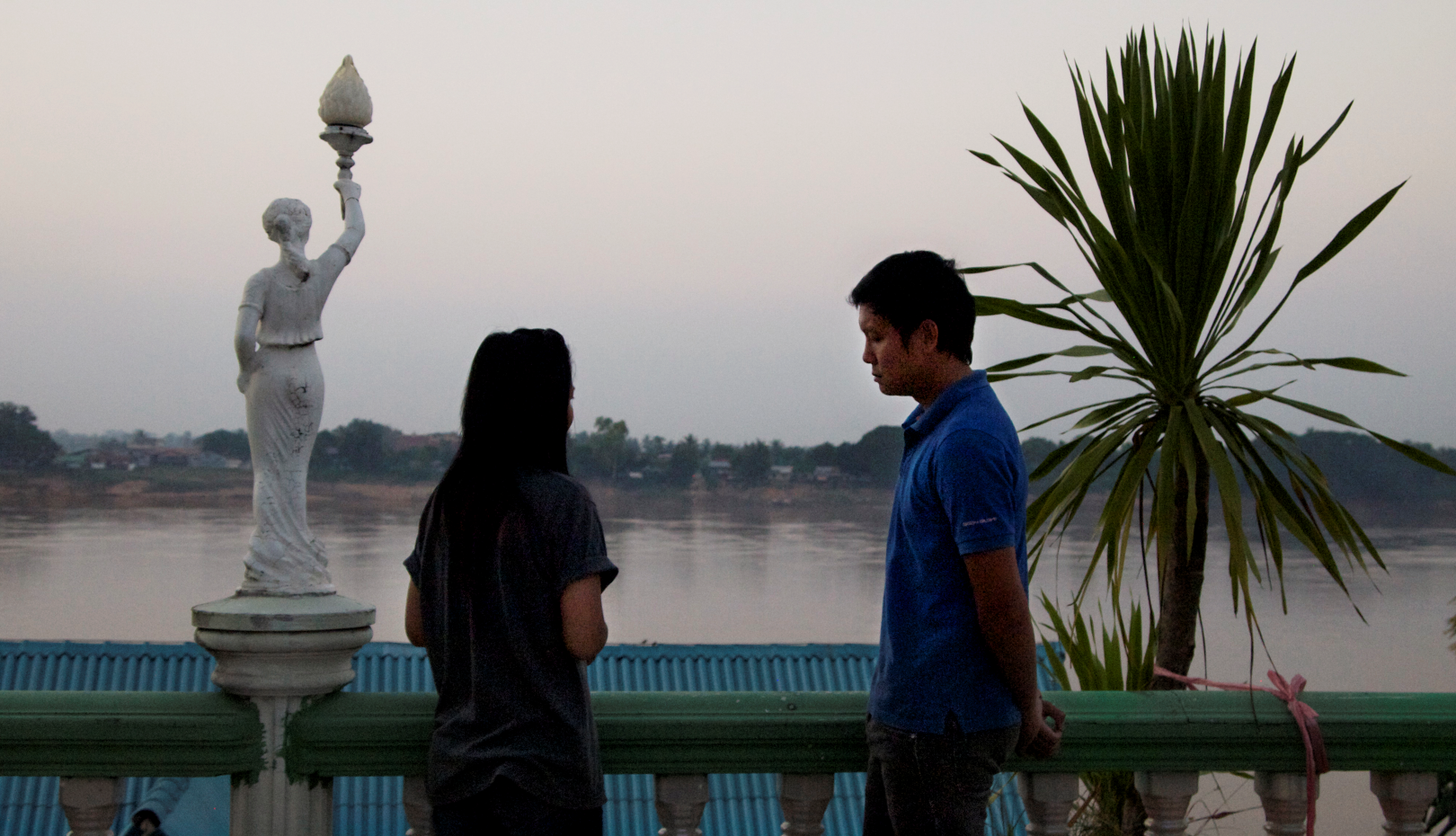
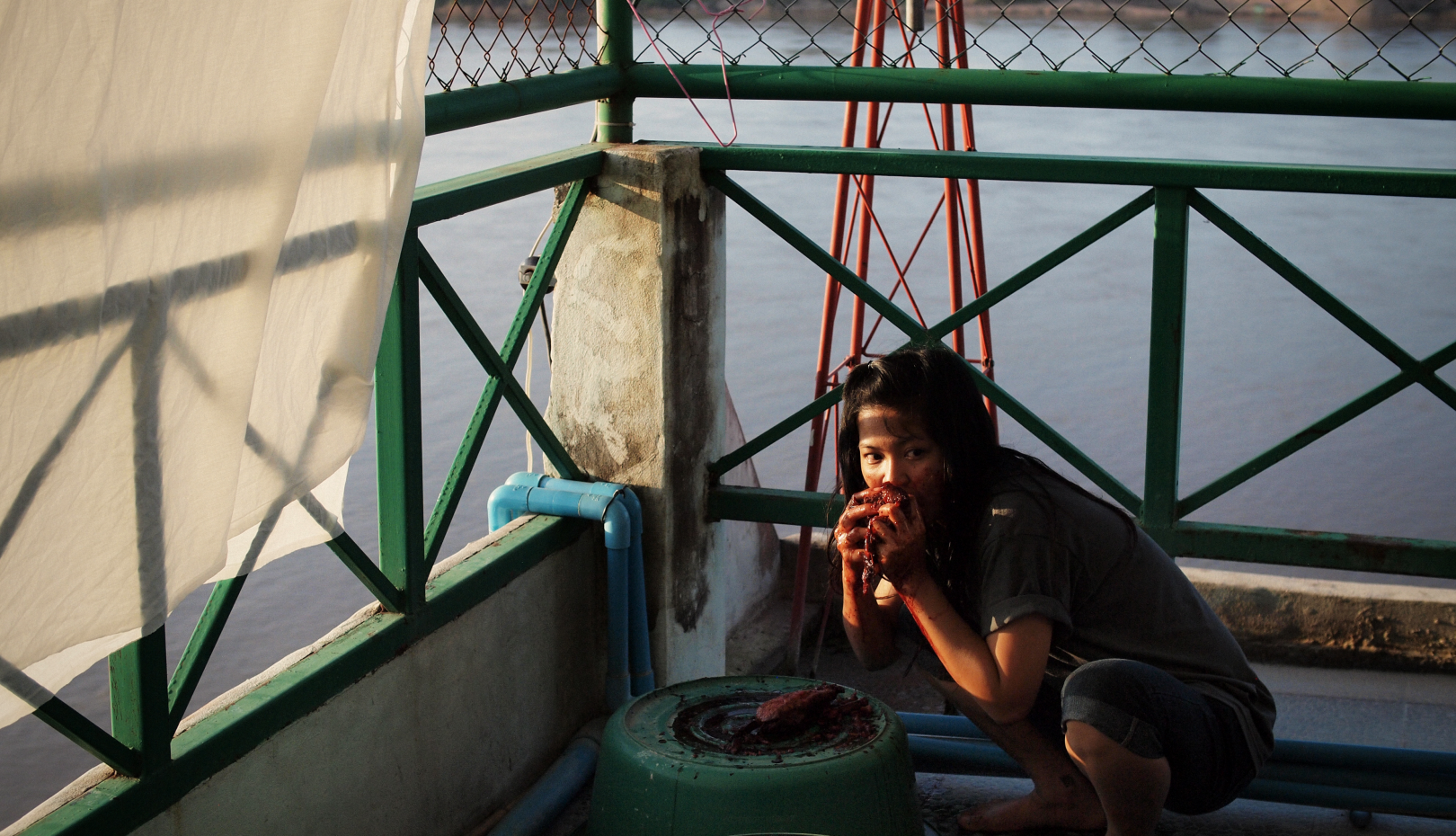
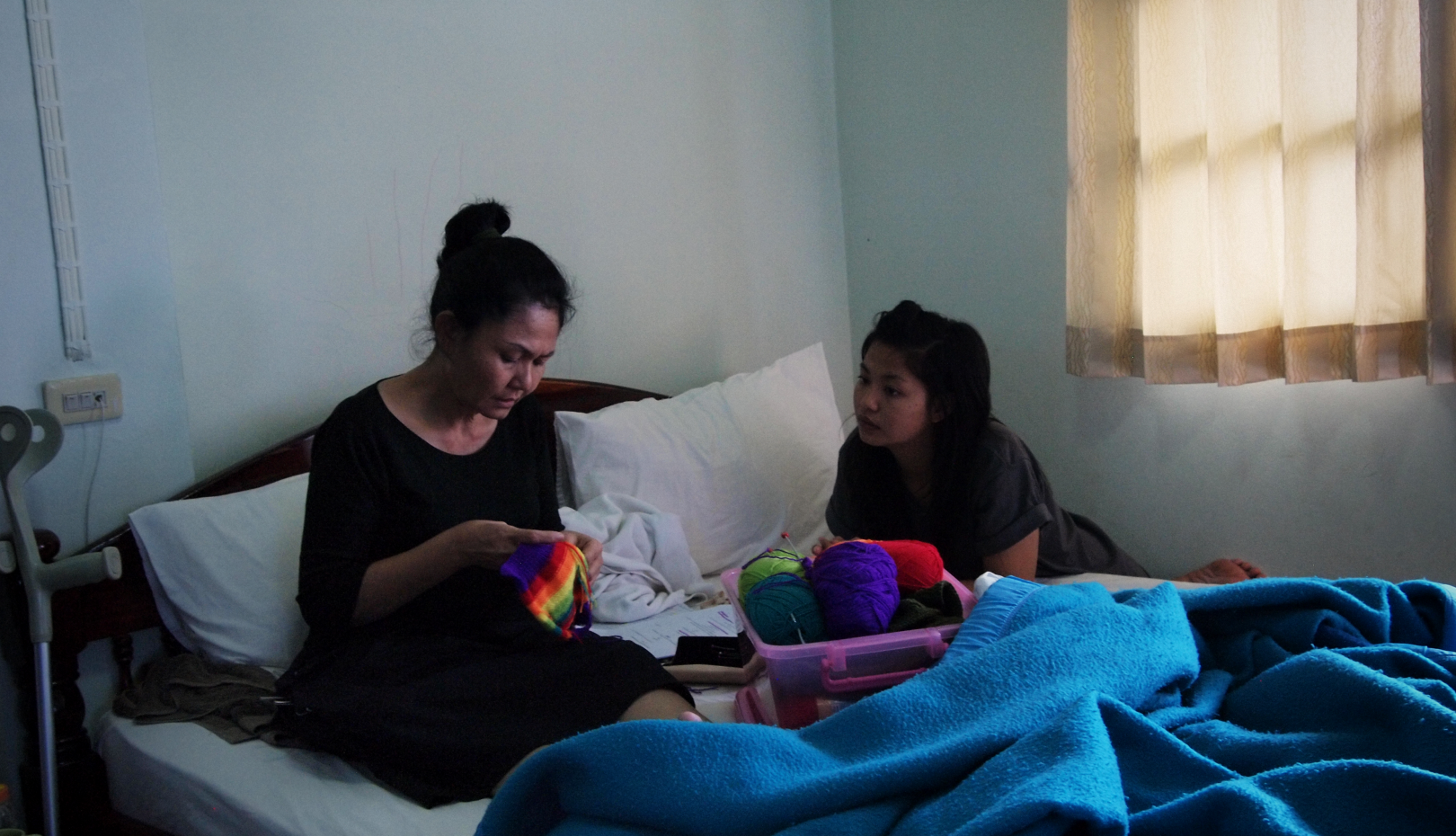
A hotel near the Mekong River in north-eastern Thailand becomes a portrait of place and border. There, the river separates Thailand from Laos. In the bedrooms and terraces, Apichatpong Weerasethakul rehearses with his crew for Ecstasy Garden, a film he wrote years earlier. Woven together with the recurring strains of guitar and the flowing Mekong, fiction and documentary merge into a mesmerising hybrid film. (This film is screened with Sakda (Rousseau).)
DIRECTOR
Apichatpong WEERASETHAKUL
Born in Thailand in 1970, Apichatpong Weerasethakul studied architecture in Thailand and filmmaking in Chicago. His films and installations often explore memory and address personal, political, and social issues. He won the Palme d’Or at the Cannes Film Festival for Uncle Boonmee Who Can Recall His Past Lives (2010), and his first English-language film, Memoria (2021), won the Jury Prize at Cannes.
Highlight Video

-
이전 영화

노래하는 사람
Storytellers
-
다음 영화
사크다(루소)
Sakda (Rousseau)