SYNOPSIS
In the summer of 1982, the Israeli army invaded Beirut. During the invasion, it raided the Palestinian Research Center and looted its entire archive. The archive contained historical documents of Palestine, including a collection of still and moving images. Taking this event as its point of departure, A Fidai Film explores the visual memory of this act of looting, reclaiming and recontextualizing images that are now held in Israeli archives. (This film is screened with UNDR.)
REVIEW
A Fidai Film distills Kamal Aljafari’s long-standing exploration of the political possibilities of archival documentary. In the summer of 1982, the Israeli army invaded Beirut and looted the archive of the Palestine Research Center, which held countless documents on Palestine, including extensive collections of photographs and films. These images were later renamed and re-indexed according to the vision of their new custodian, the Israeli Ministry of Defense. Against this act of seizure and appropriation, Aljafari calls for a cinematic justice that answers plunder.
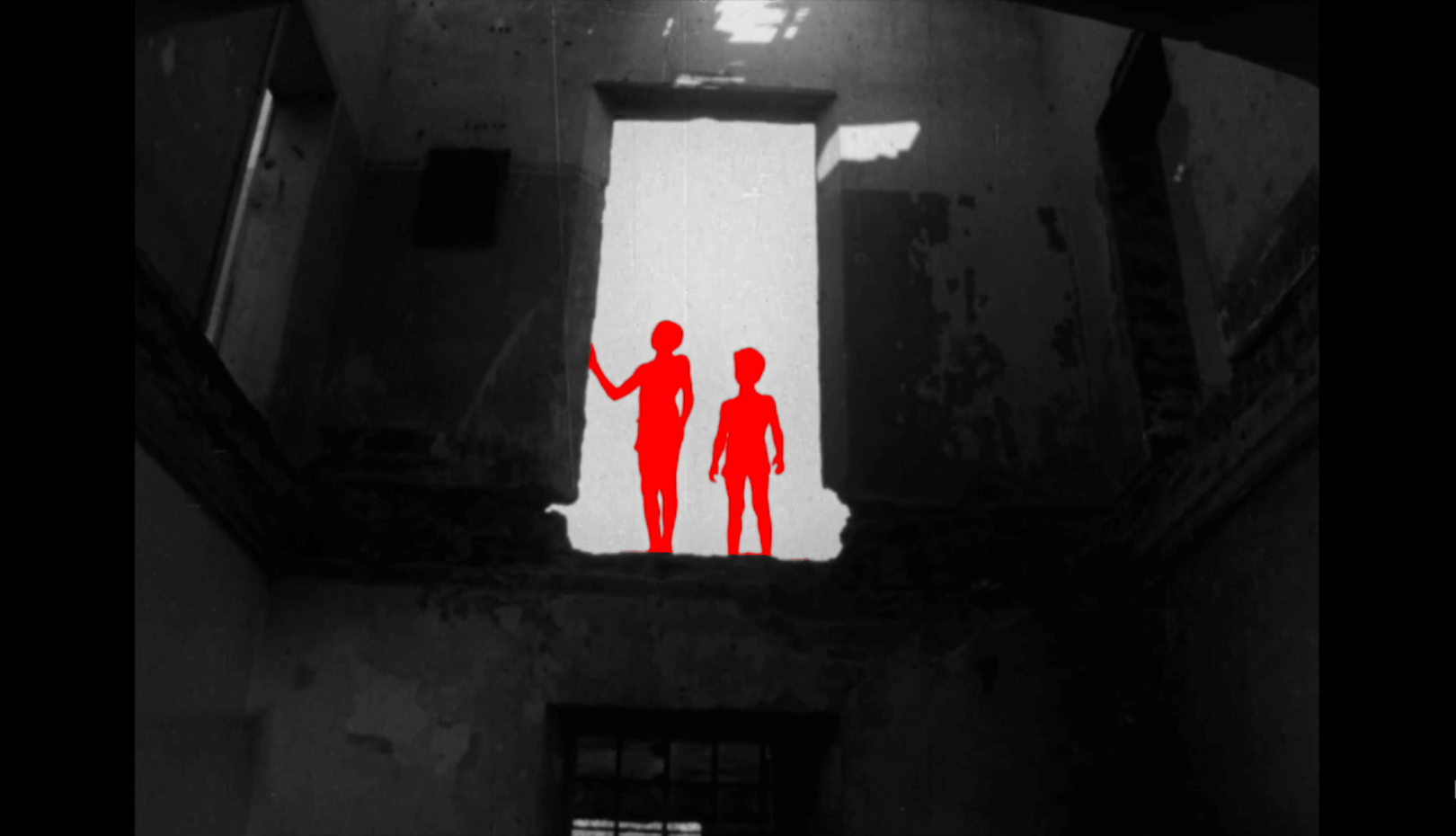
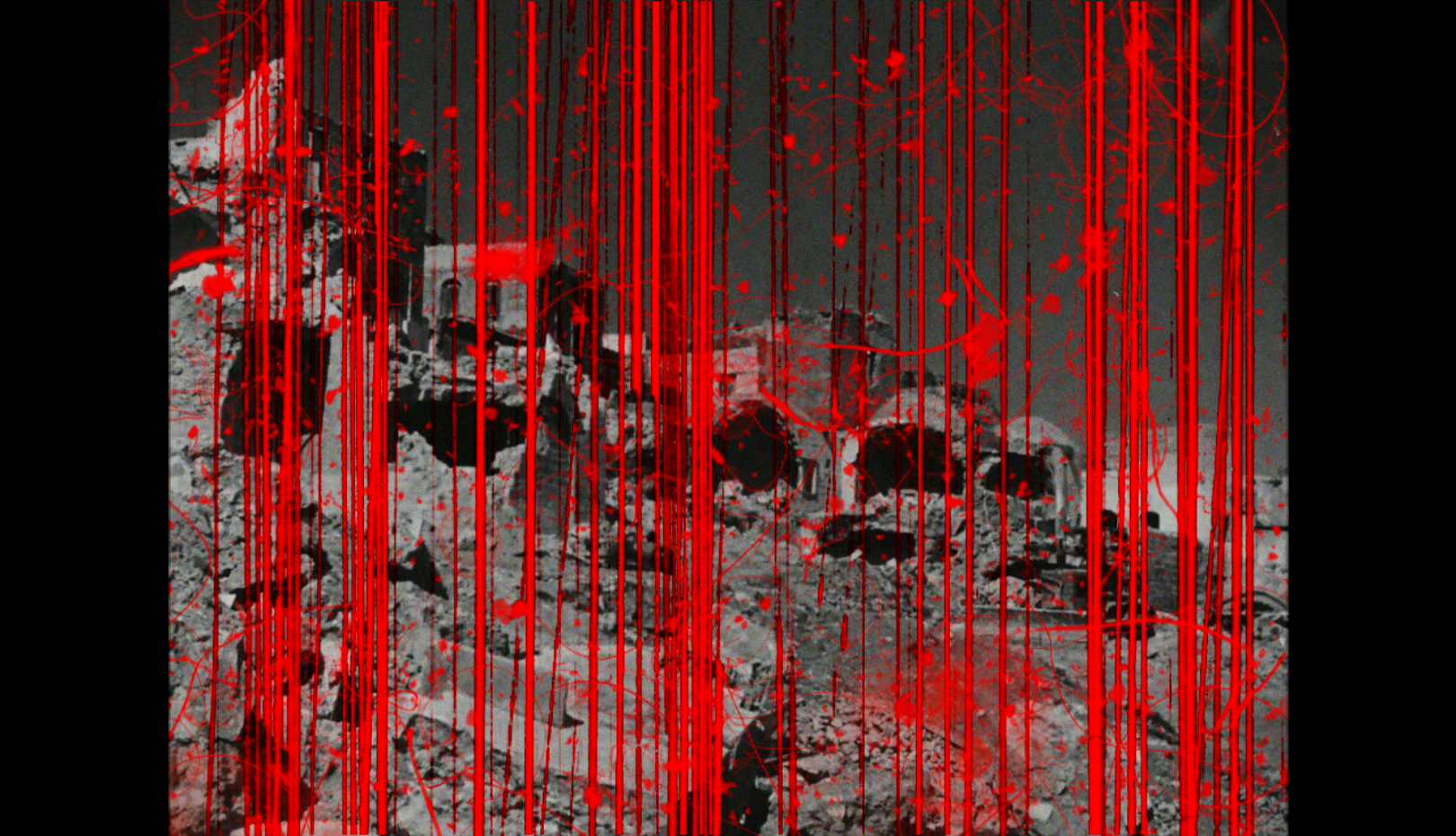
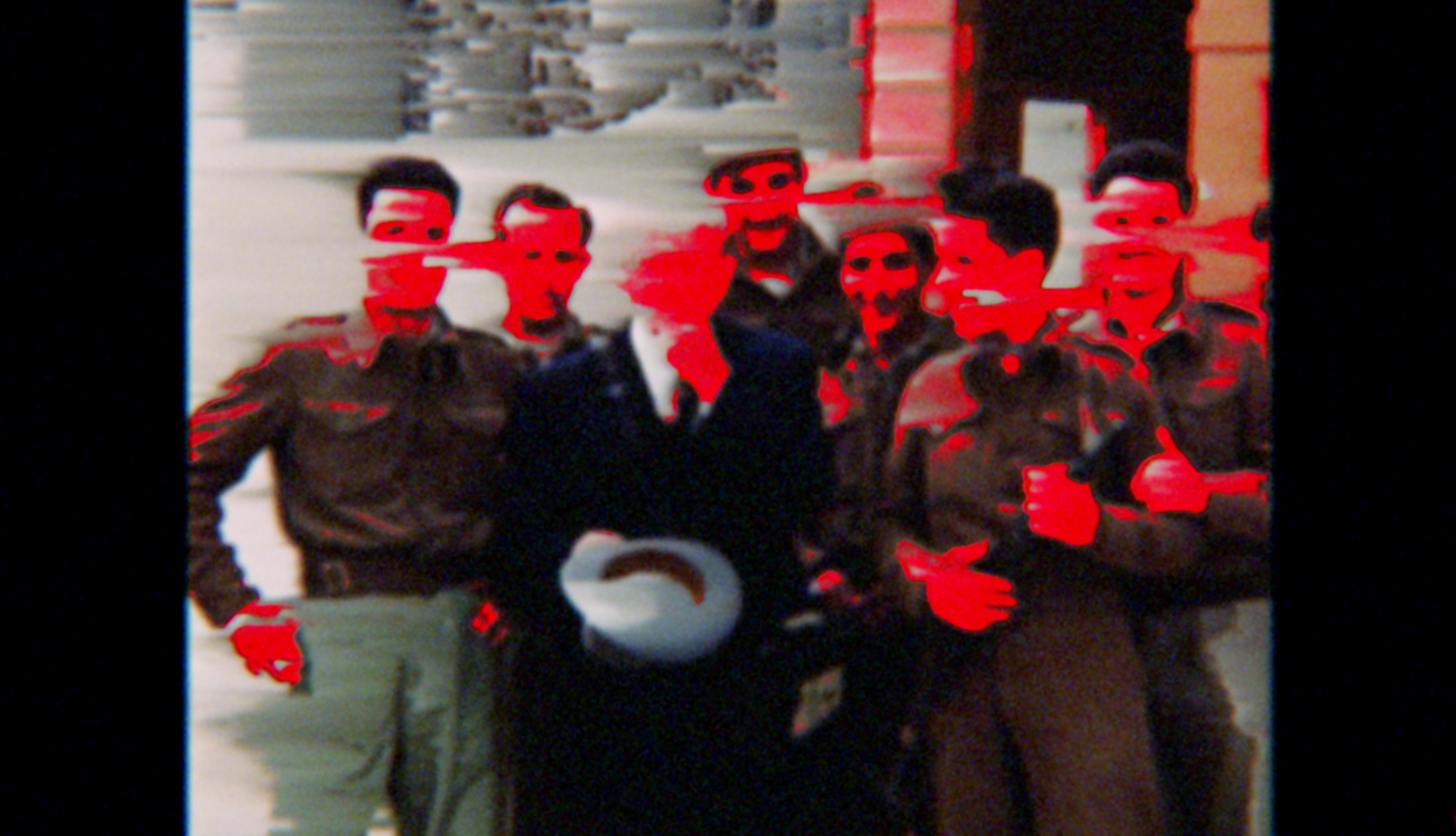
Combining methods of documentary and experimental film, A Fidai Film sharpens our awareness of identity, memory, and the possibility of resistance. Inspired by poetic montage, it expands the expressive potential of archival footage, compelling us to look anew at images once confined to film and television while emphasizing the archive as a political instrument. What do we see, feel, and understand in such records? By removing the occupier’s voice and intervening through additions, erasures, and overpainting, Aljafari exposes imperial ideology and the violence of dispossession. Red markings obscure parts of the frame; figures are cropped out or replaced with other materials. From these gestures emerges a form of artistic resistance—an innovative work that reveals the truth of the present while evoking the invisible presence of a force intent on erasing a people from both history and memory.
DIRECTOR'S NOTE
This is not a film about the past, but about the future that is still possible to define. I am sabotaging the colonial gaze. It is a work that can only begin with putting a mirror in front of colonial archives. What can we see, feel and perhaps comprehend from archival materials found in Israeli institutions, which tirelessly documented everything possible in this country turned into broken pieces year after year? This counter-archive is what I call "the camera of the dispossessed."
CONTACT
Kamal Aljafari Productions | Flavia MAZZARINO | kamalaljafari.productions@gmail.com