SYNOPSIS
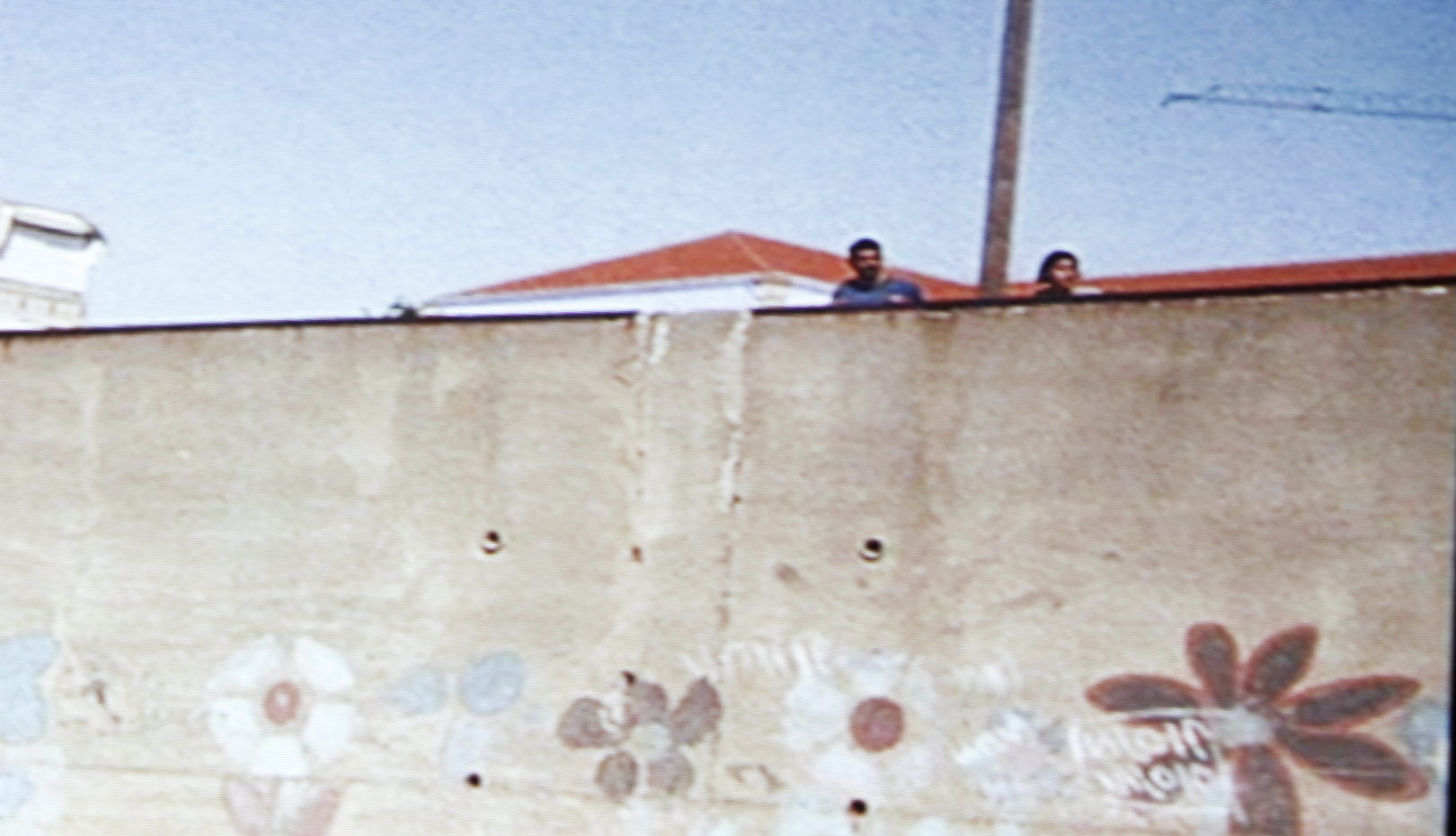
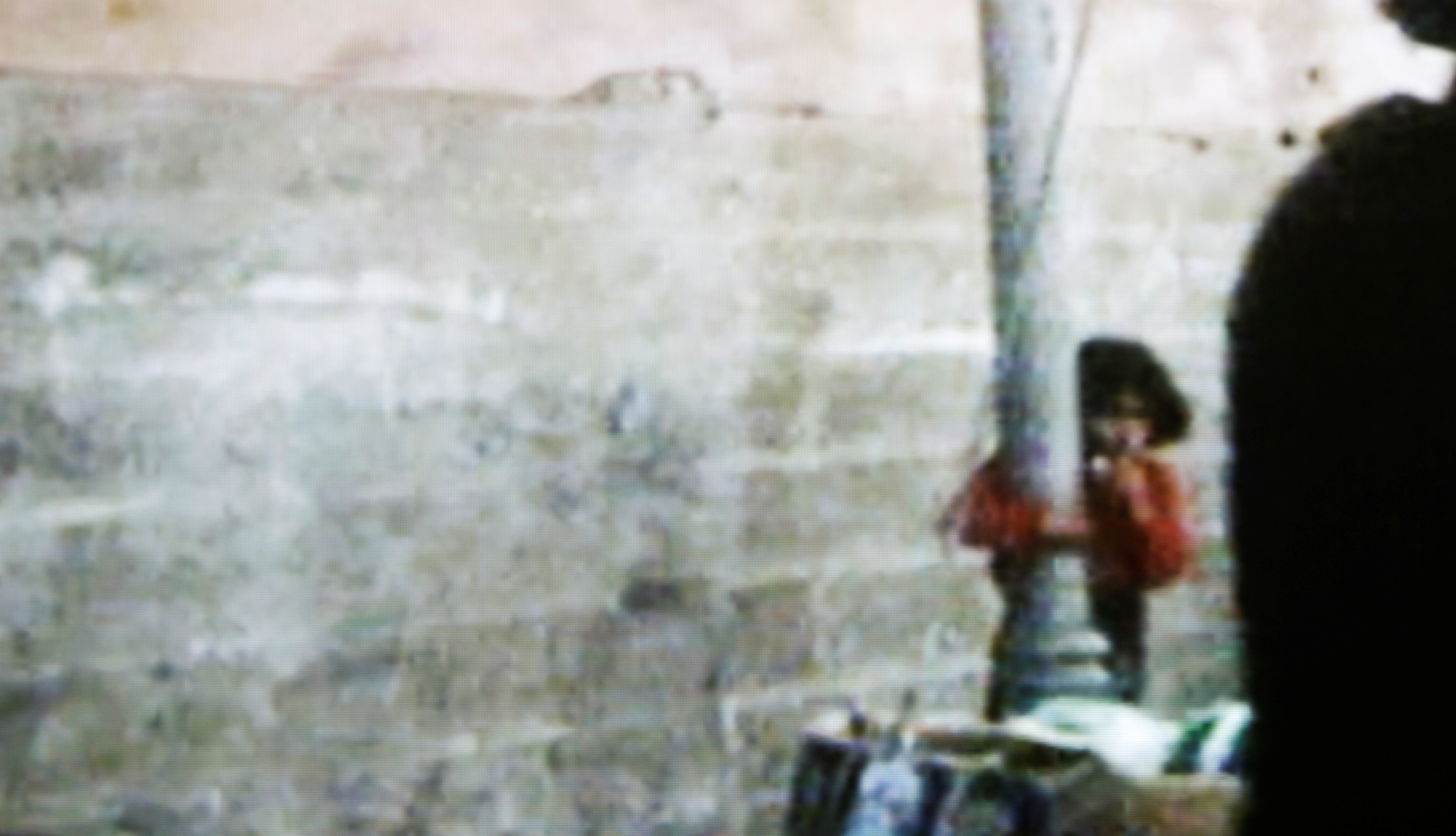
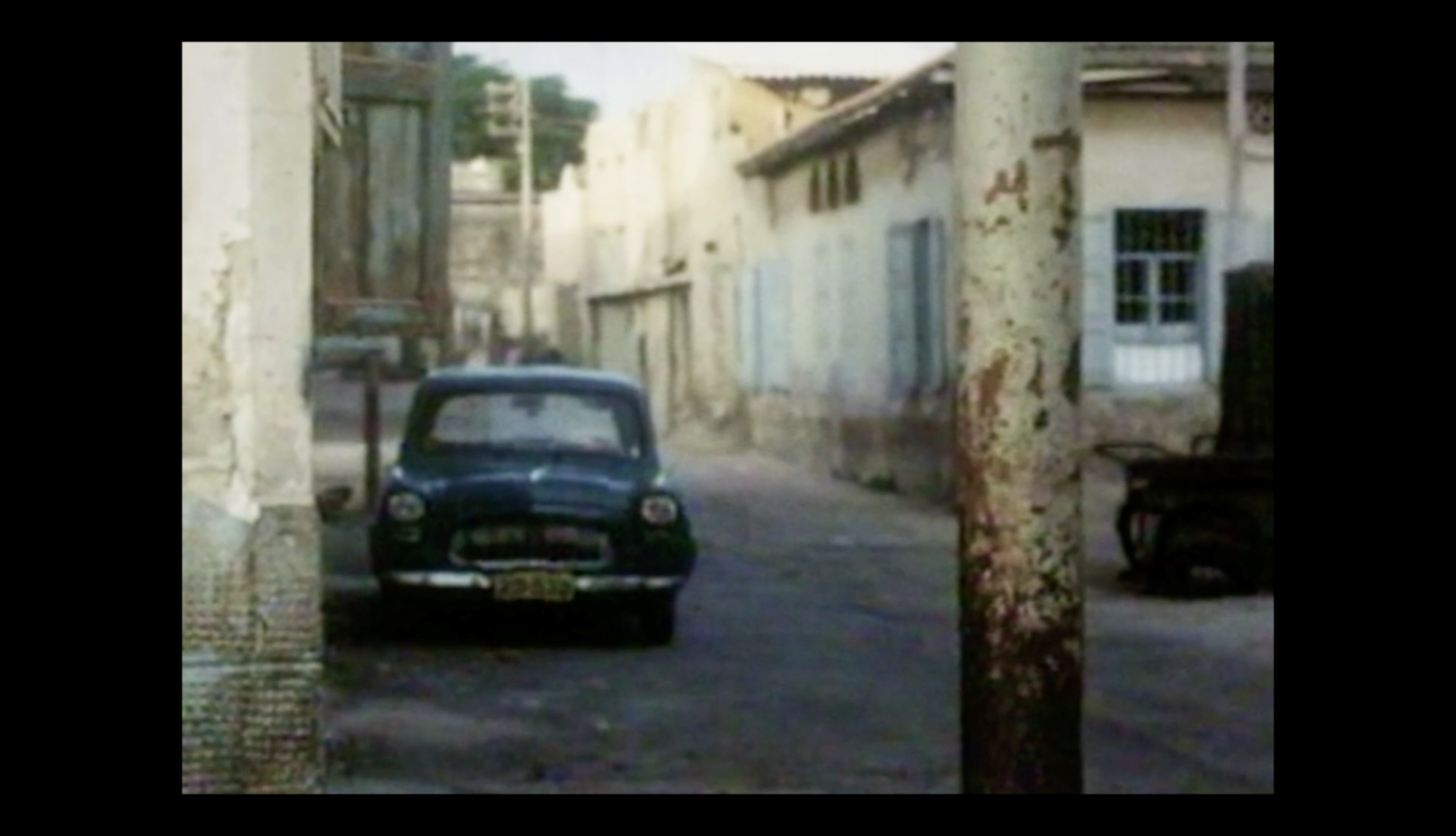
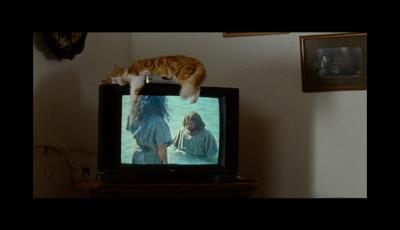
Israeli and American feature films shot in Jaffa between the 1960s and the 1990s become the basis for a history of a dream. All protagonists are removed from the original footage, leaving the town itself as an empty setting. From this first-person perspective, the impossible becomes possible: filming the past and assembling an album of memories from images that remain. (This film is screened with It’s a Long Way from Amphioxus.)
REVIEW
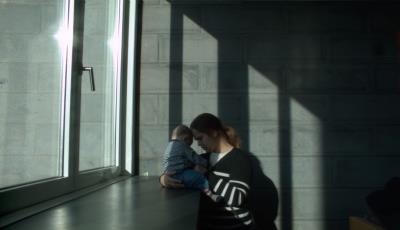
Every image selects, excludes, and establishes hierarchies. In most films produced in Israel, Palestinians are almost entirely absent. Beginning from this recognition, Kamal Aljafari turns his attention to the violence of occupation and to the ways it is transformed within Israeli culture, particularly its cinema. As images move slowly, and at times abrasively, from silhouettes to shadows and from one fragment of the port city of Jaffa to another, sound carries us into the present while excavating the past. We begin to see the spaces where Palestinians once lived and from which they were expelled, gradually confronting a history of destruction, plunder, and exclusion.
In Recollection, Aljafari reverses the operation of Israeli cinema. He erases its actors and gives the frame instead to those who were inadvertently captured in the background. Viewers are invited to experience the images anew: to wander through them, discover overlooked details, listen for faint sounds, and feel the desire to look more deeply. Between the visible and the invisible, Aljafari creates a symphonic visual experience. A masterpiece that examines the relation between seeing and being seen, Recollection intensifies our sensitivity to images and offers a genuinely liberating encounter with cinema.
DIRECTOR'S NOTE
I’ve spent several years collecting Israeli and American fiction films shot in Jaffa, most of which belong to the so-called ‘Burekas Films’ genre, focusing on the impossible relationship between Ashkenazi and Mizrahi—that is, between Western and Eastern Jews—during the early years of Israel’s existence. In most cases, Jaffa is the most frequently used filming location for this type of production, which—ironically—are the only ones to show the city before its destruction. At the same time, however, they were also, in a sense, the architects of that destruction, since, film after film, these blockbusters helped shape the collective imagination—not only in Israel but also in the United States.
CONTACT
Kamal Aljafari Productions | Flavia MAZZARINO | kamalaljafari.productions@gmail.com