SYNOPSIS
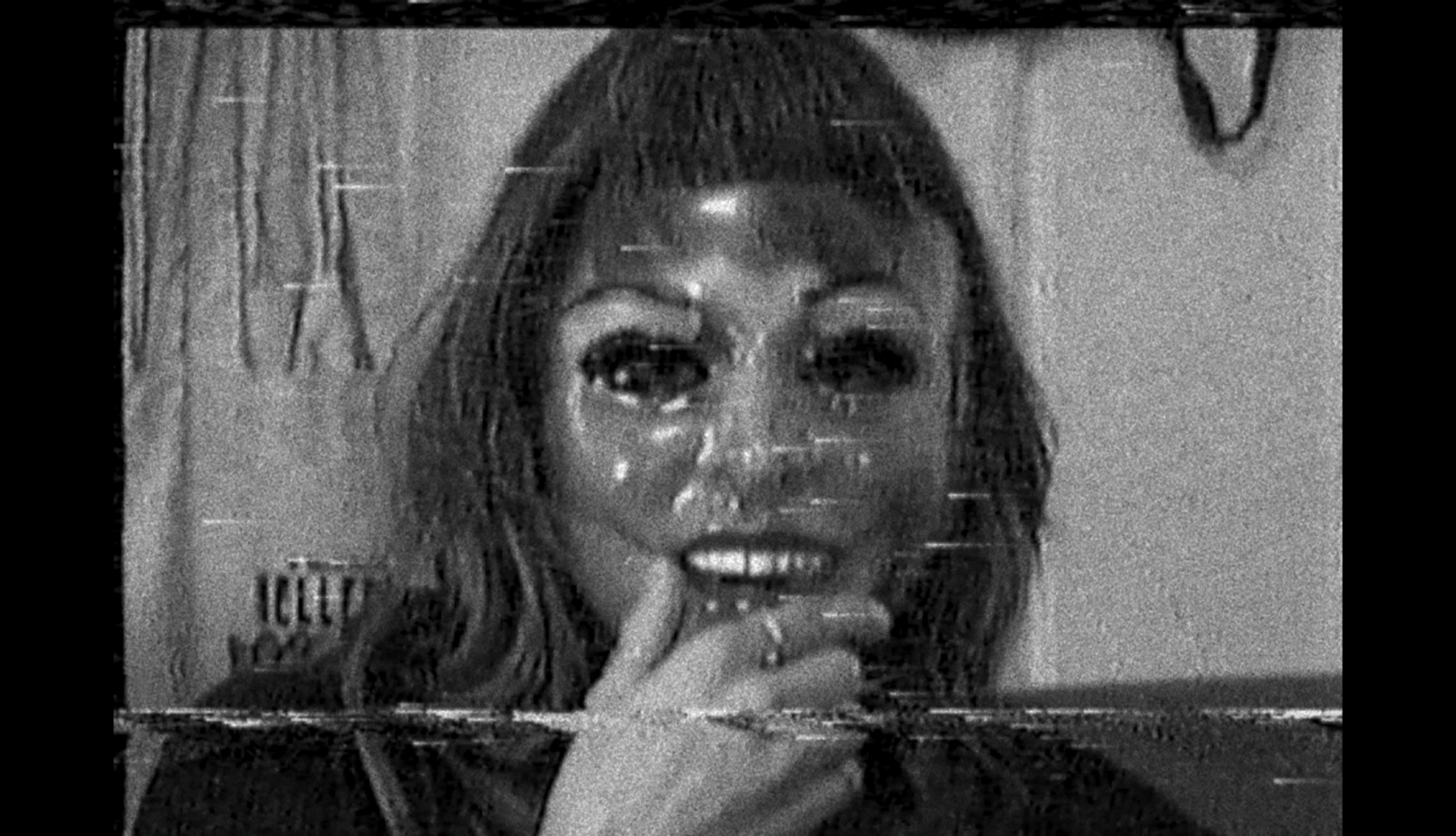
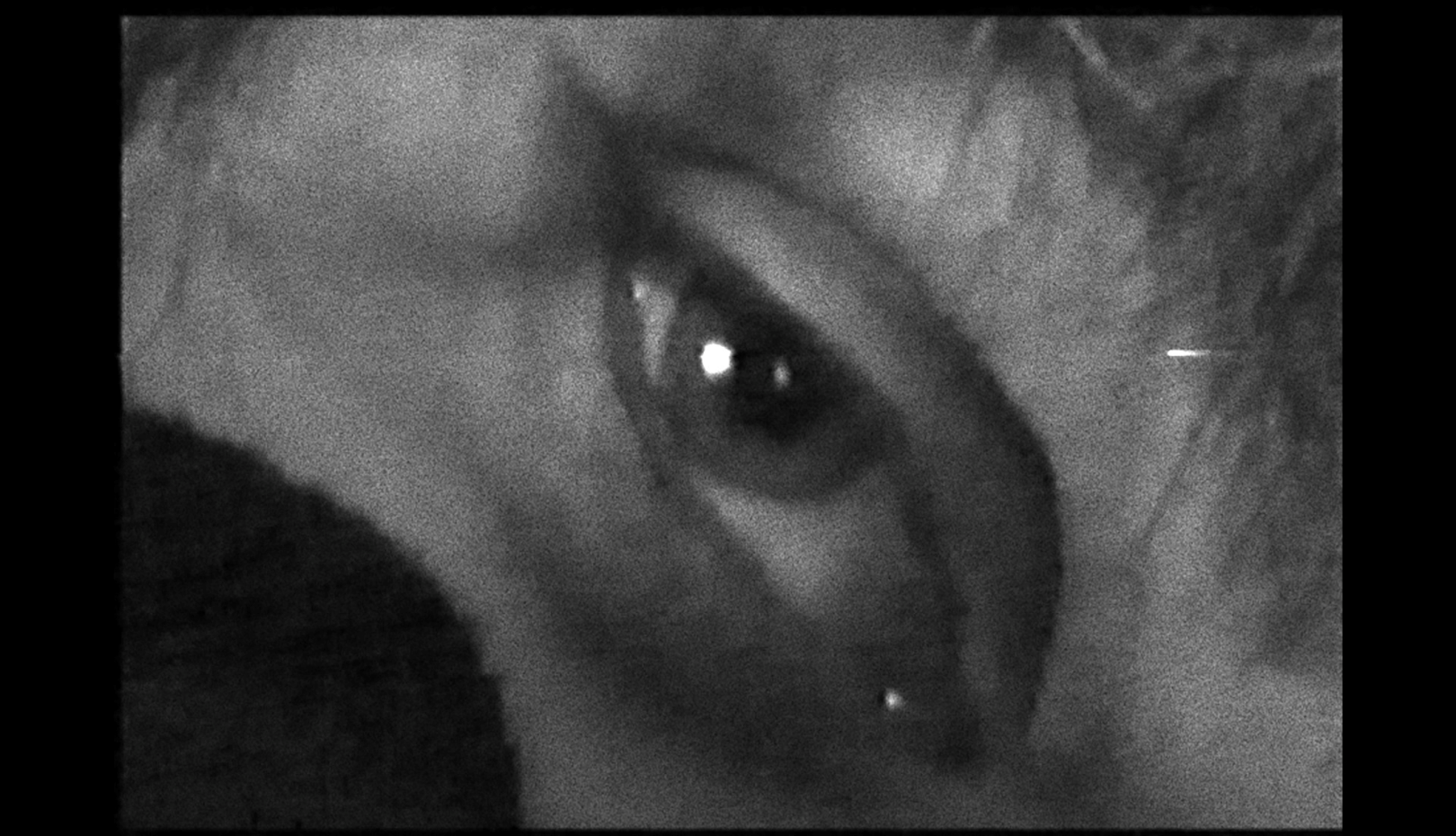
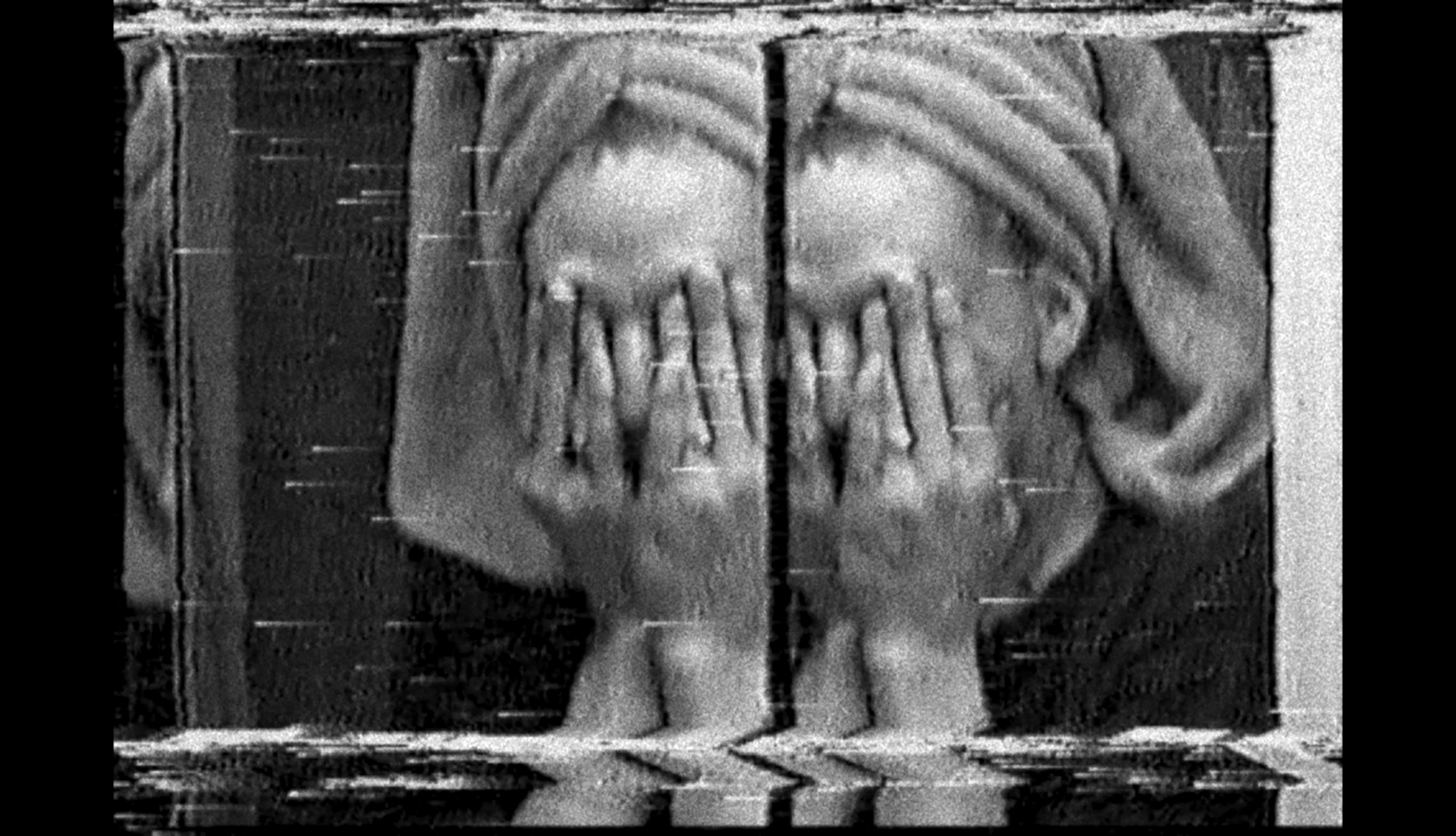
A documentary that explores how a woman's movie collection triggers her infidelity. Created for one viewer—the woman whose confessions are revealed through hypnotic second-person narration.
REVIEW
Cinema can sometimes become the ground on which a person’s most intimate desires are built. Marjorie Conrad’s The Joyless Economy unfolds the inner landscape of a woman through an accumulation of film posters and images. Though it follows a woman whose relationship begins to fracture because of her film collection, the film is not ultimately about infidelity or obsession. Its deeper question concerns how two realms shape one another: a life formed under the influence of cinema, and cinema reshaped by the experience of life.
A second-person narration addressed to herself functions both as confession and as a voice of self-analysis, turning the speaker into an object of her own scrutiny. The film was made for a single viewer, yet paradoxically this private letter summons each audience member’s own memories of cinema. The films she has collected no longer remain other people’s stories. Each image encounters life, becoming a new memory and generating a new narrative.
Exploring the long relationship between human beings and cinema known as cinephilia, The Joyless Economy becomes a small anthropology of how we collect images and invent ourselves within them.
DIRECTOR'S NOTE
I photographed the subject's entire film collection and preserved its order in the edit. She provided the home movies. The spoken words are hers, curated from months of self-recorded responses to my questions. Recognizing how meticulously she chose to present herself, I understood this was as far as we could go. This film presents raw data; even the elusiveness of that data serves as a meaningful layer of information, mapping a life through carefully curated fragments, silences, and self-portrayal.
CONTACT
Underground Video Club LLC | John TUTHILL | johnmumbles@gmail.com