18th DMZ International Documentary Film Festival2026.9.10—16
주 메뉴
Afterlives
Germany, Belgium, France202588minDCPColor12
Korean Premiere
SYNOPSIS
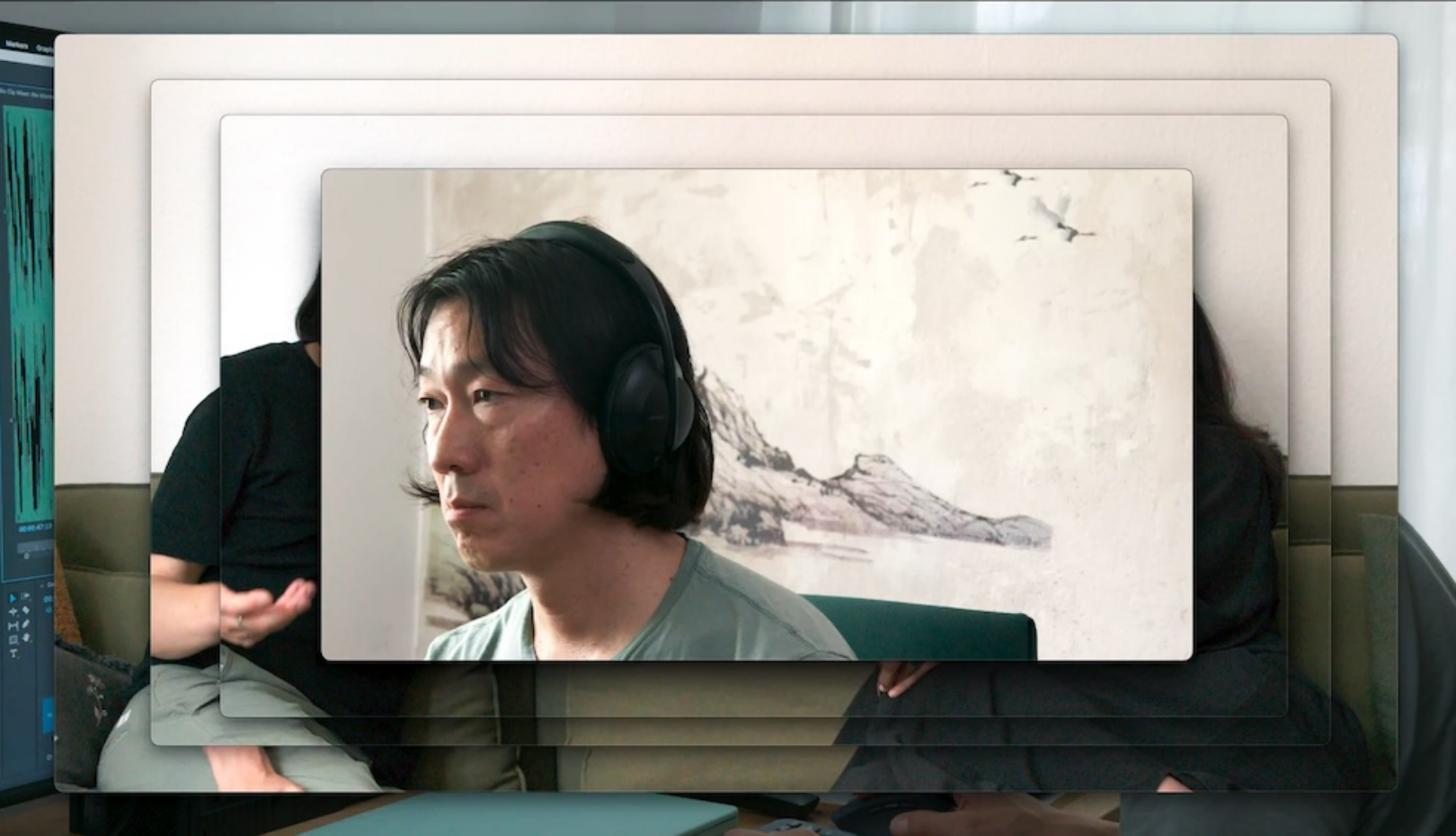
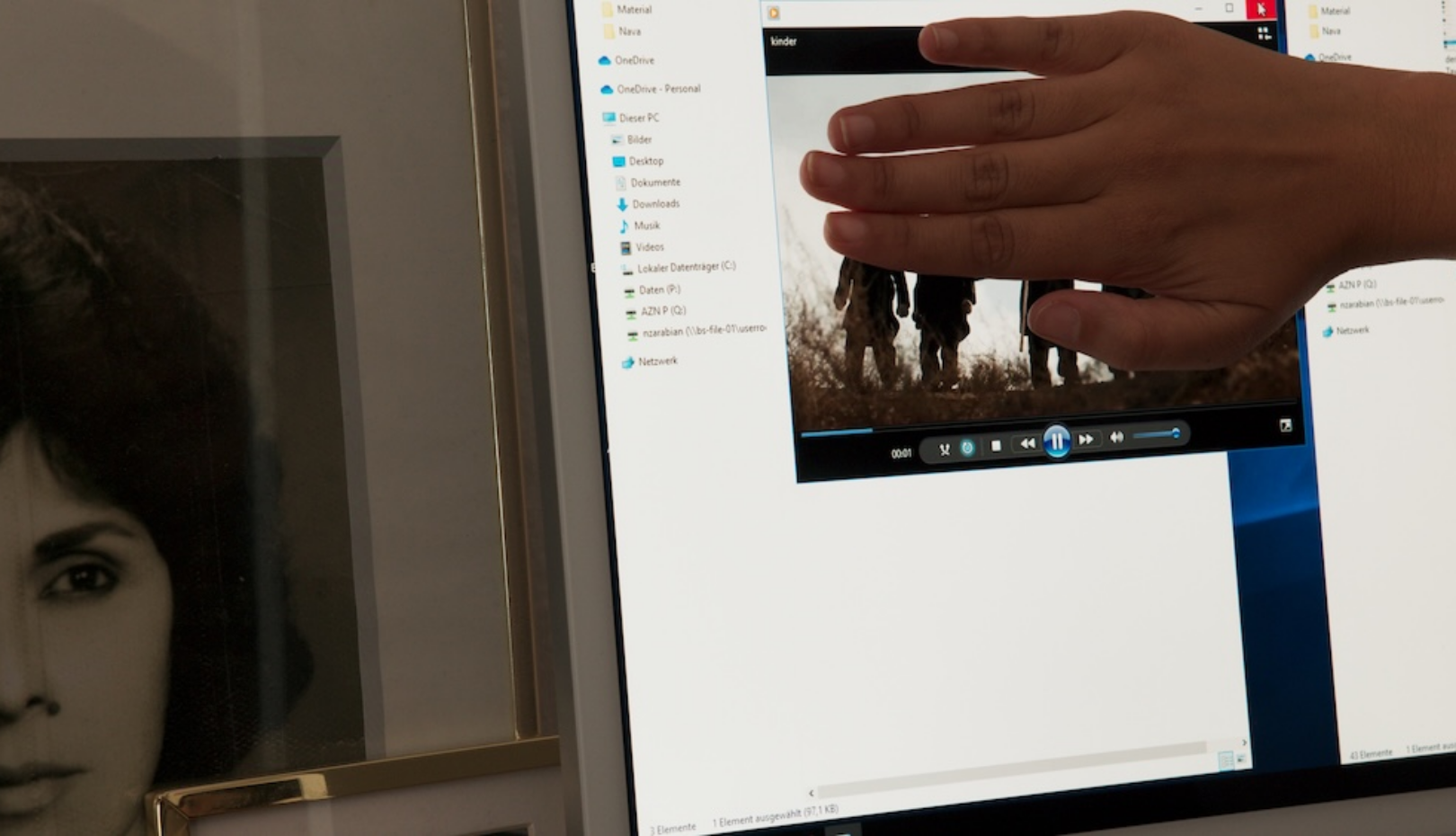
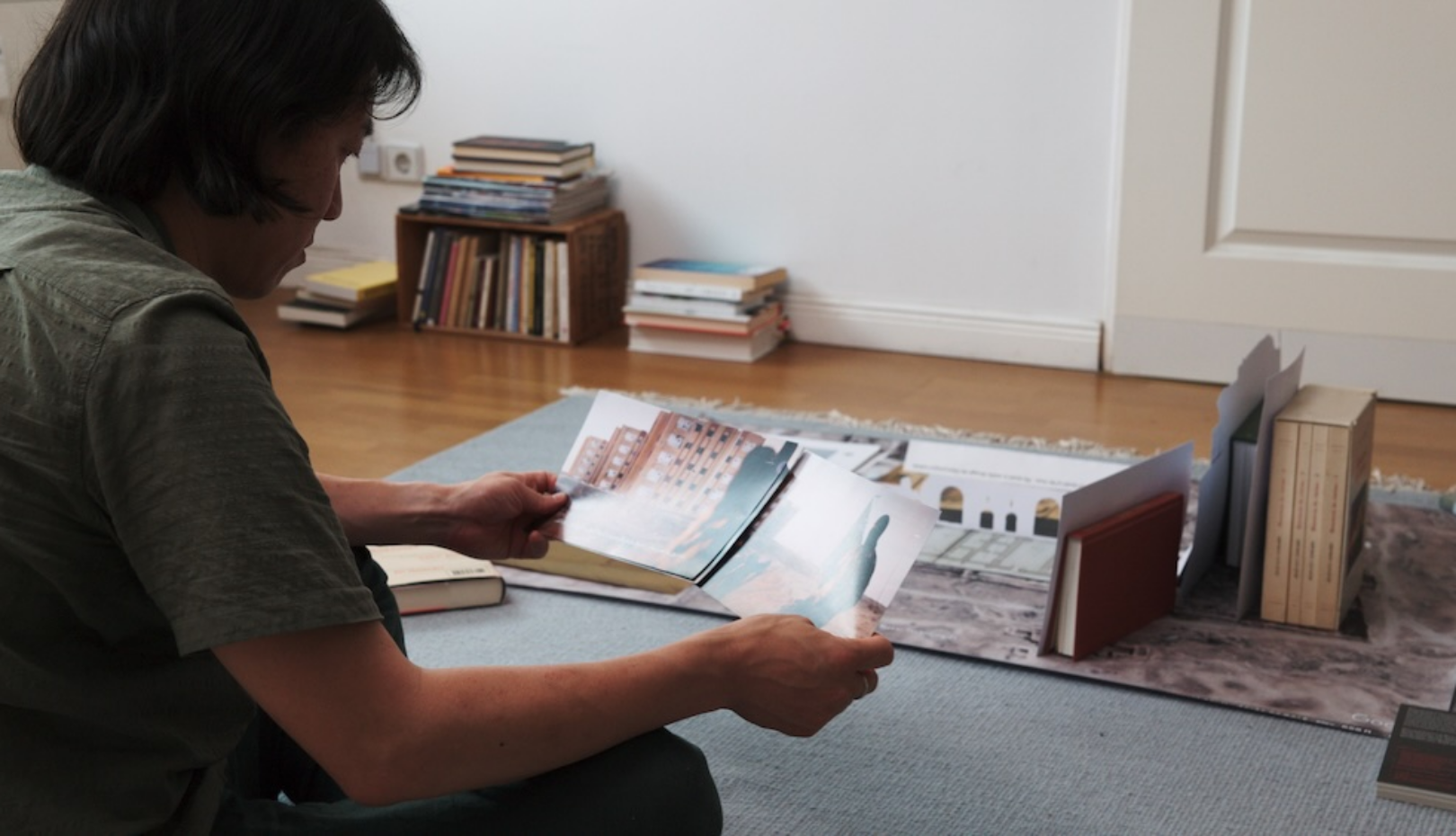
In this desktop documentary, the historical traces of extremist propaganda lead into the afterlives of violent images in digital culture. Through encounters with an artist, an activist, and a researcher, the film explores how individuals and communities confront these images, reclaim agency, and transform them into tools for insight, resistance, and renewal—asking how meaning, responsibility, and collective memory can emerge from an endless stream of images.
DIRECTOR
Kevin B. LEE
Born in the United States in 1975, Kevin B. Lee is a filmmaker, media artist, and critic known for his work in video essays and the desktop documentary format. He made Transformers: The Premake (2014) and co-directed Bottled Songs: My Crush Was a Superstar (2020) with Chloé Galibert-Laîné. Since 2022, he has taught at Università della Svizzera italiana.