SYNOPSIS
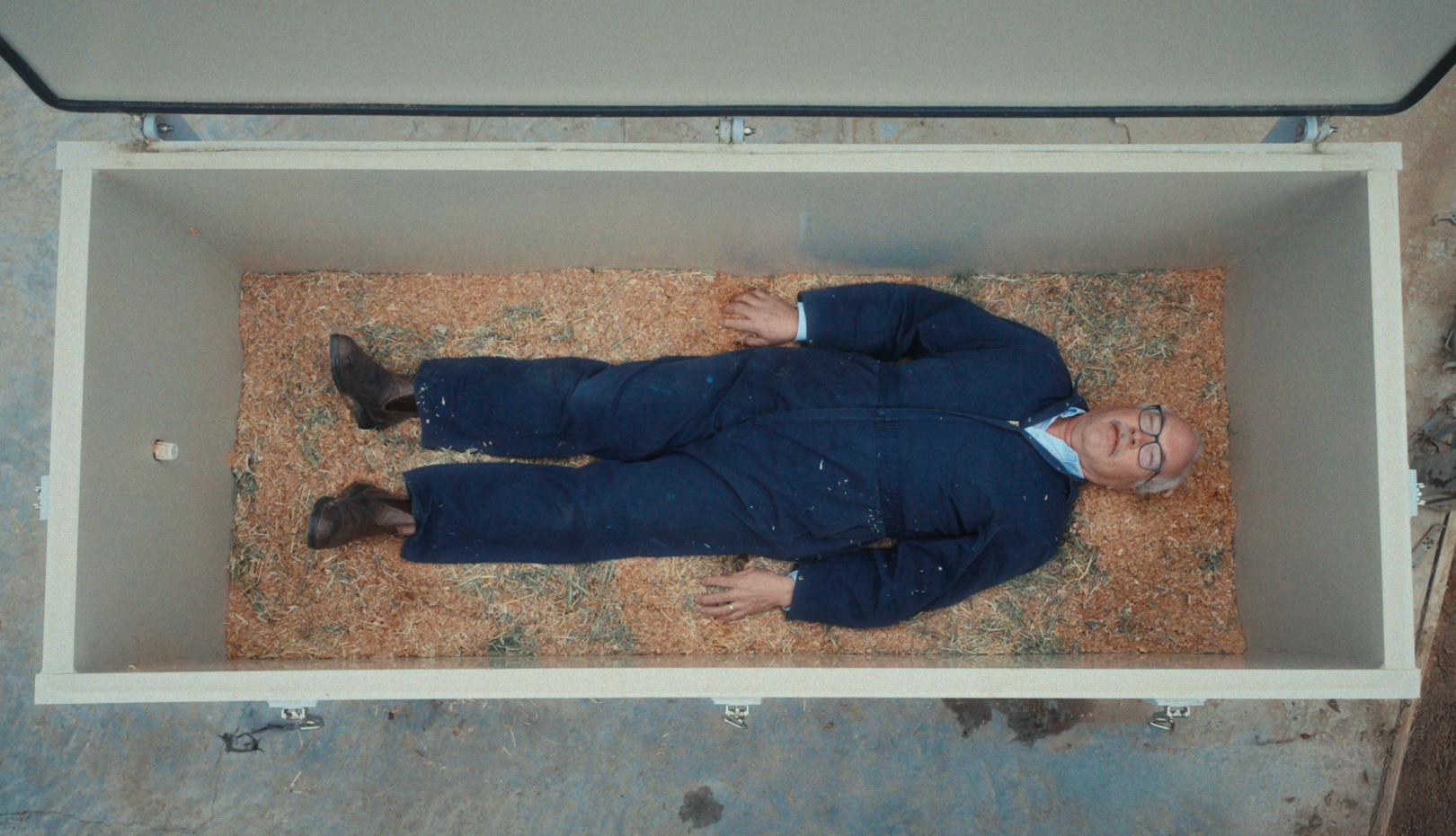
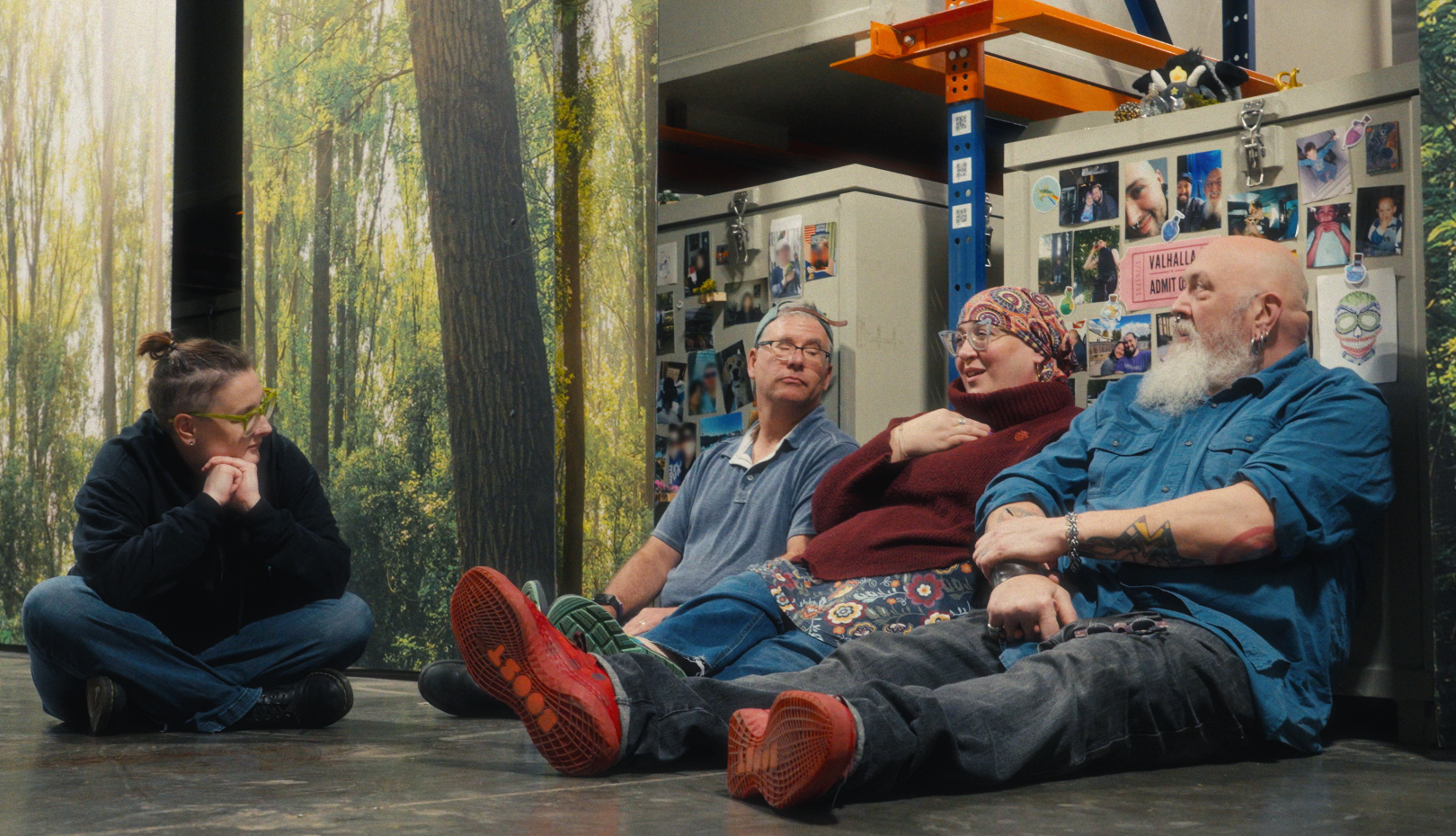
When Washington state became the first place in the world to legalize human composting, entrepreneur Micah Truman risks everything to build the first large-scale terramation facility. As the conventional deathcare industry pushes back, he rethinks his business and learns how to support people through grief with the guidance of funeral directors Brie Smith and Katey Houston. What began as a bold venture becomes an intimate search for connection, ritual, and the legacies people leave behind.
REVIEW
Everyone dies. Faced with this inescapable condition, we tend to understand death as the moment when the movement of life ceases and a lifetime comes to an end. The Life We Leave confronts humanity's long-standing dream of immortality through a new funerary practice: human composting. By turning the body into soil, the film repositions death not as disappearance but as part of a cycle.
Centered on Washington State, the first place in the world to legalize human composting, the documentary closely observes entrepreneurs and funeral professionals undertaking a bold experiment, along with families embracing a new way of saying goodbye. Through the faces and choices of people confronting this controversial practice, the film ultimately asks not how we should dispose of the dead, but what kind of relationship might continue between those who have departed and those who remain.
The human body is no longer merely what is left behind at the end of life, but matter that returns to the earth and gives rise to new life. Refusing to place death in opposition to life, The Life We Leave approaches it through mourning, care, and coexistence, opening a profound reflection on the cycles connecting human beings and nature.
DIRECTOR'S NOTE
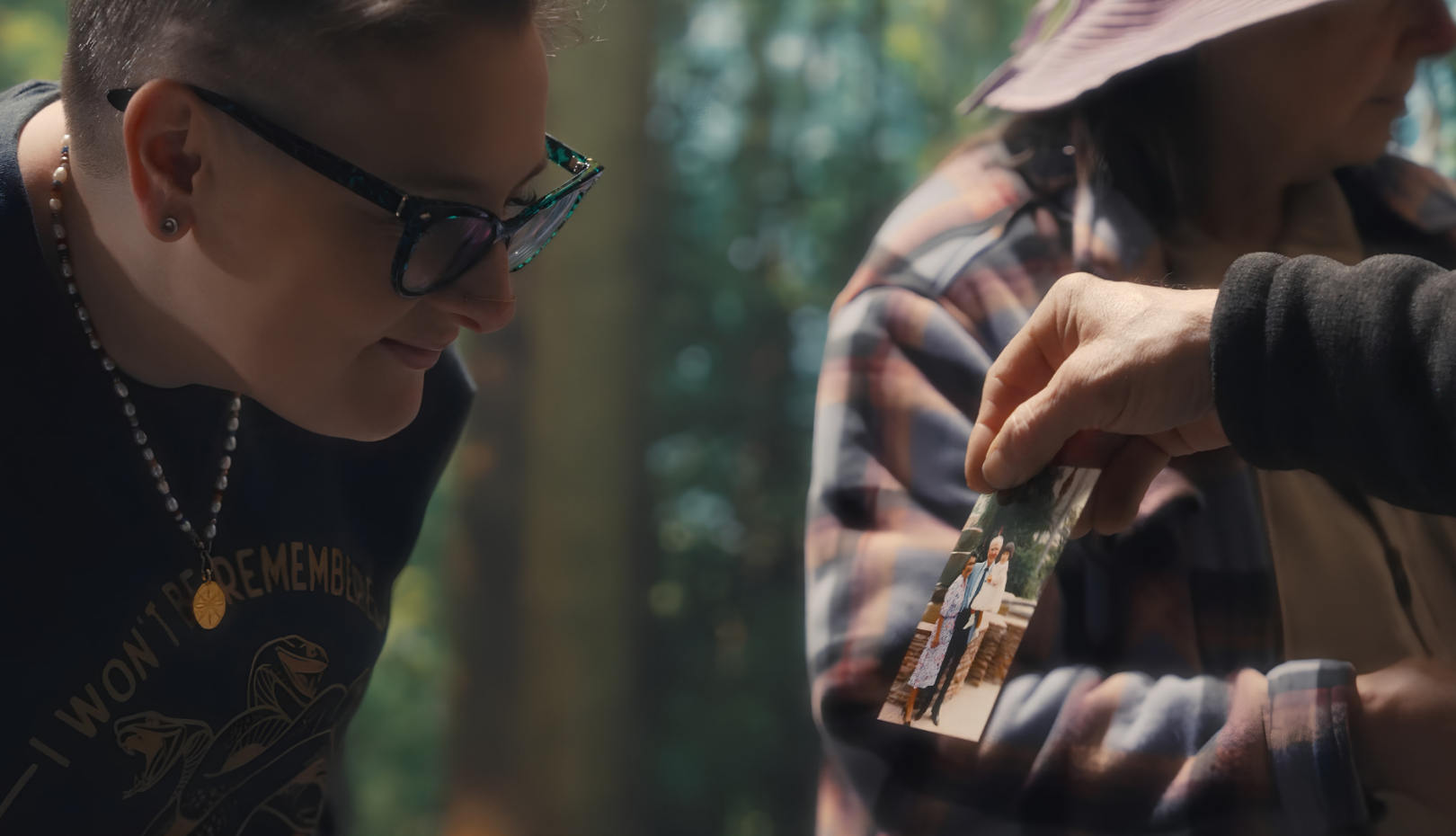
In 2018, my mother passed away in a hospital, leaving me burdened with a profound sense of failure for not fulfilling her wish to die at home. Receiving her surprisingly heavy box of ashes felt like a cold transaction. Two years later, the birth of my son, who carried her chin, confronted me with both life and death. Discovering human composting opened a new perspective. Observing the families transformed by this choice and the caregivers guiding them shifted my understanding of loss. This journey reveals death not through fear, but as a path of care, connection, and continuity.
CONTACT
Axelle JEAN | axelle@cinephil.com