SYNOPSIS
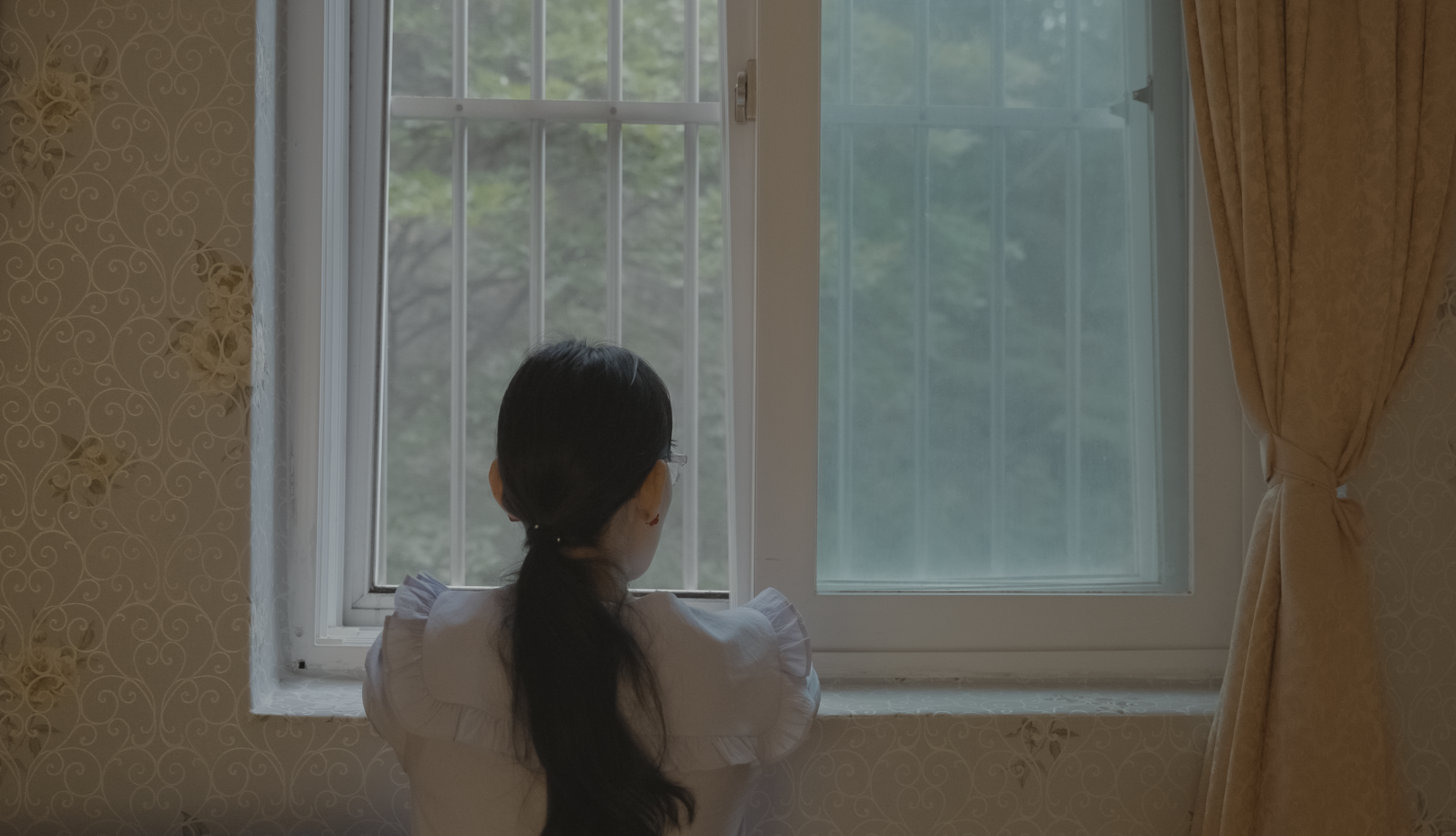
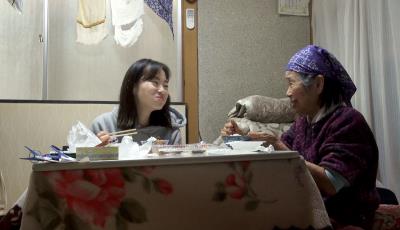
Eunju rises before the wake-up music and begins her day by a fixed schedule, a rhythm familiar to someone who has lived only in an institution. When given a chance to live independently, she gathers the courage to leave. At forty-three, Eunju has a room of her own for the first time. Yet society moves too quickly, and daily life demands skills she was never taught. Behind the closed doors of her apartment, freedom gives way to exclusion, discrimination, and loneliness.
REVIEW
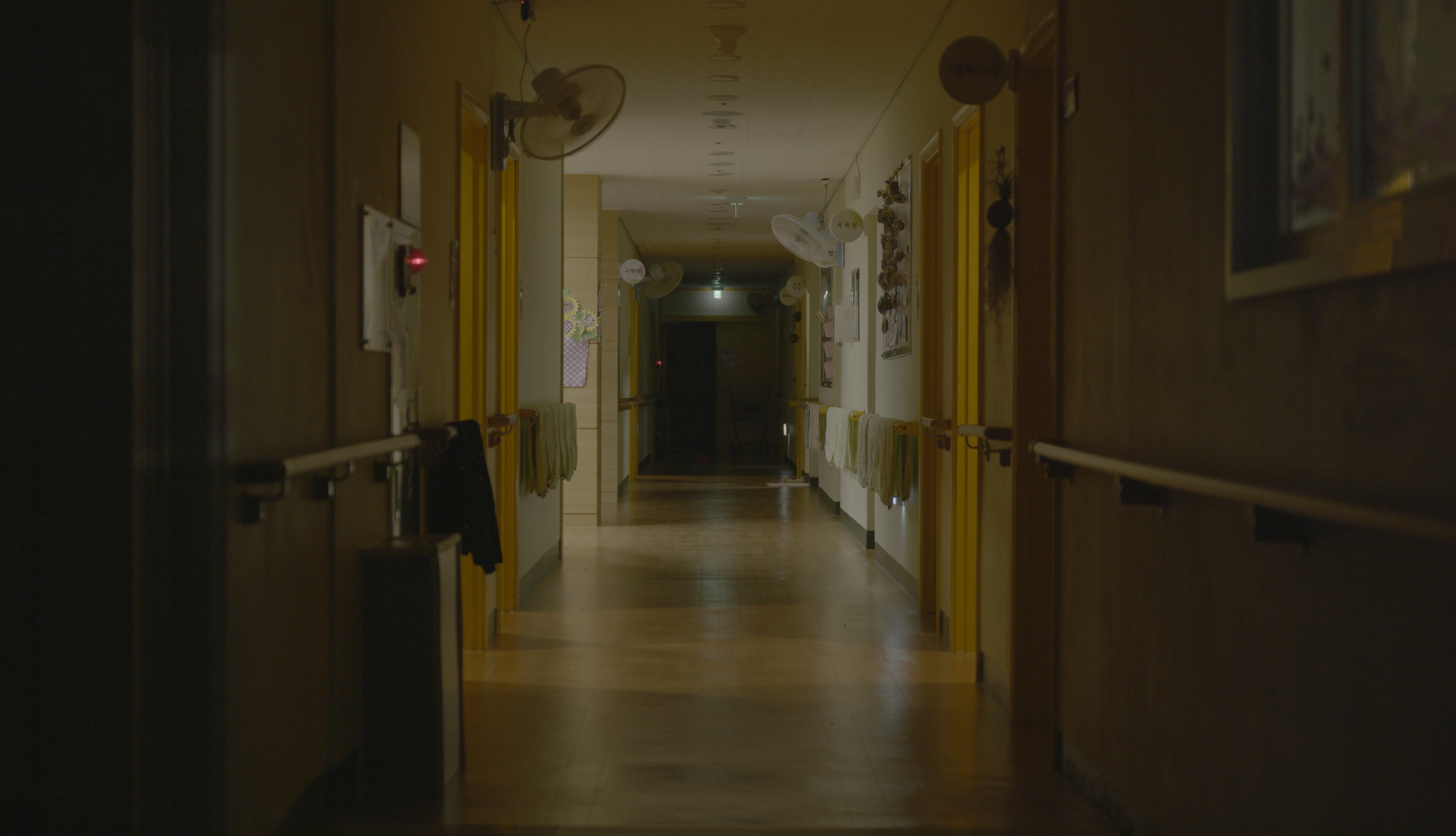
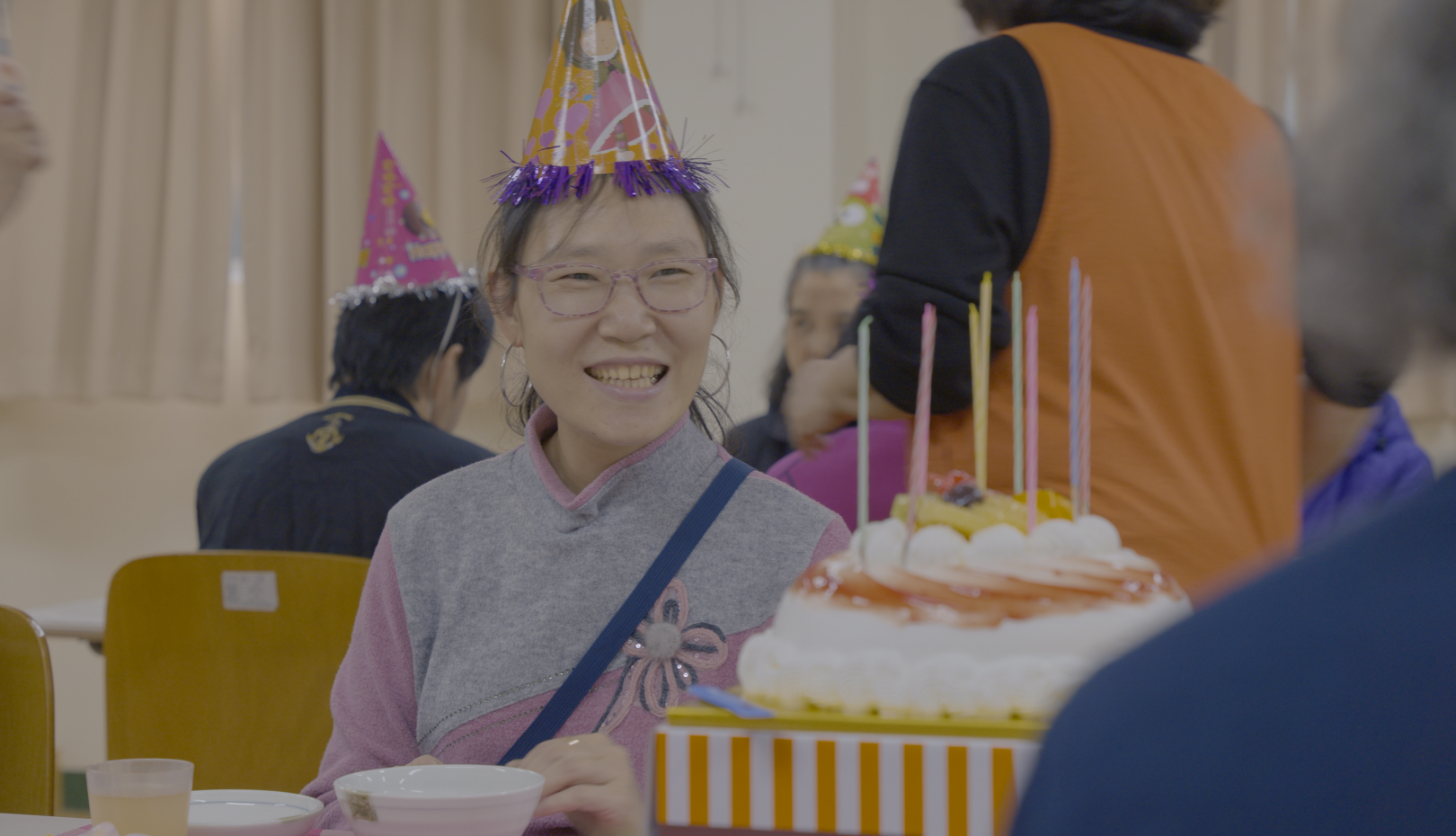
Eunju has lived in an institution for 43 years. For her, it is a familiar and comfortable place to call home. She wakes before the scheduled morning bell, washes, works at a cafe within the institution, and moves through a community where she knows everyone. As Eunju herself says, at least here no one uses her illness to demean her. At first, Eunju is content with life in the institution and has no desire to leave. Gradually, however, she finds the courage to try living on her own outside its walls. After preparing diligently and looking toward the future with hope, she finally begins a new life. Yet everyday life in the outside world proves far more difficult than she had imagined. At a time when even those who have always lived in the wider community often struggle to keep pace with its demands, the transition is especially daunting for someone who has spent most of her life in an institution. Deinstitutionalization opens up new possibilities, but independent living also brings unfamiliar anxieties and disorientation. Herein lies the film’s central paradox. Institutions are generally understood as places that restrict individual freedom and separate people from society. For Eunju, however, the institution is also a refuge from the humiliation and stigma of the outside world—a familiar community to which she can return when loneliness becomes overwhelming. The film therefore moves beyond a simple debate over institutionalization versus deinstitutionalization, as well as familiar appeals to raise awareness about schizophrenia. Instead, it asks whether our society has built the systems, relationships, and networks of care necessary to support both an individual’s independence and their place within a shared community.
DIRECTOR'S NOTE
Some people live as though they do not exist. Few know that more than a hundred women have spent decades together in a large psychiatric care institution. Eunju, who has lived there since birth, says she wants to leave and build a life of her own. The camera stays close as she makes this decision, confronts an unfamiliar world, and wavers between hope and fear while testing what life beyond the institution might allow. As freedom reaches Eunju in meanings and sensations she has never known, her journey asks how closely we truly see one another—and returns that question to those living outside the institution.
CONTACT
KIM Hei | heiiiiikim@gmail.com