SYNOPSIS
Soram visits her aging grandmother, who prepares dinner while struggling to breathe. Years later, after leaving home and taking on housework for the first time, she begins to understand the weight of “domestic labor.” Reflecting on the invisible work carried by her mother and grandmother for decades, she questions how housework is divided, valued, and gendered. Through conversations with friends and care workers, she discovers the reality of domestic labor: essential to sustaining life, yet still unequally distributed.
REVIEW
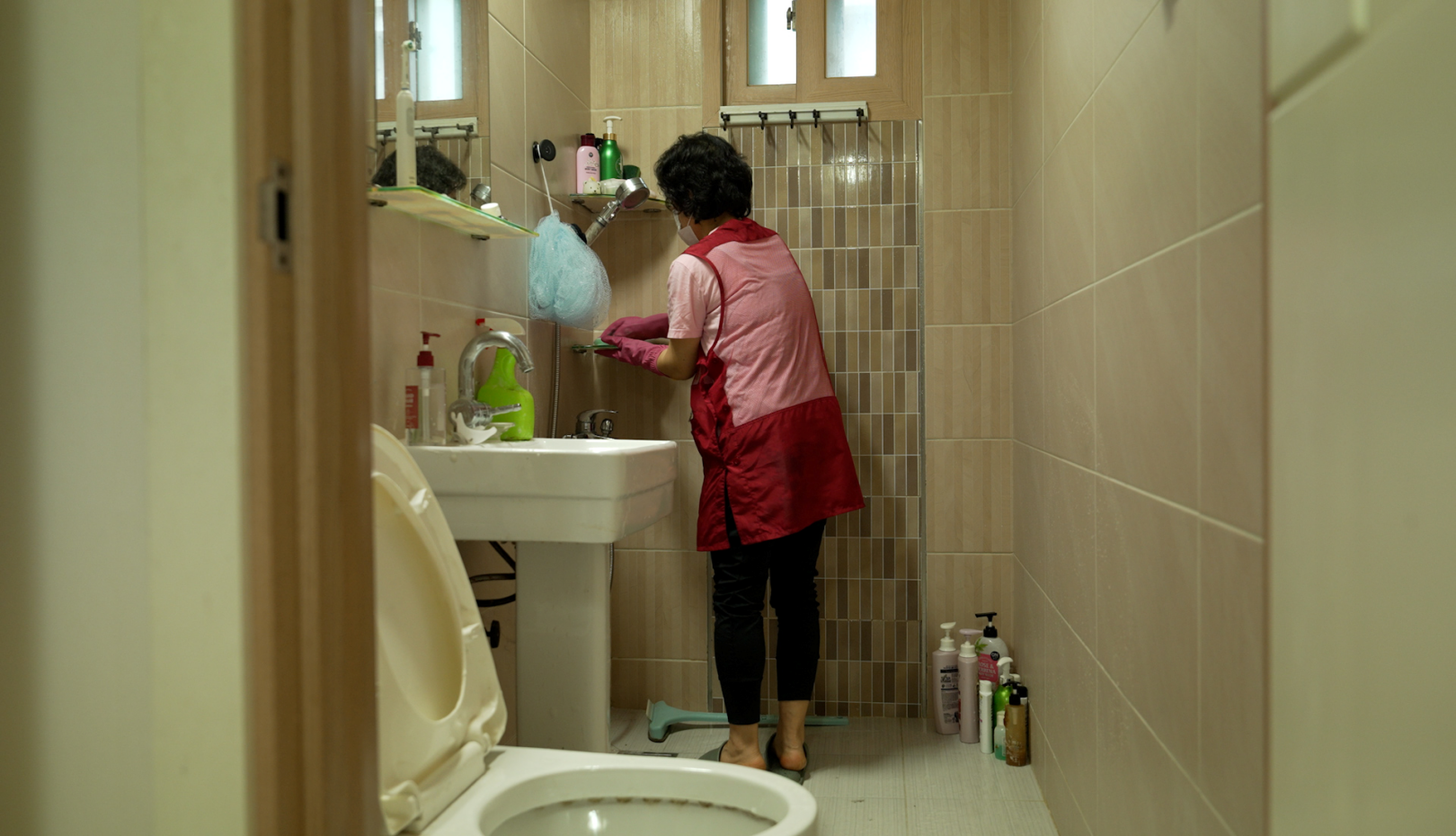
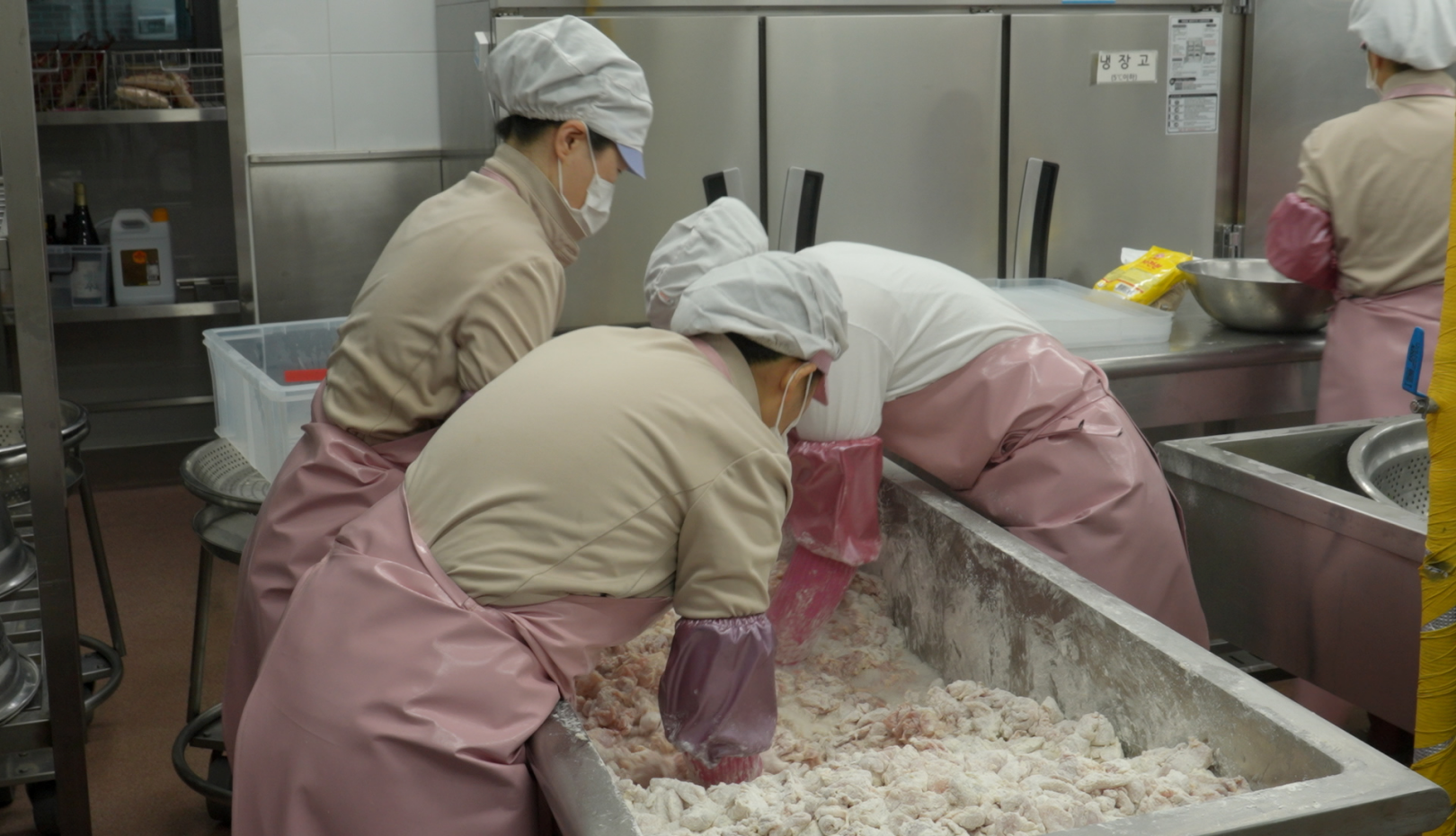
Socks may be ordinary household objects, but they often become a source of tension between those who leave them lying around and those who wash, fold, and put them away. They are also a familiar symbol of domestic labor. Yet the true subject of the film is not the “socks” named in its Korean title, but the question of “who.” The people who perform the household labor those socks represent can be found everywhere in society. The film begins in the kitchen where the director’s grandmother works and eventually returns there. Yet her kitchen is more than the private space of a single family. Meals are prepared not only in homes, but also in school cafeterias and workplace canteens. Cleaning may be part of caring for one’s own living space, but it is also the paid labor of domestic workers and professional cleaners. While younger generations are increasingly negotiating and sharing chores at home, household labor beyond the home still falls largely to low-paid women workers. When domestic labor stops, everyday life quickly begins to unravel. When it is carried out smoothly, however, it becomes almost invisible. Following the hands and voices of people working across different spaces, the film brings those who do this essential work into the center of the frame. Some, like the director’s grandmother, have come to regard washing, folding, and putting away socks as a duty that naturally belongs to them. But one thing remains clear: socks never wash, fold, and put themselves away.
DIRECTOR'S NOTE
Who Does the Chores? begins with the premise that seemingly rational and efficient choices can reinforce a gendered division of labor. The film examines how the outsourcing of work deemed “necessary but trivial” capitalizes on the patterns of gendered labor established within households. In doing so, does it not further reinforce the roles of those who perform the work and those who have it done for them?
CONTACT
KIM Soram | rawvom@gmail.com