SYNOPSIS
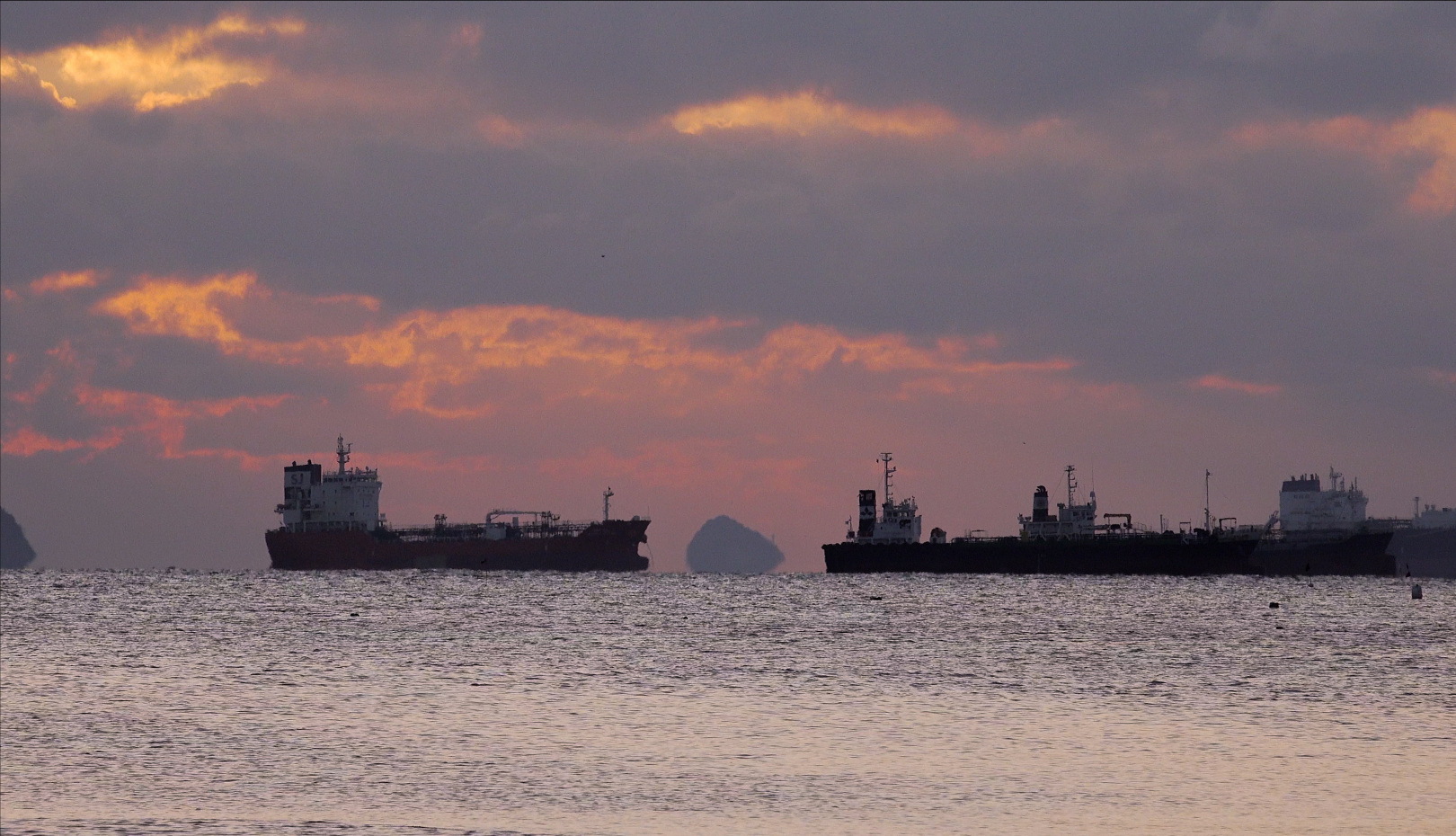
In 1948, a red wave rose. From Yeosu to Busan, the filmmaker traces lives and memories layered along the sea. The Yeosu-Suncheon Incident erupted when soldiers stationed in Yeosu refused orders to suppress the Jeju 4·3 uprising, and many civilians were killed during the Rhee Syngman government's crackdown. After the Korean War began, the government branded National Guidance Alliance members as communists and carried out massacres nationwide. Beyond the killing sites in both cities lies the sea, along which state violence flowed from Yeosu to Busan.
REVIEW
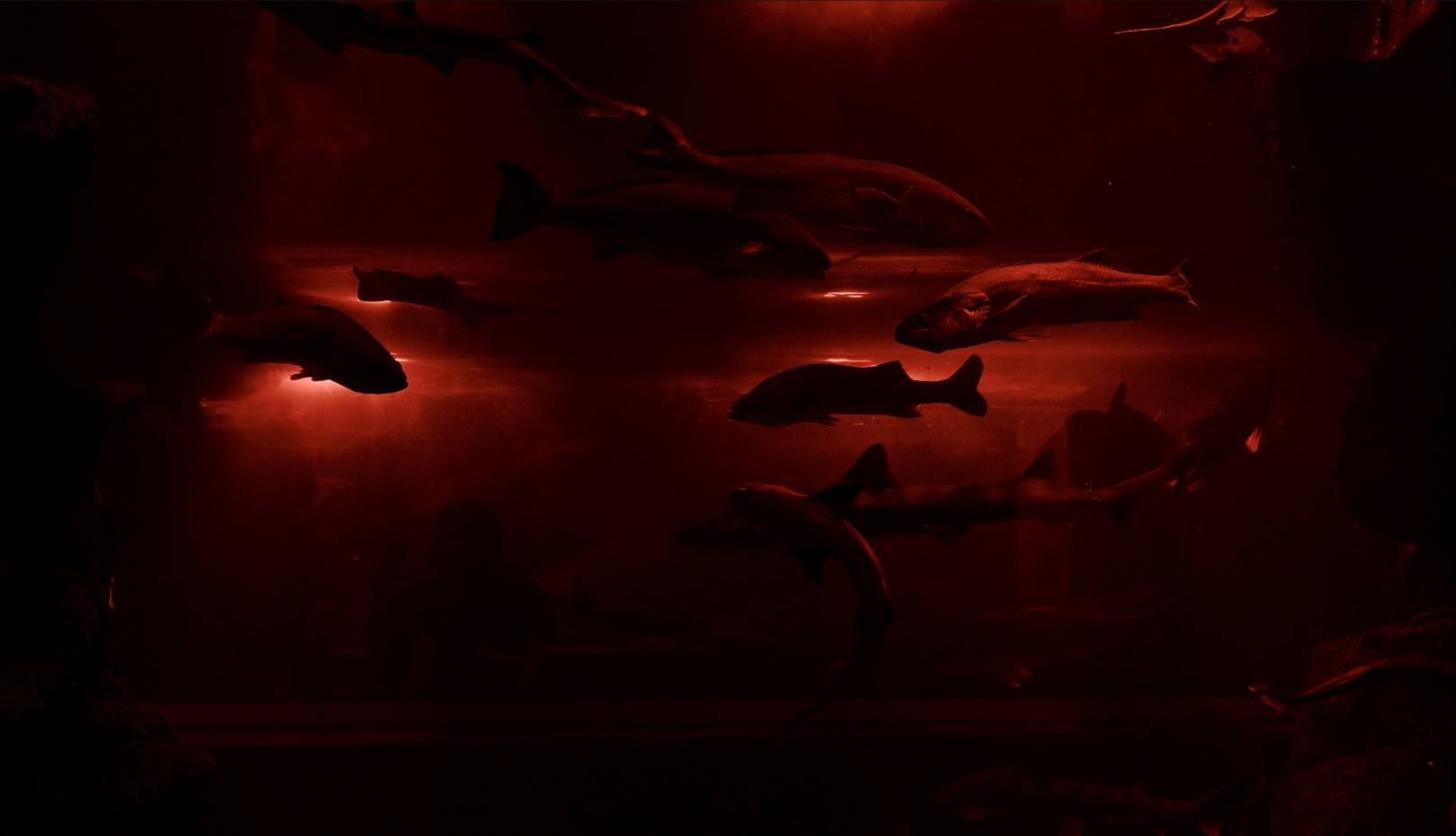
A grotesque robotic fish, its skeletal frame exposed, creaks through the water among living fish. Korean modern history has been marked by tragedy born of the desire to distinguish real from false, friend from enemy, and to identify and eliminate those placed on the other side. Red Wave follows the sea between Yeosu and Busan, summoning memories of the Yeosu–Suncheon Incident and the Bodo League massacres.
Red and blue are not opposing colors that neatly divide political ideologies, but two ways of seeing the same sea. To some, it is simply blue nature; to others, a place saturated with traces of blood. By superimposing these perspectives within a single frame, the film creates a public sphere where memory and forgetting intersect. Memories submerged beneath the water are carried back to shore again and again by the waves.
Through the voices and letters of faceless victims and fragments of archival records, the film reaches toward spirits unable to depart even in death. Park Geumman's paintings, Lee Inyoung's ritual offering of tea, and the sound of waves captured by No Sooncheon become artistic practices that call the disappeared back into the present. Humbly confronting the irreversible weight of history while continuing to approach its elusive truth, these artists carry forward a sense of responsibility that remains urgent today. Holding together these memories and gestures of mourning, Red Wave plunges without hesitation into the rough waters where a turbulent history still surges.
DIRECTOR'S NOTE
Yeosu and Busan, coastal cities known for their beauty, are also the places where the director was born and raised. Beneath their waters lies a history of state violence. The Yeosu–Suncheon Incident began in 1948 when soldiers refused orders to suppress the Jeju April 3 Uprising, causing mass casualties during the government crackdown. The Bodo League massacres later spread nationwide during the Korean War. Moving between the two ports, the film follows the sea as a route linking massacre sites, erased lives, and memories without records or photographs, connecting past and present, chance and inevitability.
CONTACT
JANG yerim | jyr5016@naver.com