SYNOPSIS
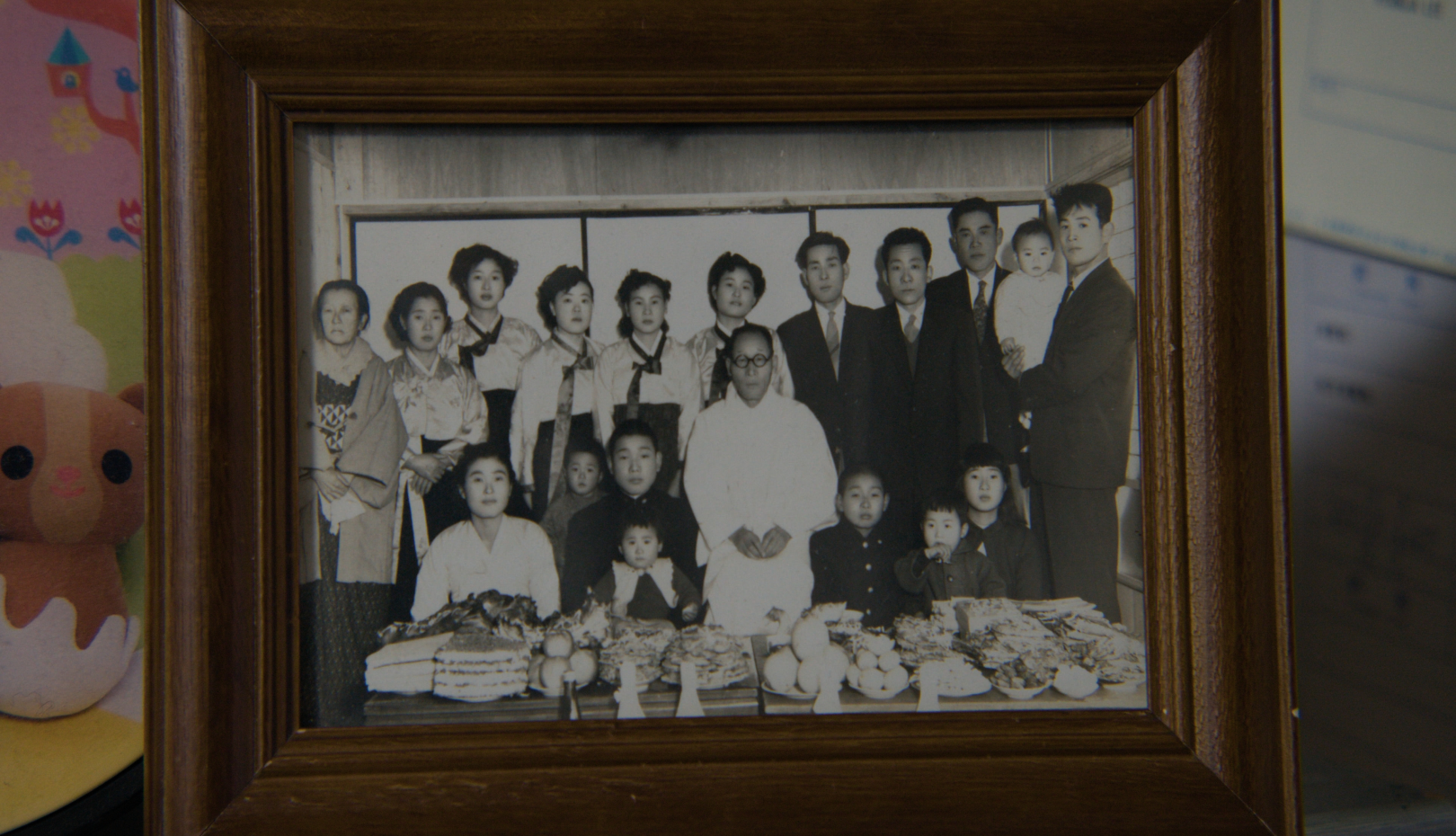
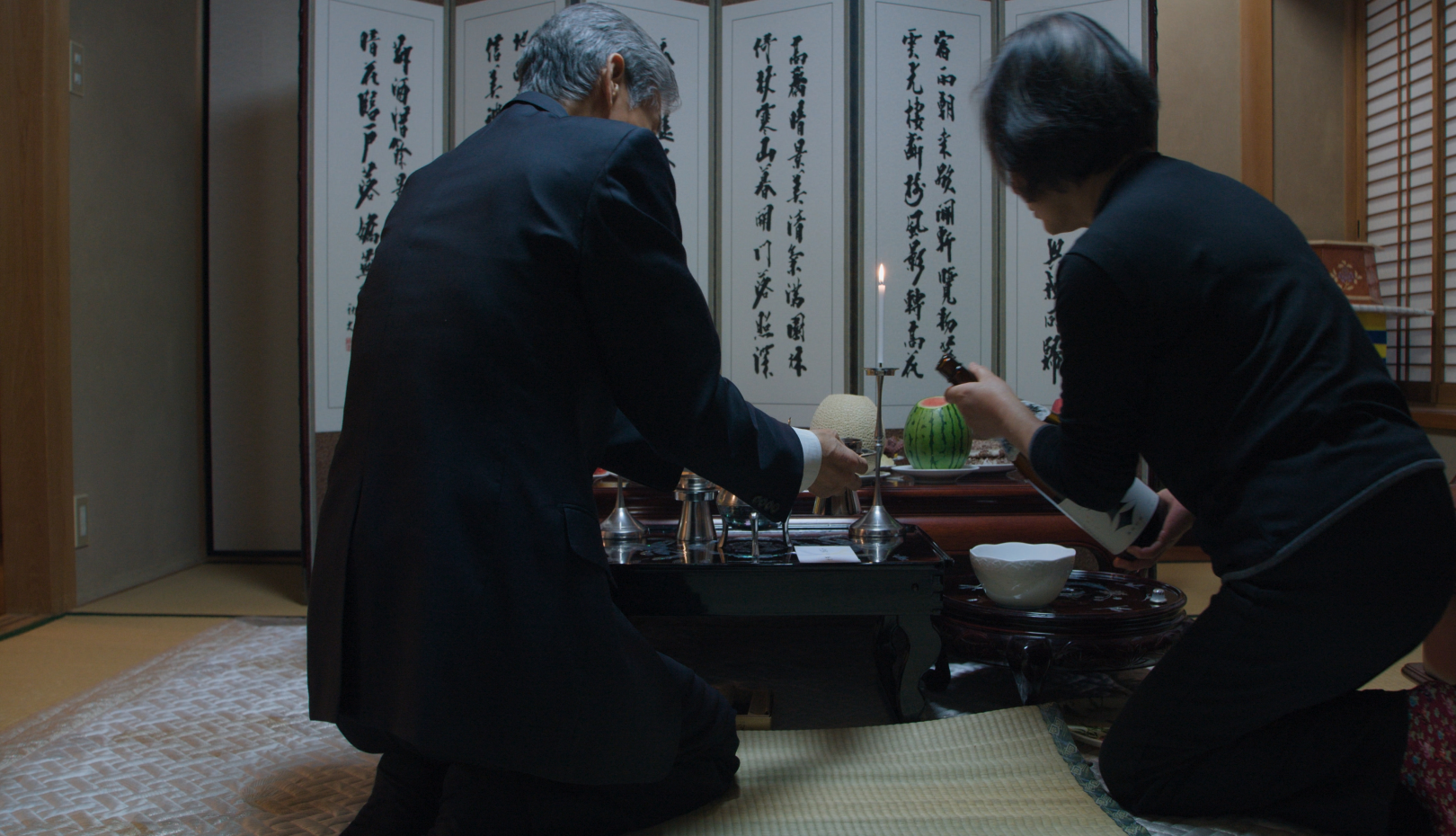
In a quiet Japanese town, Lee Hyang-ja observes the ancestral rites of her husband’s Zainichi Korean family. Behind her devotion lies an erased maternal history. Her mother, Chun-ja, was separated from her birth mother at seven and eventually forgot even her name. Determined to recover her lost grandmother’s name, Hyang-ja travels to South Korea. There, she confronts a hidden truth and realizes that she stands at the heart of the tradition that has enforced this silence across generations.
REVIEW
Two women cross a border in search of a forgotten name. Piljo—the name found on a gravestone—belongs to a woman erased so that she would neither be recorded nor remembered. Hidden beneath tradition and taboo, the name is finally recovered by another woman of the same bloodline, while their journey reveals how it was gradually transformed into silence across generations and family history.
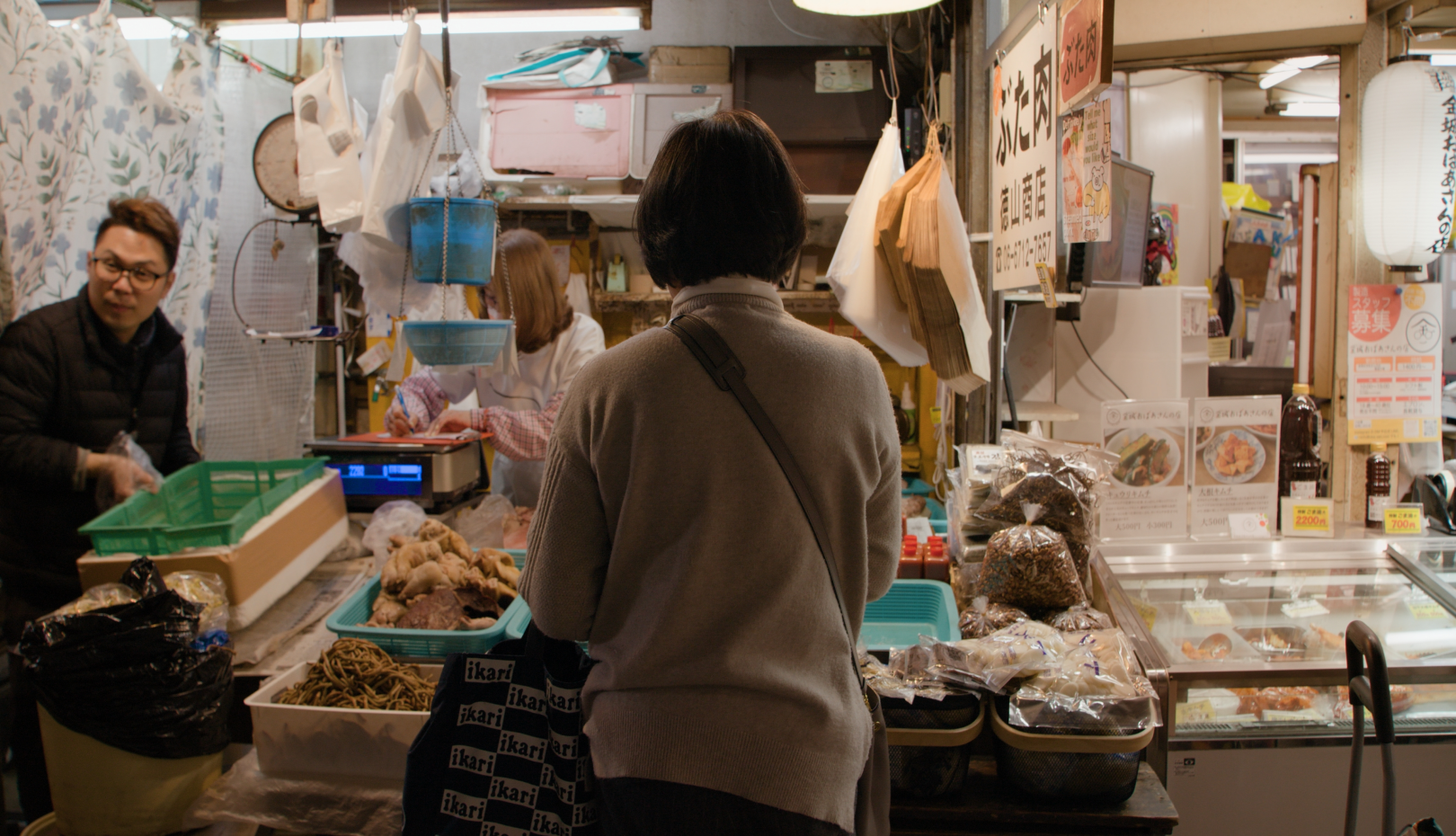
The film’s questions emerge from a Zainichi Korean family in Japan, where performing ancestral rites for the husband’s family has long been taken for granted. The filmmaker asks her grandmother, whose memory is fading, for the name of her maternal great-grandmother; talks with her sisters at a family rite about their childhood dreams; and accompanies her mother, who leaves home for a week for the first time in her life, on a journey to recover that name. Along the way, she witnesses what society has historically denied women. Growing up watching their mothers, women absorb oppression almost like air, living by denying or attempting to overcome the contradictions it produces within them. Rather than simply breaking with the repeated trajectories of patriarchal life, Piljo chooses to speak aloud the unrecorded names and lives of women and to seek them out directly. With a tender gaze, the film opens cracks within an internalized structure, calling back what was meant to disappear and allowing each woman to speak her own “name” again.
DIRECTOR'S NOTE
Chesa honors only the father's ancestors—that is simply how it's done, and no one questions it. That is what first made me feel the grotesqueness of the jokbo: how completely my mother's grandmother could vanish from the record.
Filming didn't resolve that. My mother, shaped by the same system, still passes it forward—still does the housework alone, every day. I wanted the film to at least ask the question aloud.
In Korea, I needed to find one person who remembered her. Making this film, and traveling there with my mother, was a kind of mourning.
CONTACT
KIM Minsu | minsukim420@gmail.com