SYNOPSIS
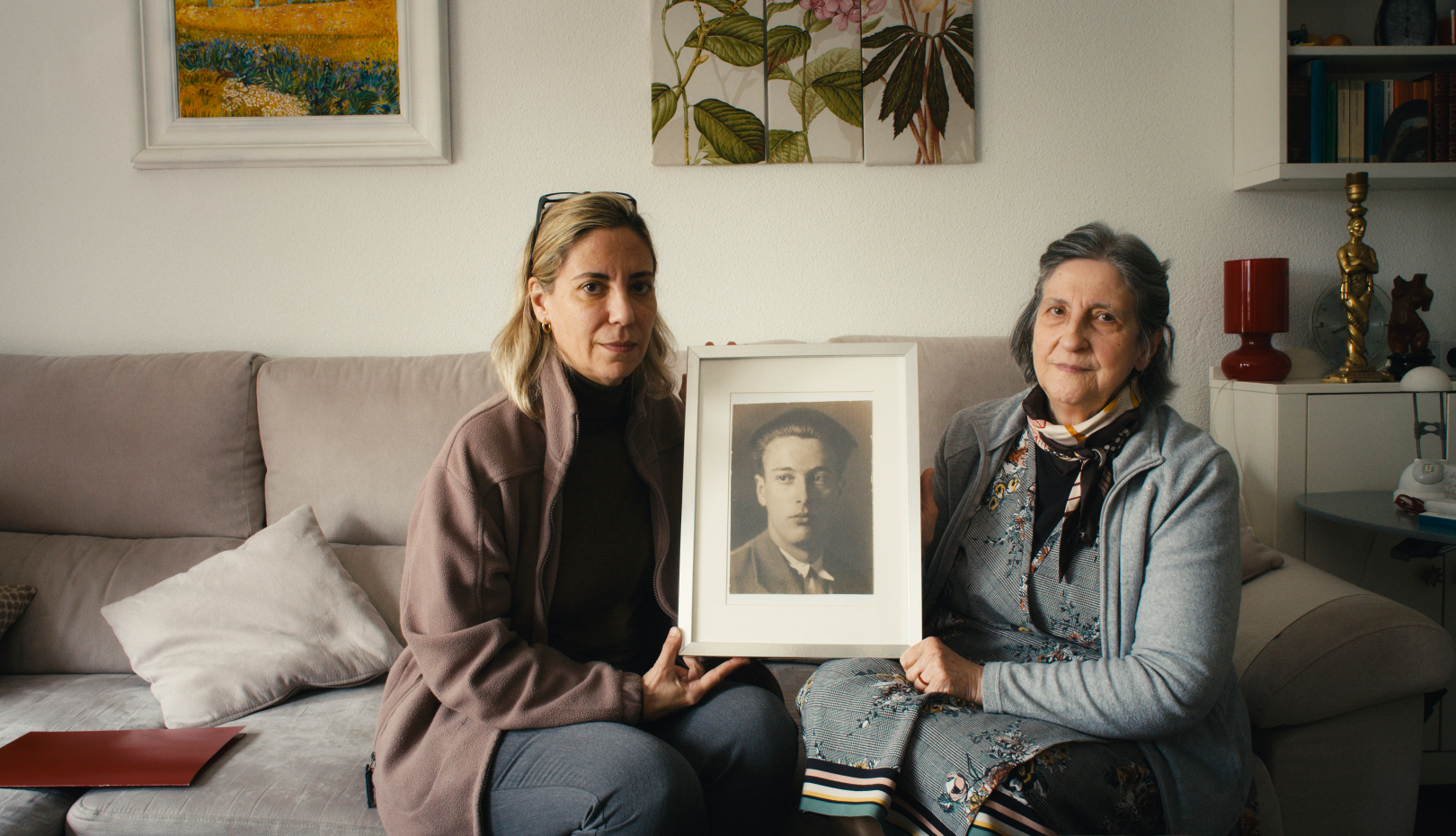
After 80 years of silence, new forensic technologies help a group of families reconstruct the fate of their parents, whose bodies were stolen and secretly taken to their executioners' mausoleum.
REVIEW
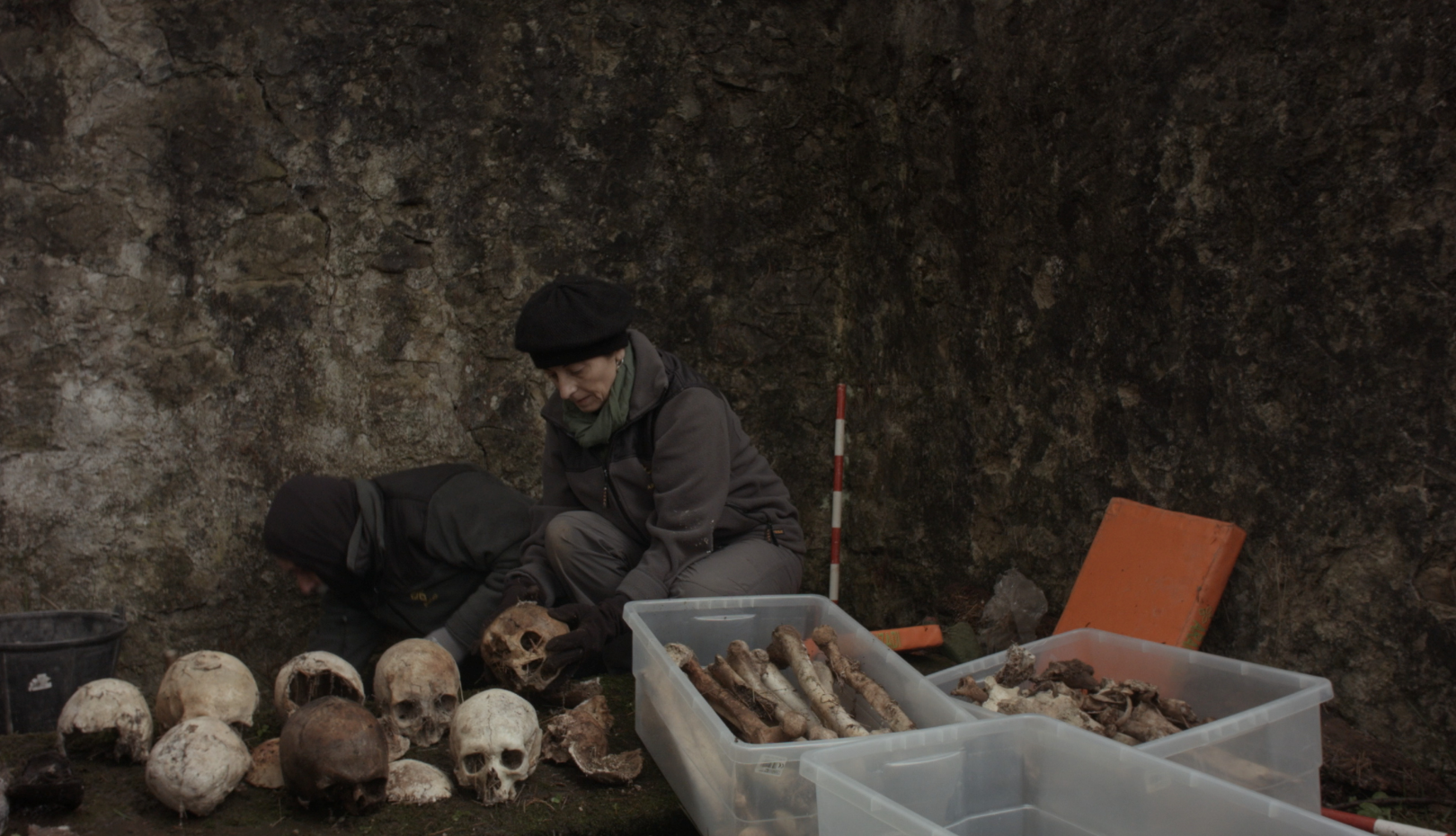
The film follows families searching for the remains of relatives who disappeared under Franco’s regime. Over more than two decades, the dictatorship secretly exhumed and transferred more than 33,000 unidentified bodies from mass graves across Spain to a vast mausoleum commemorating Francoist victory. Atlas of Disappearance traces these concealed routes across both time and space. It layers three historical periods: the Spanish Civil War beginning in 1936, the dictatorship and clandestine transfers of remains between 1959 and 1981, and the families’ continuing struggle today to recover their dead.
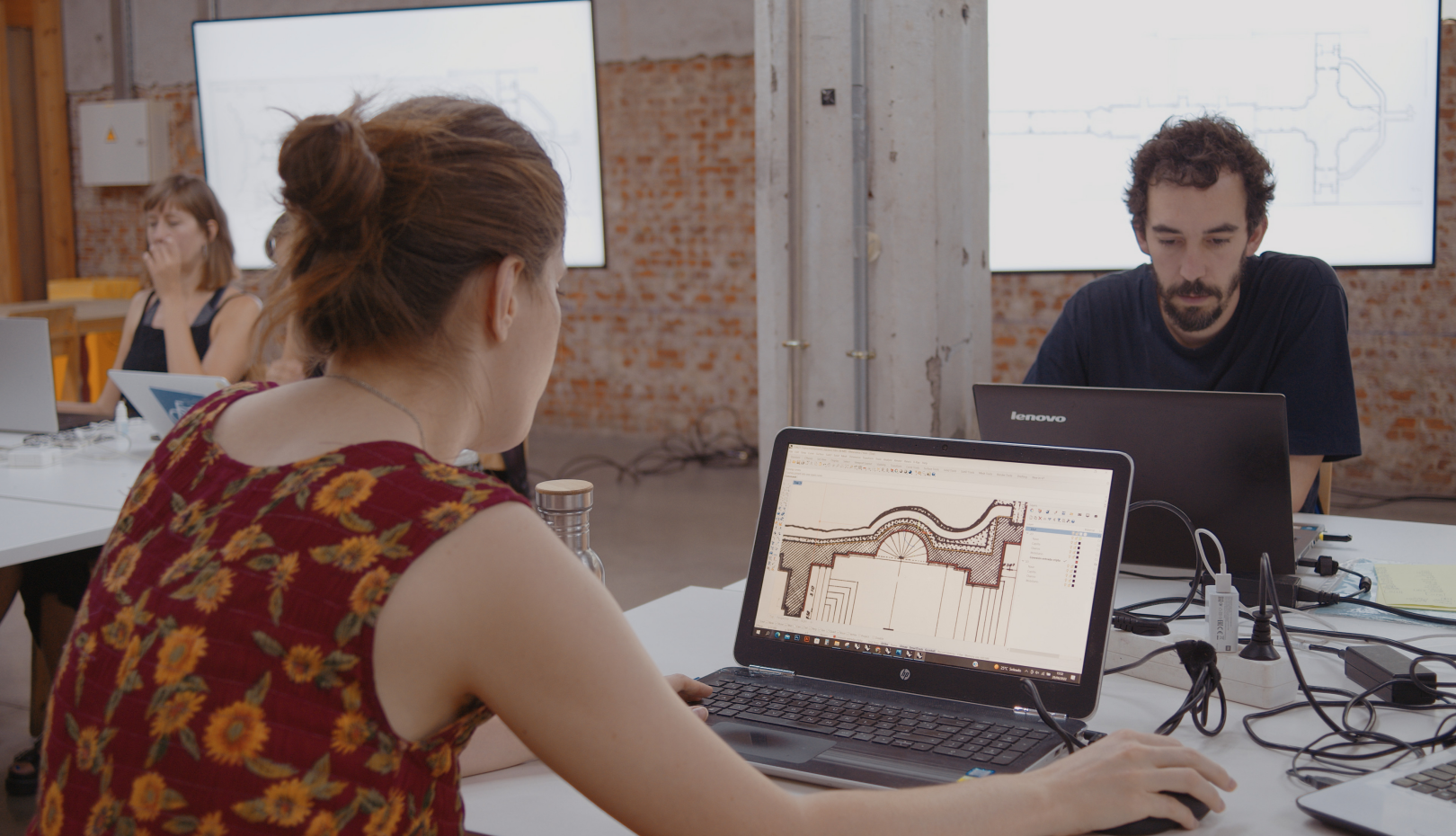
Drawing on a multidisciplinary investigation reminiscent of Forensic Architecture, the film combines maps and documents, architectural 3D models, and family testimonies to “re-locate” bodies that had been made to disappear. Rather than merely denouncing past crimes, it calmly examines how the state absorbs the missing into its own version of history. The dead are seemingly commemorated, yet their deaths remain subject to political control; monuments that appear to be places of mourning become instruments for redistributing power. By exposing the concealment and absurdities that persist into the present, the film reveals an “order of forgetting” never fully dismantled after democratization. It is an attempt to read the map of the disappeared backward—and thereby read it correctly.
DIRECTOR'S NOTE
Atlas of Disappearance responds to a long-standing effort to obscure the violence of the Franco regime through silence, bureaucracy, and institutional resistance. Despite recent legislative advances, exhumation projects remain paralyzed, leaving families—some now in their third or fourth generation—without answers, without graves, and without closure.
CONTACT
Ferak Agency | Vanesa TOCA | internacional@agenciafreak.com